
The Materialist Fallacy
For a decade, the battery industry has been obsessed with the search for a miracle chemistry. The narrative focuses on the next anode or a cleaner electrolyte. This is a distraction. The actual frontier is moving toward the mechanical and the geopolitical. We are seeing a transition where the physical management of existing materials outweighs the discovery of new ones.
Consider the recent findings from the University of Cambridge. While others tweak chemical formulas, researchers found that maintaining constant, optimal physical pressure on battery cells can potentially double their operational life. The degradation isn't just a chemical failure; it is a mechanical one. The cyclical physical deformation—a breathing motion—stresses the materials. Solving this through physical pressure rather than chemical additives is a pragmatic victory over theoretical complexity.
"Maintaining a constant, optimal physical pressure on the battery cells can potentially double their operational life, a feat rarely achieved by traditional tweaks in battery chemistry or materials science."— University of Cambridge Research
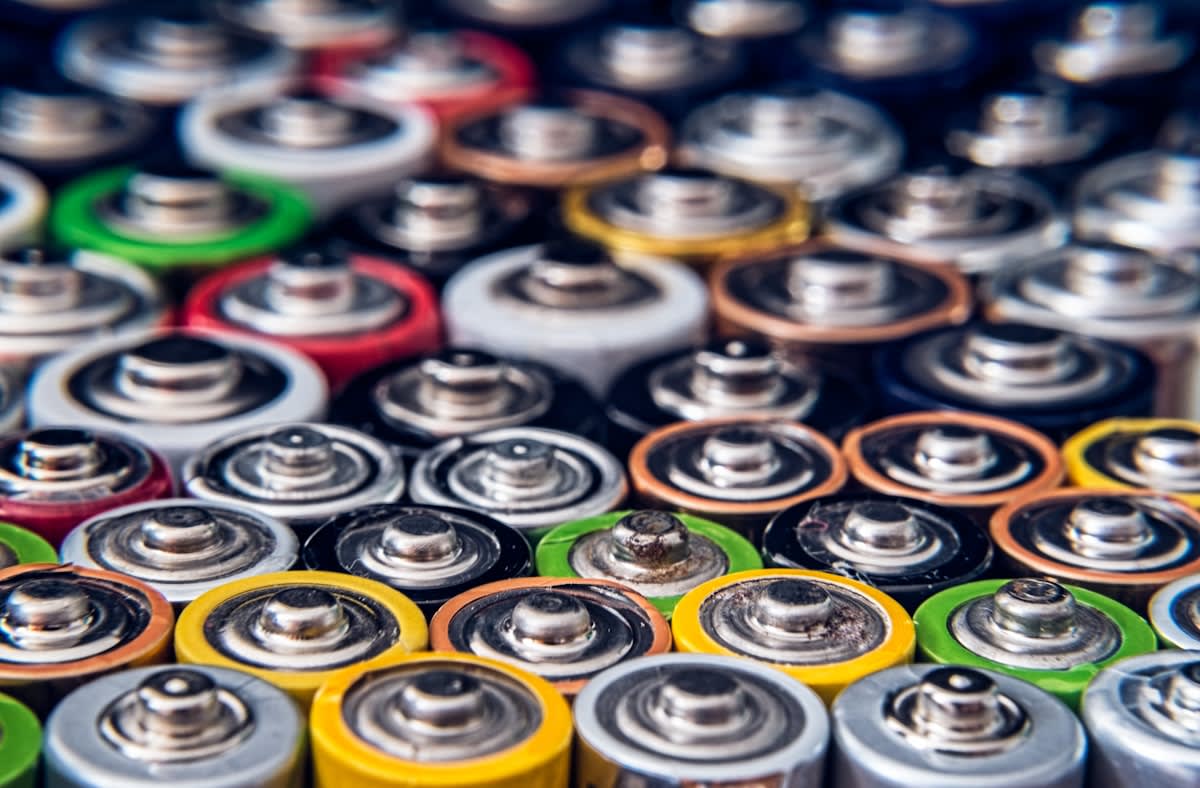
This mechanical insight renders the current obsession with 'next-gen' materials secondary to how we house and compress the cells we already have. It is a return to fundamental engineering.
The Sovereignty Imperative
The technical battle is mirrored by a geopolitical one. Europe is currently waking up to its own vulnerability. The European Initiative for Energy Security (EIES), T&E, and RECHARGE are now calling for a more assertive Made in EU strategy via the Industrial Accelerator Act. They recognize that batteries are not just for cars; they are the bedrock for grid stability, defense, and medical tech.
Strategic Warning
The window of opportunity to secure the strategic value chain in Europe is closing. Without targeted support, the region risks becoming a mere consumer of foreign technology rather than a producer.
While Europe debates policy, others are executing. In Canada, Elevra Lithium has already broken ground on its North American expansion in Québec following a $275 million capital raise. Their focus isn't just on volume, but on traceability and transparency—the two currencies of the new industrial order.
| Region | Strategic Lever | Key Driver/Metric | Primary Objective |
|---|---|---|---|
| European Union | Industrial Accelerator Act | Made in EU Strategy | Industrial Leadership & Security |
| Canada | Capital Expansion | $275 Million Investment | Traceable Lithium Supply |
| India/China | Bilateral Supply Agreements | 3 GWh LFP Agreement | Supply Chain Stability |
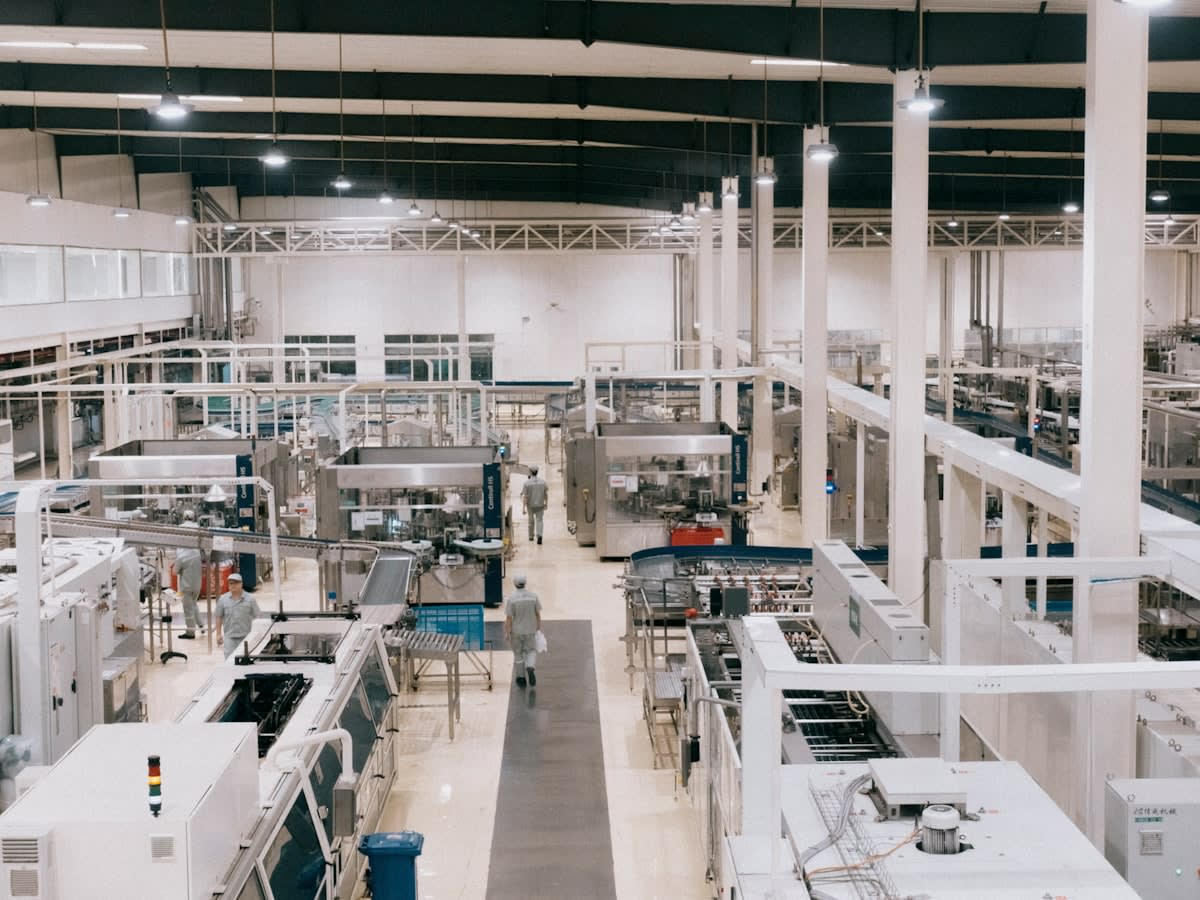
The scale of these movements is evident in the East. Lineage Power, a subsidiary of Pace Digitek, recently secured a Master Supply Agreement with Guangzhou Rongjie Energy Technology for 3 GWh of Lithium Iron Phosphate (LFP) battery cells. This isn't a tentative partnership; it is a massive infrastructure play to ensure long-term stability for energy storage projects.
The Ecology of Industrial Turnover
We must also question the cost of this expansion. A study published in Nature analyzed 50 million enterprise records across 6,638 protected areas in China from 2000 to 2020. The data reveals a paradoxical result: stricter protected area policies actually coincided with higher industrial turnover. Rather than simple exclusion, the regions moved toward a dynamic equilibrium.
This suggests that the ability to restructure industry on the fly is as important as the industry itself. The winners of the battery race will not be those who simply build the biggest factories, but those who can align ecological sustainability with local livelihoods without killing economic momentum.
The real story is the convergence of physical engineering and geopolitical realism. The winners are ignoring the hype of 'magic' materials and are instead focusing on how to squeeze a battery and how to secure the dirt it comes from.