Survival Prerequisites
Capital is the baseline. Money rarely solves bureaucracy. Liquid assets provide the shield, but local knowledge provides the sword. Few operators survive the transition from planning to production without a stomach for systemic friction.
- Deep liquidity to withstand permitting delays in Minas Gerais
- ANVISA GMP certification for biologics commercialization
- US-based manufacturing footprints to bypass domestic sourcing mandates
- Access to the 525.1 billion reais earmarked for large-scale agricultural financing
The Agricultural Funding Gap
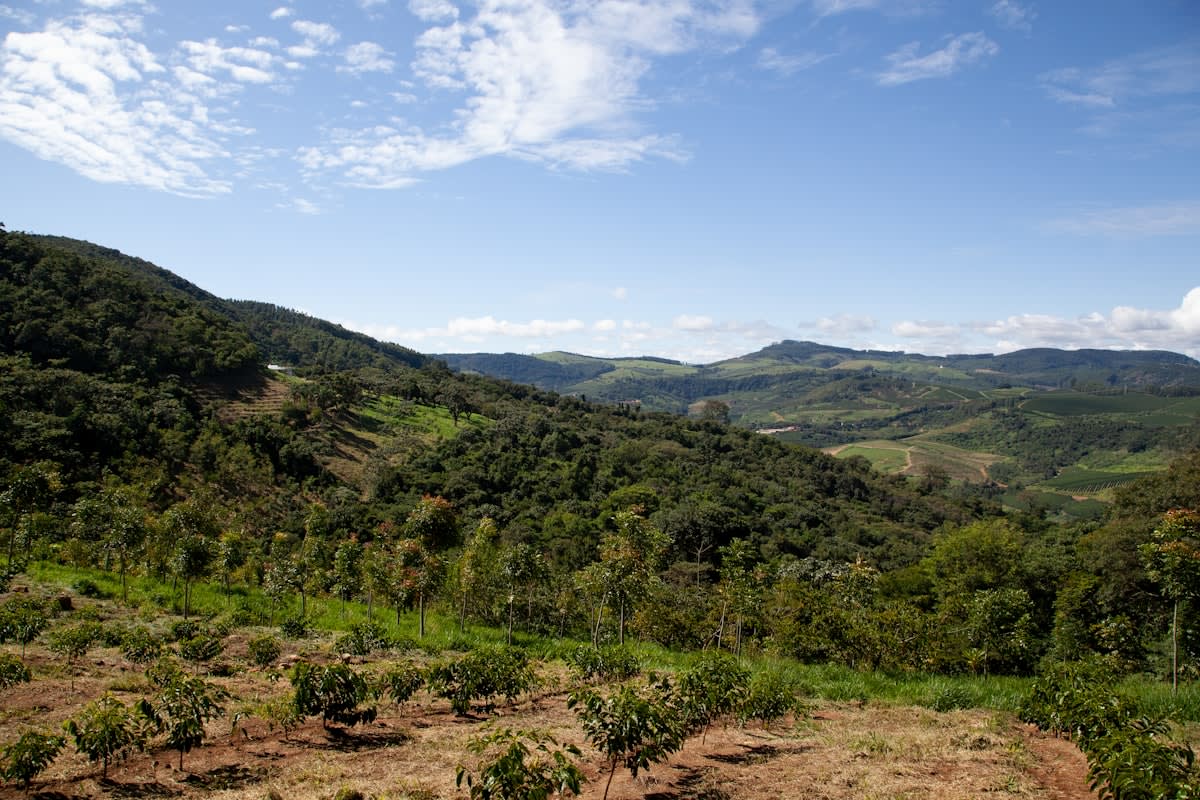
Brazil’s 2026/27 Safra Plan allocates up to 610 billion reais. The agricultural sector demanded 674 billion. This deficit forces medium-scale farmers to fight for crumbs. Large-scale operations secure the lion's share, specifically 525.1 billion reais, leaving smaller players to gamble on private credit.
| Metric | Safra Plan 2026/27 Value |
|---|---|
| Total Allocation (Max) | 610 billion reais ($117.91 billion) |
| Large/Medium Farmer Financing | 525.1 billion reais |
| Sector Demand (Upper Bound) | 674 billion reais |
Funding is a tool. It fails when the bureaucracy freezes. Credit availability does not equal operational efficiency.
Rare Earth Extraction Realities
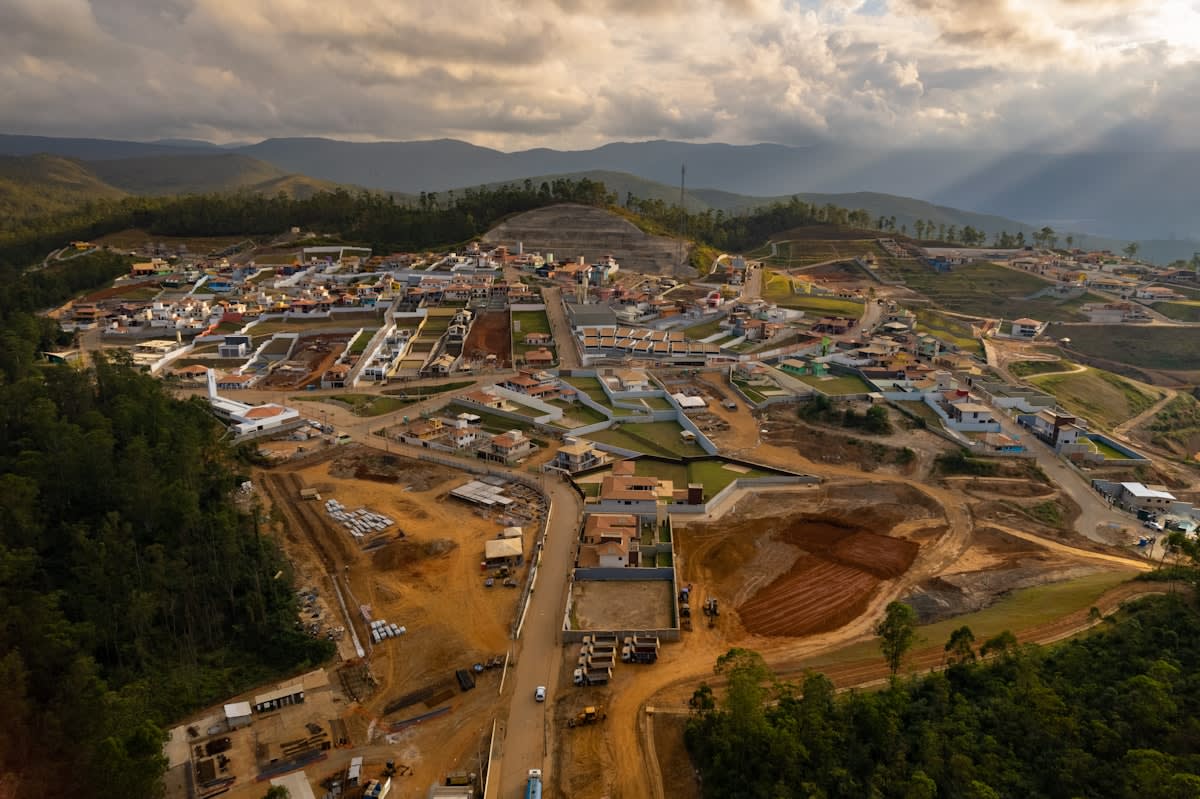
Minas Gerais contains the world's second-largest rare earth resource base. Ionic clay projects like Colossus are the current target for Western supply chains. Permitting remains a nightmare. International partnerships provide the only viable path to downstream processing.
- Secure land rights for ionic clay deposits
- Establish downstream processing partnerships to avoid exporting raw ore
- Navigate the permitting gauntlet in Minas Gerais
- Lock in Western financing to decouple from Chinese supply chain dominance
The Processing Trap
The biggest failure point in rare earth scaling is not the extraction; it is the processing. Without a refinery, you are just digging a hole in the ground for someone else to profit from.
Infrastructure gaps define the timeline. Logistics in rural Brazil move slower than the capital that funds them.
Moving Production North
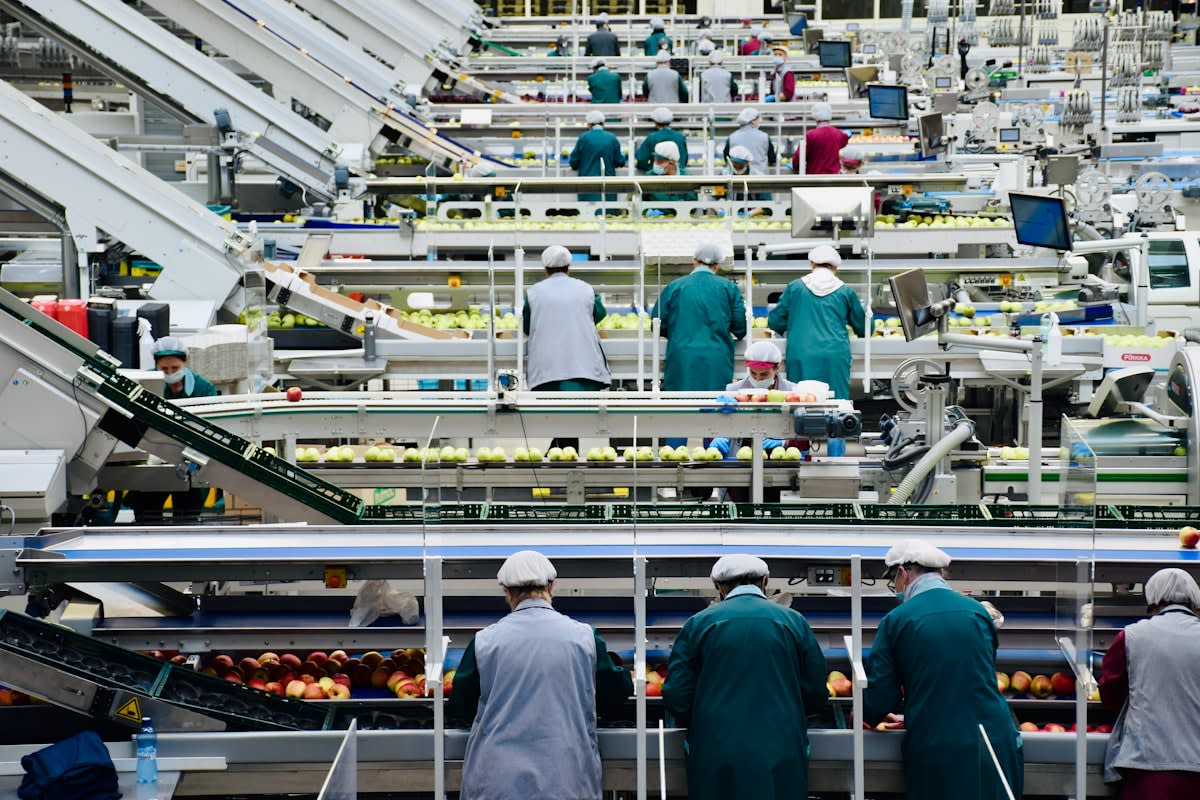
Bauducco dropped $200 million on a Florida facility. Zephyrhills serves as a hedge against US retailers demanding domestic sourcing. A 160,000-square-foot plant reduces lead times. Domestic production is a survival requirement, not a strategic choice.
Regulatory Minefields
WuXi Biologics fought for ANVISA GMP certification. Cancer immunotherapy requires this specific regulatory stamp for commercial manufacturing. Meanwhile, the CPSC is tightening the leash on lithium-ion batteries. Compliance is a binary outcome: you are in the market or you are bankrupt.
- Audit facility standards against ANVISA GMP requirements
- Map drug substance and drug product packaging centers to regulatory zones
- Review CPSC lithium-ion battery safety mandates for micromobility products
- Verify domestic sourcing percentages for US retail compliance
Common Pitfalls
Overestimating the speed of permitting is the most common error. Operators assume a 12-month timeline and get hit with a 36-month reality. Relying on a single regulatory path is suicide. Diversifying production sites, as seen with Bauducco's move to Florida, is the only way to mitigate geopolitical risk.