
The Fragmentation Play
Capital is bored. This hunger seeks the edges. Look at QXO paying $17.3 billion for a roofing firm on June 29, 2026. Such a bet relies on a market where the top three players control less than 4% of a $92.5 billion sector.
| Sector | Estimated Market Size (2026) | Concentration (Top 3) | Primary Risk Driver |
|---|---|---|---|
| Roofing Contractors | $92.5 Billion | < 4% | Extreme Fragmentation |
| Industrial Real Estate | N/A | High | USMCA Trade Shocks |
| Orbital Data Centers | N/A | Low | Space Management/Debris |
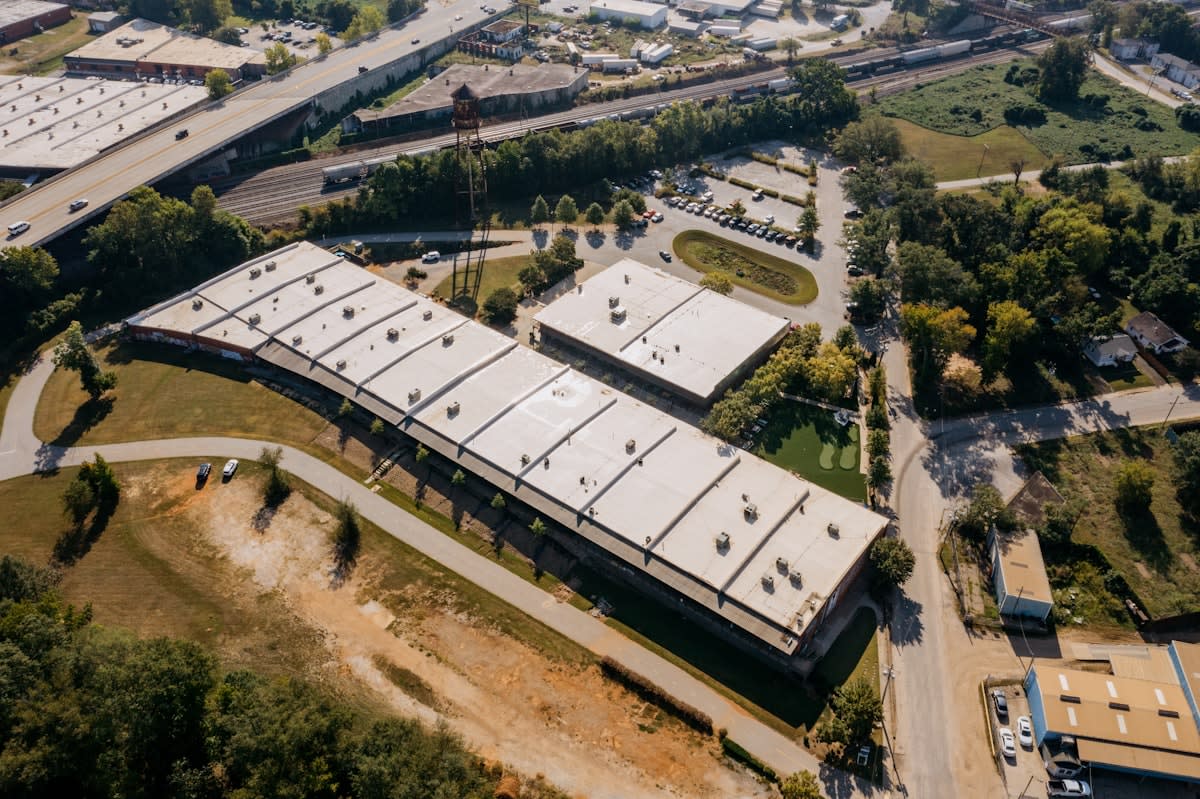
Trade shocks create voids. USMCA volatility reported July 1, 2026, forces a rethink of industrial real estate. Contrast the rigid zoning laws in Rotterdam with the sudden instability of North American logistics hubs. Efficiency is a lie when trade agreements dissolve.
The Orbital Escape
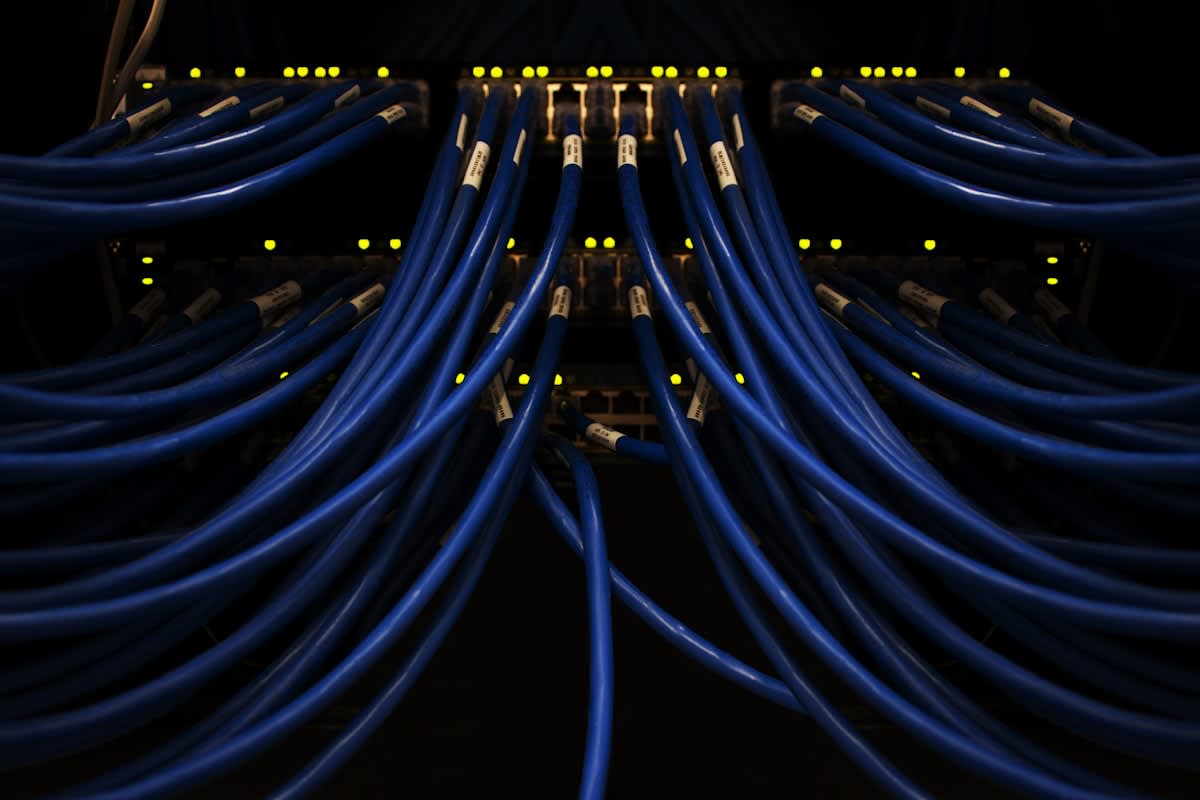
Earth is too crowded. Orbital plans for 100,000 data centers emerged June 30, 2026. These systems rely on optical intersatellite links to bypass terrestrial bottlenecks. Physical distance is the new firewall.
"the question is really, how are we going to start sorting this out from a space management standpoint in space?"— Orbital Datacenter System Founder
Management is the only moat. UK businesses face massive rate gaps in energy procurement as of July 2, 2026. Passivity acts as a tax paid to suppliers. Active engagement is the only way to avoid the rollover penalty.
Regulatory Hand-offs
Government failures are outsourced. NASA transferred its Digital Flight Rerouting Capability to the FAA on June 30, 2026. Simultaneously, Nav Canada joined the SESAR 3 research partnership. Public infrastructure is now a series of hand-offs.
The Arbitrage Logic
The physics of the problem is simple: ground-based assets are subject to zoning, trade wars, and energy spikes. Orbital and fragmented assets offer a hedge against these terrestrial failures.