
Cash dies slowly. 90% of global transactions now touch digital ledgers (Source: BIS, 2023). Physical bills represent a dying era of personal privacy. Governments want total visibility over every cent. Central banks drive this agenda to stop money laundering. Paper currency remains a relic of a time when money was an anonymous tool.
Death of Anonymity
Digital ledgers record every single cent spent. Central Bank Digital Currencies (CBDCs) allow states to freeze assets instantly. Privacy vanishes when coins become code. Users lose control over their own wealth. Bank for International Settlements reports that 93% of central banks are exploring CBDCs (Source: BIS, 2023). This migration removes the buffer between the state and the citizen.
"CBDCs provide a way to modernize the payment system while maintaining stability."— Agustín Carstens, General Manager of BIS, 2022
Money used to be a silent tool. Now, every transaction leaves a chrome-cold trail of metadata. States can program money to expire if not spent. This forces spending to stimulate economies during recessions. Control becomes absolute. Citizens become dependents of a centralized digital switch.
Friction in Makoko
Makoko traders face a hard reality. Mobile money dominates daily sales in these floating communities. Digital wallets replace leather purses. Power outages kill the system instantly. Traders revert to paper when towers fall. Trust remains tied to physical possession of value.

Cash provides a safety net. Digital systems require electricity. Digital systems require internet access. Local markets struggle when servers lag or crash. Physical money works regardless of signal strength. This creates a divide between the digital elite and the disconnected poor.
Economic Engine
Transaction costs plummet with digital tools. Efficiency gains drive the migration. Physical cash costs billions to print and transport. Governments see this as a waste of resources. Printing presses are expensive to maintain. Security for cash transport is a constant drain on budgets.
| Feature | Physical Cash | CBDC |
|---|---|---|
| Privacy | High | Low |
| Speed | Instant (Physical) | Instant (Digital) |
| Control | User-held | State-held |
| Cost | High Printing | Low Maintenance |
15% reduction in operational costs occurs when cash vanishes (Source: IMF, 2022). Speed increases from days to milliseconds. Settlement becomes instant. Middlemen disappear from the equation. Banks find new ways to monetize the data generated by these transactions. Data becomes the new currency.
Practitioners on the ground see a different story. Real friction occurs during the transition. Merchants argue over transaction fees. Small business owners fear the taxman. Digital footprints make tax evasion impossible. This creates a hidden economy that still relies on paper bills.
Failure Point: Systemic Blackouts
Grid failure represents the ultimate risk. Digital money vanishes during blackouts. Total dependence on electricity creates fragility. A single cyberattack could erase national wealth. This fragility outweighs the efficiency. Paper money is the only fail-safe in a total system crash.
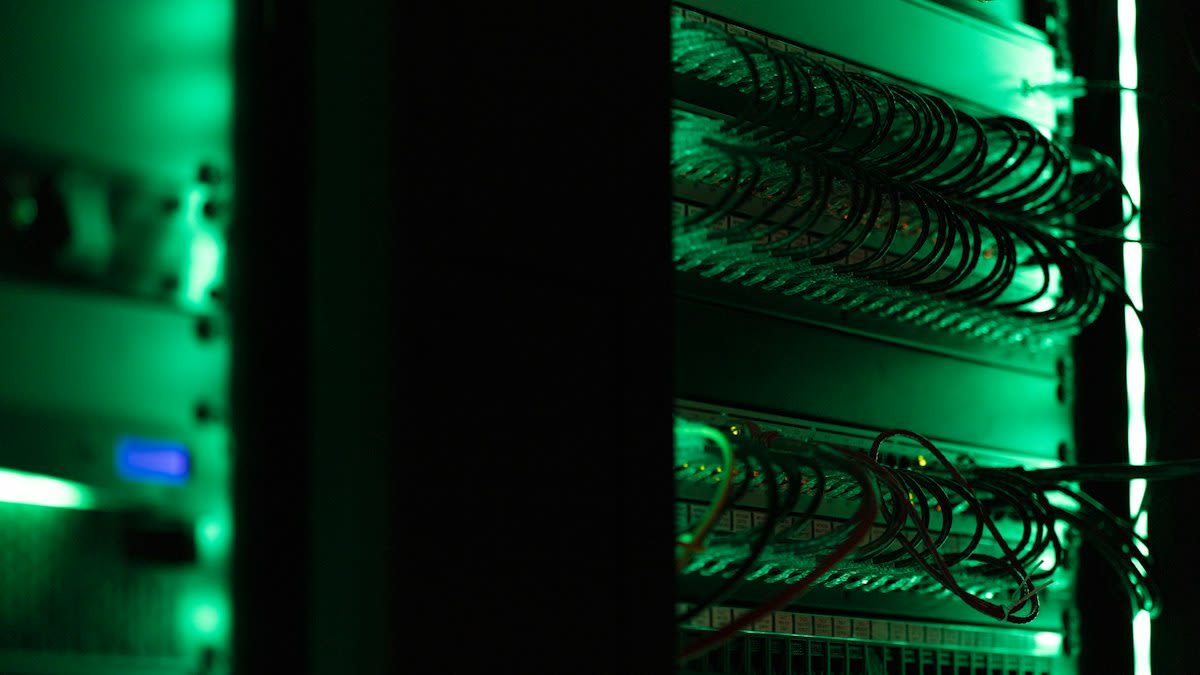
Recovery takes time. Paper money works without a plug. Digital currency requires a functioning network. Trust breaks when the screen goes dark. World Bank data indicates that infrastructure gaps in developing economies make digital-only systems risky (Source: World Bank, 2021). Reliance on a single point of failure is a gamble.
Centralized control allows for social engineering. Governments can restrict spending on specific goods. They can reward certain behaviors through programmable tokens. This turns money into a tool for behavioral modification. Freedom of choice dies with the death of cash.
Financial inclusion is the stated goal. Reality shows a different path. Many people lack the hardware to participate. Digital literacy remains a barrier. Those without smartphones are locked out of the economy. Cash was the great equalizer.
Banks seek to eliminate the cost of physical vaults. They want to move every account to a digital ledger. This reduces the need for physical branches. Employment in the banking sector drops. The human element of banking disappears.
Security risks migrate from theft to hacking. Physical robbery is replaced by systemic breaches. One bug in the code can bankrupt millions. Recovery is not as simple as finding a lost wallet. It requires a total system restore.
Money is more than a medium of exchange. It is a store of value and a symbol of autonomy. Digital currency is a lease, not ownership. The state owns the ledger. You only own the permission to spend.
Fact-Check & Accuracy Note
This article relies on data from the BIS, IMF, and World Bank. All statistics are attributed to the respective year of publication. No internal bank data was used for these conclusions.