All About Samarthak, First Multi-Purpose 'Make in India' Warship
Source Entity
NDTV News Search Records Found 1000
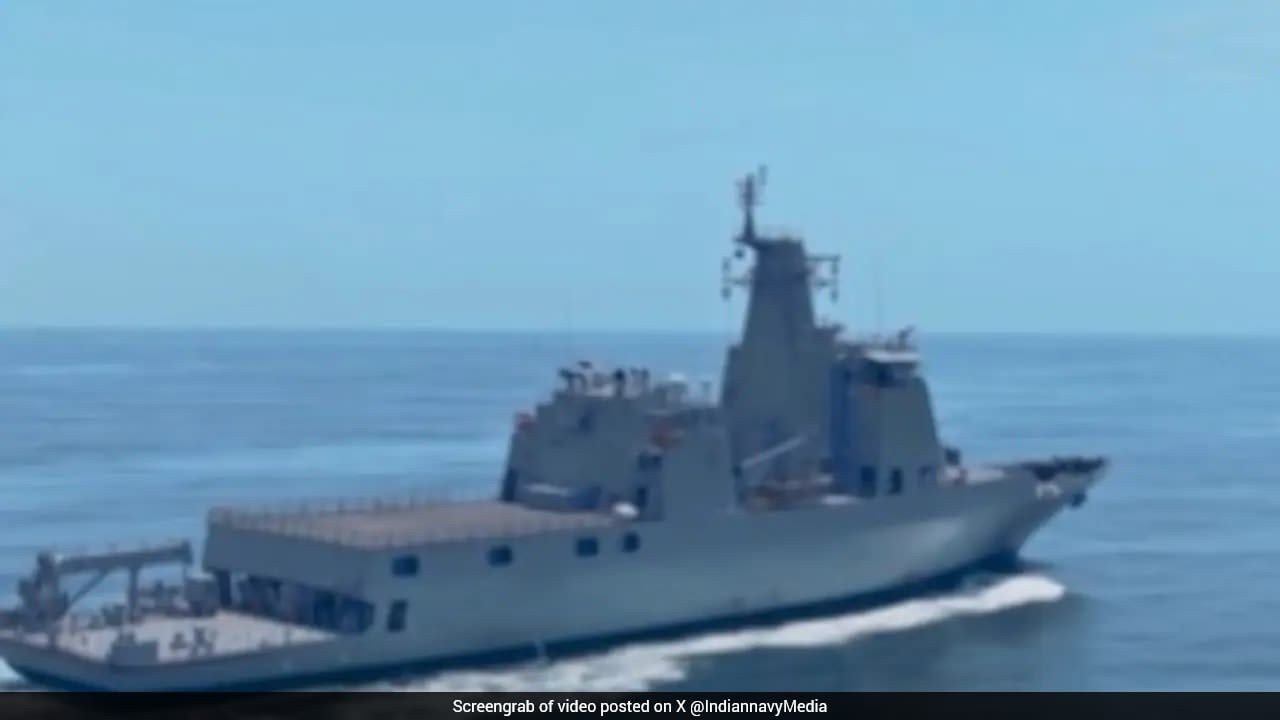
The Indian Navy has commissioned INS Samarthak, the first of its kind multi-purpose vessel built by Larsen & Toubro. This indigenous platform is designed for maritime surveillance, weapon testing, and humanitarian support, marking a shift toward private sector involvement in naval defense.
The Commissioning of INS Samarthak: A Milestone for Indigenous Defense
The commissioning of INS Samarthak at the Karwar naval base represents a transformative moment in India’s maritime history. As the first of its class of multi-purpose vessels, this ship is not merely a tactical asset but a strategic testbed designed to bolster the Indian Navy's operational readiness. Presided over by Vice-President C.P. Radhakrishnan, the induction ceremony underscores the government's commitment to self-reliance in defense production, specifically through the 'Make in India' initiative.
Empowering the Private Sector
Developed by Larsen & Toubro (L&T), the INS Samarthak signifies a pivotal shift in the nation's shipbuilding ecosystem. Historically, naval construction was largely the domain of public sector shipyards. By entrusting the construction of these complex vessels to a private entity, the Indian Navy is fostering a more robust, competitive, and innovative defense industrial base. The fact that the vessel incorporates over 75% indigenous content highlights the success of local design and engineering capabilities.
A Versatile Platform for Modern Warfare
INS Samarthak is engineered to be a multi-functional powerhouse. Beyond traditional combat roles, it is specifically configured to serve as a testbed for indigenously developed sensors and weapon systems. In an era where maritime security environments are rapidly evolving, the ability to rapidly integrate and validate new technologies at sea is a critical force multiplier. This vessel provides the necessary platform to ensure that future naval hardware meets the rigorous demands of the Indian Ocean Region.
Expanding Humanitarian and Surveillance Roles
While its technological testing capabilities are paramount, the vessel is also designed for versatility. Its operational profile includes humanitarian assistance, disaster relief, and maritime surveillance. By integrating these diverse functions into a single platform, the Indian Navy gains the flexibility to respond to non-traditional threats, such as environmental disasters or illegal maritime activities, without diverting dedicated combat assets from their primary missions.
Strategic Implications and Future Trends
Looking ahead, the induction of INS Samarthak is likely to set a precedent for future procurement strategies. With more multi-purpose vessels expected to follow, the Navy is building a scalable framework that emphasizes indigenous innovation. This trend suggests that India is moving toward a future where its naval fleet is not only larger but also technologically sovereign, reducing dependence on foreign imports and securing its maritime interests with domestic ingenuity.
Conclusion
In summary, the commissioning of INS Samarthak is a significant achievement that bridges the gap between private manufacturing prowess and naval necessity. By blending high-end technological testing with essential humanitarian and surveillance capabilities, the Indian Navy has secured a versatile asset that reflects the nation's growing prowess in defense technology and its strategic vision for a secure and self-reliant maritime future.
Verification Required?