Herbicide paraquat dichloride, used for quicker ripening of green gram, banned in India; MP issues orders
Source Entity
Latest News: Todays Latest News Headlines from India & World | Hindustan Times | Hindustan Times
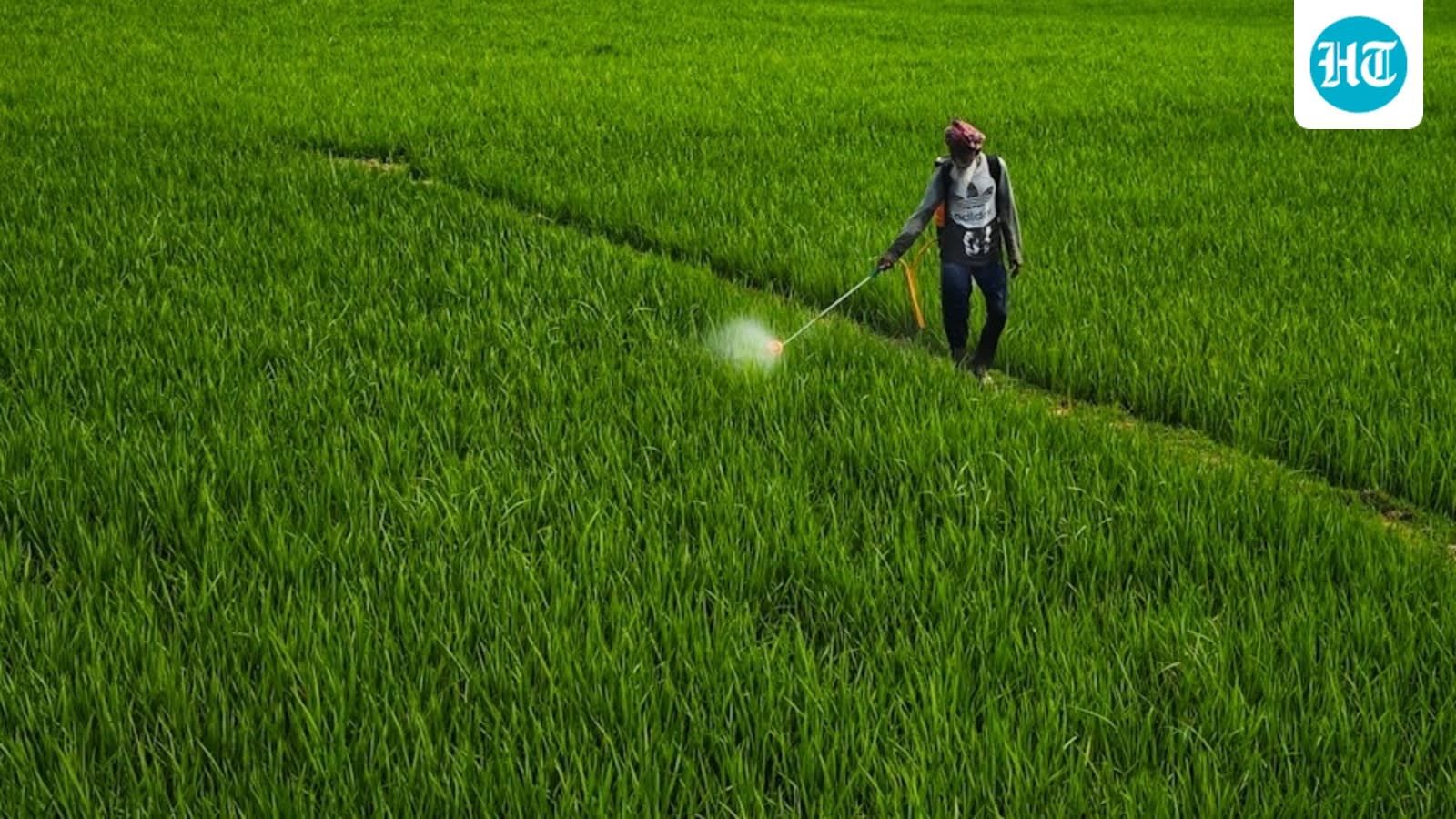
The Indian government has banned the herbicide paraquat dichloride, commonly misused to hasten the ripening of summer green gram. Madhya Pradesh officials have initiated strict enforcement measures, ordering the destruction of existing stocks and warning dealers of legal action.
The Crackdown on Paraquat Dichloride in Indian Agriculture
Regulatory Shift and Environmental Safety
The recent decision by the Central government of India to impose a ban on the herbicide paraquat dichloride marks a significant pivot in agricultural regulation. Historically, this chemical has been utilized by farmers as a desiccant, specifically to accelerate the maturation and ripening of summer green gram (moong dal). By forcing the crop to dry out prematurely, farmers could expedite harvesting cycles, particularly in regions where moong dal serves as a crucial third crop in the agricultural calendar.
Impact on Madhya Pradesh Agriculture
In Madhya Pradesh, the reliance on paraquat was particularly pronounced across 12 specific districts where the summer moong crop is a staple. The state government, acting under directives from the Union, has moved swiftly to operationalize this ban. Umashankar Bhargava, the director of the Madhya Pradesh agriculture department, has confirmed that the state is shifting from passive regulation to active enforcement, mandating that all existing stocks held by dealers and agricultural companies be destroyed using scientific disposal methods.
Enforcement and Accountability
The regulatory framework surrounding this ban is robust, with clear consequences for non-compliance. The state has signaled that it will not tolerate the continued circulation of the herbicide. Dealers and manufacturers are now under the direct scrutiny of the agriculture department, which has explicitly stated that legal action will be initiated against any entity found possessing or selling the substance. This serves as a deterrent against the black-market distribution of banned agrochemicals.
Farmer Education and Behavioral Change
A critical component of this transition is the education of the farming community. Because the use of paraquat was a common practice for operational efficiency, the government is tasked with ensuring farmers understand the rationale behind the ban and the risks associated with the chemical. By prohibiting farmers from using the remaining stocks, the state aims to transition the agricultural sector toward safer, more sustainable ripening practices that do not compromise crop integrity or environmental health.
Broader Implications for Sustainable Farming
This ban reflects a broader trend in Indian agricultural policy aimed at phasing out hazardous chemicals that may pose risks to soil health and human safety. By eliminating the shortcut of using herbicides for ripening, the government encourages a more natural growth cycle. This move is expected to improve the long-term quality of the pulse crop and align Indian farming practices with international standards regarding chemical residues in food products.
Conclusion and Future Outlook
The prohibition of paraquat dichloride is a decisive step toward safer food production in India. As Madhya Pradesh moves forward with the destruction of current stocks and the strict monitoring of dealers, the focus will remain on verifying compliance. The success of this policy will depend on the continued vigilance of the agriculture department and the successful adoption of safer alternatives by farmers during the upcoming summer crop seasons.
Verification Required?