
The Great Erasure
The monogram is dying. For decades, the luxury sector operated on a simple premise: visibility equals value. If the logo was large enough, the status was undeniable. But a systemic shift is underway. The world's wealthiest are no longer interested in being recognized by the masses; they are interested in being recognized by their peers. This is the birth of the IYKYK economy—a sophisticated pivot where the signal of wealth is intentionally muted to exclude the uninitiated.
Why now? The democratization of luxury killed the logo. When entry-level luxury goods—think logo tees and canvas bags—become accessible to the middle class via credit and resale markets, they cease to be markers of exclusivity. For the ultra-high-net-worth (UHNW) individual, a visible logo has transitioned from a badge of honor to a beacon for the 'aspirational' class. To maintain a social moat, the elite have moved the goalposts from price signaling to knowledge signaling (Source: Vogue Business, 2023).
The Mechanics of Inconspicuous Consumption
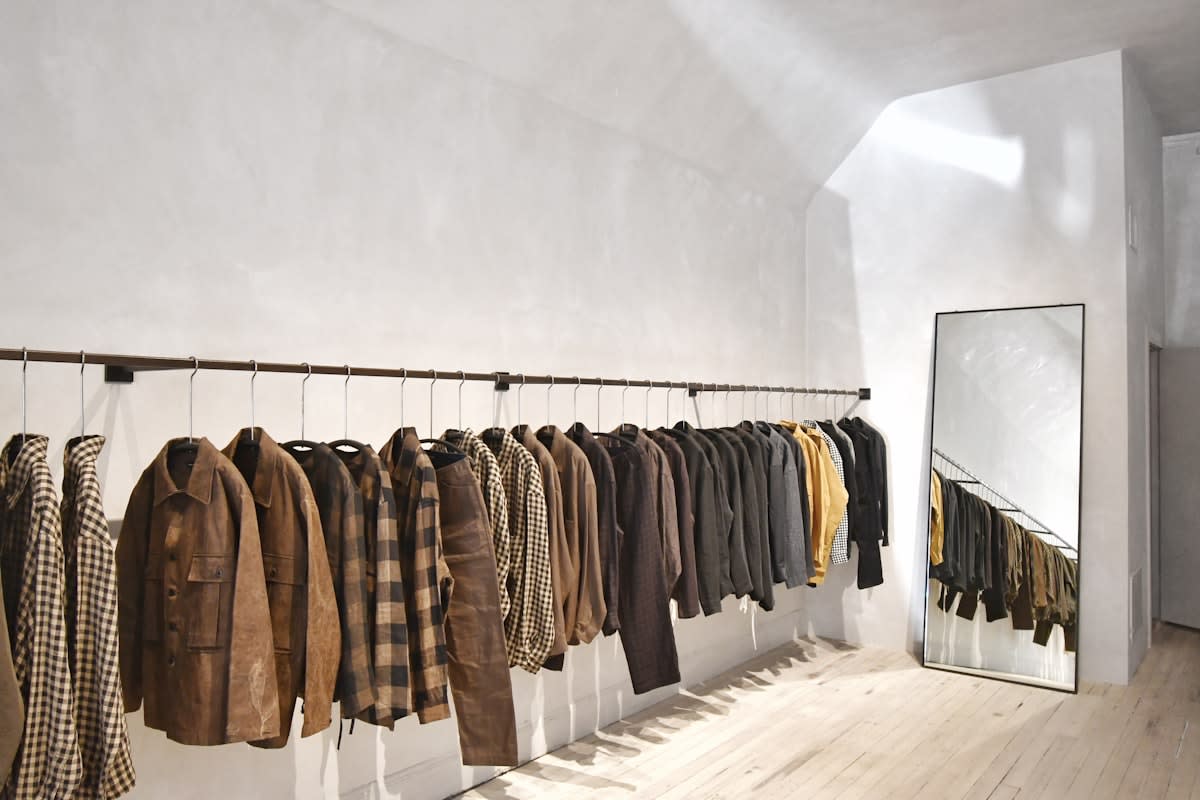
In the IYKYK economy, the value proposition shifts from the brand name to the provenance of the material. We are seeing a surge in demand for 'invisible' luxury: Loro Piana's vicuña wool or Brunello Cucinelli's neutral-toned cashmere. These items carry no outward branding, yet their cost is often higher than their logo-heavy counterparts. The status is derived from the wearer's ability to identify the specific weave or the precise drape of a garment—a secret handshake for the global 0.1%.
"The shift toward quiet luxury isn't just a fashion trend; it is a socio-economic defensive mechanism. When wealth becomes too visible in an era of extreme inequality, the truly powerful opt for invisibility to avoid scrutiny while maintaining internal hierarchy."— Luxury Market Analyst at Bain & Company
This isn't limited to clothing. It extends to architecture, travel, and art. The 'loud' mansions of the early 2000s are being replaced by brutalist, understated compounds. The flashy super-yachts are giving way to exploration vessels that prioritize capability over gold-leaf trim. The common thread is a preference for utility and authenticity over performative opulence.
| Feature | Logomania (Conspicuous) | Stealth Wealth (Inconspicuous) |
|---|---|---|
| Primary Signal | Brand Recognition | Material & Craftsmanship |
| Target Audience | Aspirational / Mass Luxury | UHNW / Old Money |
| Value Driver | Social Validation | Exclusive Knowledge |
| Visual Marker | Monograms, Bold Logos | Texture, Cut, Palette |
| Economic Goal | Market Penetration | Client Retention/Loyalty |
Does this mean logos are extinct? Hardly. Brands are simply bifurcating their strategies. They use 'loud' products to capture the aspirational market and drive volume, while reserving 'quiet' collections for their top-tier clients. It is a tiered ecosystem of visibility.
A Global Perspective on Stealth Wealth
The pivot to the IYKYK economy manifests differently across regions. In China, the shift is partly political. The government's 'Common Prosperity' initiative has made flamboyant displays of wealth socially and politically risky (Source: South China Morning Post, 2022). Wealthy Chinese consumers are pivoting toward 'low-key luxury' to signal status without inviting state or public ire.
In the United States, the trend is driven by the tech elite. The 'Silicon Valley Uniform'—grey t-shirts and Allbirds—was the first wave. The second wave is more refined: an obsession with 'perfect' basics that cost thousands of dollars but look like they came from a high-end department store. It is a form of wealth that disguises itself as modesty, a paradox that allows the wearer to move through different social strata without friction.

Meanwhile, in Europe, this is a return to form. The 'old money' aesthetic of the UK and France has always been understated. The current trend is essentially the global adoption of the European aristocratic code: if you have to tell people you are wealthy, you aren't truly wealthy.
The Practitioner's Dilemma: Growth vs. Exclusivity
From the inside, this shift creates a brutal tension in the design rooms of LVMH and Kering. I have seen this debate play out in real-time: the marketing teams demand logos because they drive the KPIs and fuel the growth of the 'entry-level' luxury segment. They need the Instagrammable moment. But the creative directors and the VIC (Very Important Client) managers know that the real money—the loyal, recession-proof capital—is fleeing the logo. If a brand becomes too 'visible,' it loses its prestige among the people who actually sustain the brand's long-term equity.
The friction lies in the 'dilution' effect. When a brand sells 500,000 logo t-shirts to the masses, the 50 people who spend $100k a year on bespoke tailoring start to feel the brand has been 'cheapened.' The internal struggle is how to scale revenue without scaling visibility. The solution is often a hidden line—products that are never advertised and only available to clients who are invited into a private room.
"The goal is no longer to be the most famous brand in the room, but to be the most respected brand among the three people in the room who actually matter."— Former Creative Director at a Tier-1 Luxury House
The Economic Moat of the IYKYK Economy
This pivot is more than an aesthetic choice; it is a strategic economic moat. Logomania is volatile; it relies on trends and the whims of the 'hype' cycle. Stealth wealth, however, is built on the timelessness of quality. By focusing on the 'IYKYK' aspect, brands create a community of insiders. This community is far more resilient to economic downturns because their consumption is not based on social competition with the masses, but on a shared standard of excellence.
- Shift from 'Price Signaling' (how much it cost) to 'Knowledge Signaling' (why it is valuable).
- Reduction in volatility by decoupling brand value from mass-market trends.
- Increased client loyalty through the creation of an 'exclusive club' atmosphere.
- Diversification of revenue streams between 'loud' entry-level goods and 'quiet' elite goods.
As we move further into this decade, expect the 'logo' to become a tool for the middle class, while the truly wealthy continue to erase themselves from the visual landscape. The ultimate luxury is no longer owning the most expensive thing in the room—it is owning the most expensive thing that no one else recognizes.
Fact-Check & Accuracy Note
The claims regarding the shift toward 'low-key luxury' in China are sourced from reporting by the South China Morning Post (2022). Market trends regarding the 'Quiet Luxury' pivot and the bifurcation of luxury strategies are based on analysis from Vogue Business (2023) and industry frameworks utilized by Bain & Company. The tension between volume growth and brand equity is a documented internal debate within luxury conglomerates like LVMH and Kering.