The traditional luxury playbook is dead. For decades, status was a matter of access—staying at the right hotel in the right city. Now, American consumers are rewriting these rules. According to a new report from Bain & Company, meaning and experience have replaced the luxury product itself as the primary status symbols. It is no longer about the gold leaf on the ceiling; it is about the intellectual yield of the stay.
"This is not a return to the old rhythm, it is the emergence of a new one."— Claudia D'Arpizio, Senior Partner at Bain & Company
This evolution manifests in a tangible preference for domestic identity. U.S.-native brands saw a 10% to 15% increase compared to the first quarter of 2025. Consumers are looking inward, seeking narratives that resonate with their own heritage rather than generic global luxury.

While the West redefines meaning, the East is redefining geography. In India, the growth of hospitality is leaking out of the traditional metropolitan hubs. A thriving middle class and rising incomes are pushing demand into fragmented, non-metro regions. The EHL Hospitality Outlook Report 2026 highlights a market where the real challenge isn't finding customers, but managing sustainable growth in a landscape that resists centralization.
The Mechanics of Hyper-Personalization
Distribution is becoming messier. RateHawk's analysis suggests that the next decade of tourism distribution will be less centralized, driven by AI and social platforms. We are seeing the rise of the screen-triggered journey. A show like The White Lotus or Emily in Paris creates a narrow, intense wave of interest that bypasses traditional travel agencies. Why trust a brochure when a cinematic backdrop provides the emotional blueprint for a trip?
| Market Segment | Primary Value Driver | Key Trigger | Geographic Trend |
|---|---|---|---|
| US Luxury | Personal Meaning | Domestic Brand Loyalty | Native Brand Growth (10-15%) |
| Indian Hospitality | Experience-led Spending | Middle Class Income | Beyond Metro Hubs |
| Global High-End | Intellectual Legacy | Pop Culture/Media | Ancient World/Remote Spots |
This suggests a systemic movement toward fragmented demand. Travel is no longer a mass-market commodity but a tool for skill mastery and personal transformation.
From Sightseeing to Legacy Building
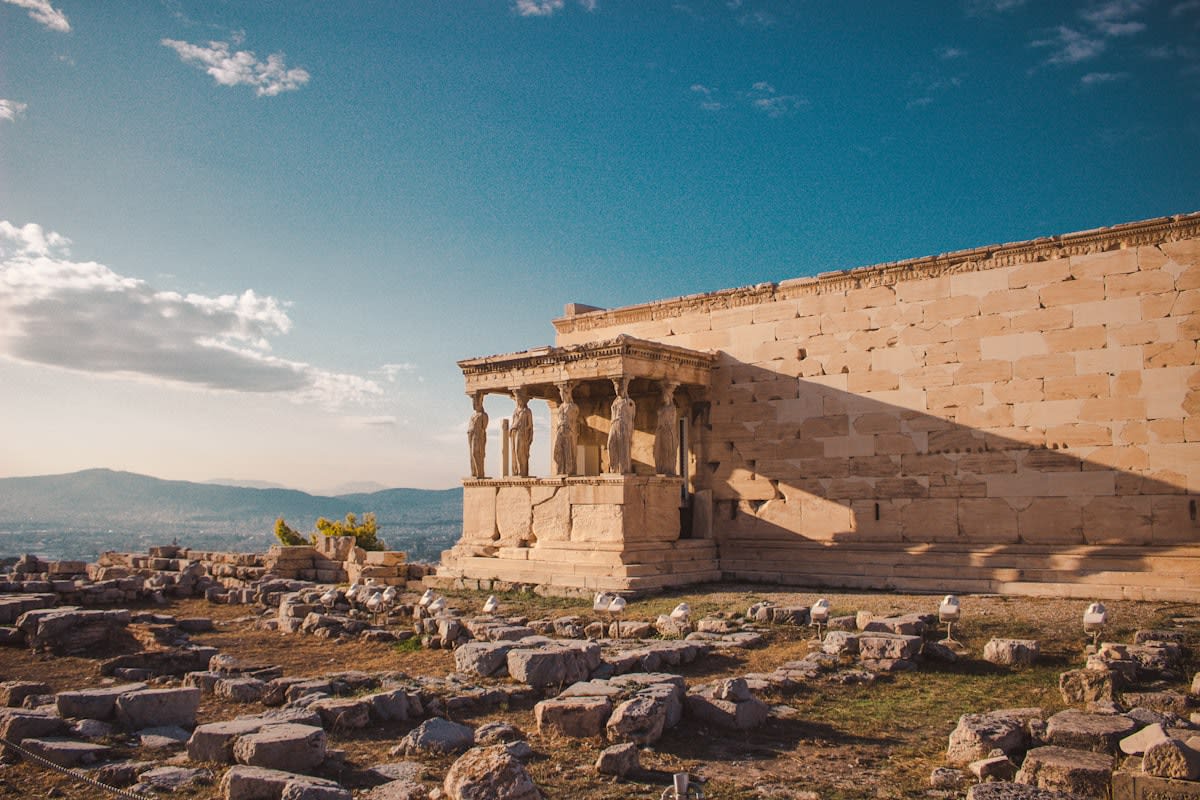
Jacada Travel's summer 2026 trends confirm that luxury travelers are now motivated by purpose and learning. The destination is secondary to the objective. For some, this means citizen science in Latin America; for others, low-impact wildlife encounters in Africa. Even the ancient world has seen a resurgence, sparked specifically by the release of Christopher Nolan's reimagining of The Odyssey in July.
- Hands-on citizen science projects in Latin America
- Exclusive, low-impact wildlife encounters in Africa
- Skill mastery journeys focusing on personal legacy
- Ancient world exploration driven by cinematic influence
Yet, this quest for meaning is not universal across all demographics. Look at the American response to the 250th anniversary of Independence Day. While Numerator reports that 51% of Americans find the anniversary very or extremely important, Gen Z is nearly twice as likely as the general population to say it is not important at all (23%).
The Paradox of Patriotism
Despite the generational divide, the spending power remains concentrated. July 4th spending is projected to total nearly $22 billion, with 69% of consumers demanding that anniversary-related merchandise be made in the United States.
What we are witnessing is a decoupling of travel from the act of visiting. Whether it is a rural resort in India or a science expedition in the Amazon, the traveler is no longer seeking a place, but a version of themselves. The industry that continues to sell destinations will find itself obsolete. The winners will sell transformation.