
The Great Recalibration
The financial world spent the last decade enamored with the ephemeral. From the rise of purely digital currencies to the abstraction of complex derivatives, wealth became a series of entries on a ledger, detached from any physical reality. But the wind is shifting. We are witnessing a quiet, systemic migration of capital away from the digital noise and back toward assets you can touch, hold, and verify. This isn't a panic-driven retreat into the past; it is a strategic hedge against the fragility of an over-leveraged digital economy.
Why now? The answer lies in the erosion of the traditional safety nets. For decades, the 60/40 portfolio—60% stocks and 40% bonds—was the gold standard for risk management. That era is over. When core inflation remains stubbornly above the 2% target and the 10-year U.S. Treasury yield touched 4.8% in February 2025, the bond market stopped acting as a cushion and started acting as a liability. Investors are realizing that when the foundation of fiat stability cracks, the only true sanctuary is tangibility.
"Gold has historically served as a hedge against inflation, as its price tends to rise when the purchasing power of fiat currency declines."— Market Analysis via BitcoinWorld
The data supports this flight to quality. Spot gold climbed above $2,100 per ounce in late February 2025, capping off a year where it saw roughly a 15% gain. This isn't just retail investors buying coins; it is a structural shift. Financial advisors are now actively recommending that clients allocate 5% to 10% of their portfolios to gold and other hard assets. This shift signals a fundamental distrust in the ability of central banks to tame inflation without destroying the value of paper assets.
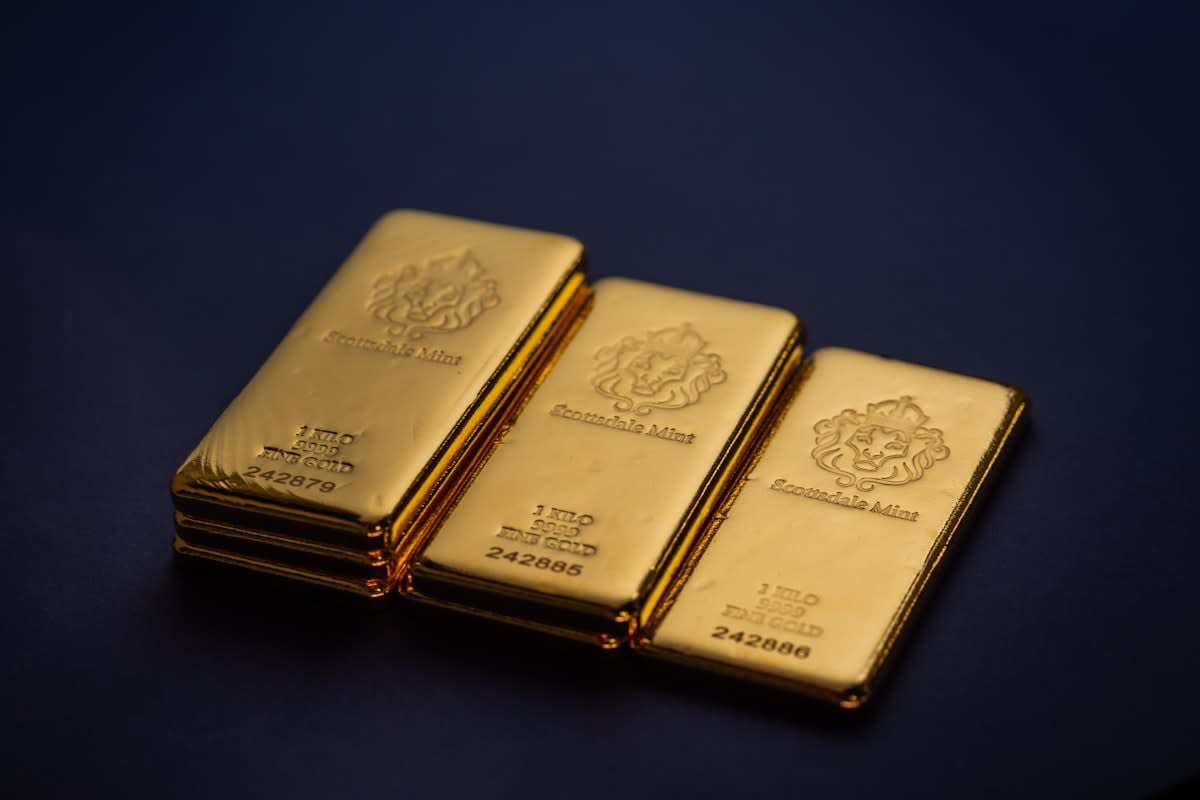
This migration is not limited to the West. We are seeing a global recalibration of what constitutes a reserve asset. The movement to replace or supplement the petrodollar system is driving a surge in gold and yuan-based reserves. When the global monetary architecture shifts, the winners are those holding assets that do not require a third-party promise to maintain their value. The transition from digital promises to physical proof is the defining trend of the current decade.
Does this mean the death of the digital asset? Not necessarily, but it does mean the end of the 'digital for the sake of digital' era. The most successful digital assets are now those that mimic the properties of hard assets. Take Tether's gold-backed token, XAUT. By tokenizing physical gold stored in Swiss vaults, XAUT provides the efficiency of blockchain with the stability of a tangible asset. Its recent Shariah compliance certification from Amanah Advisors further expands its reach, opening the door for Islamic finance institutions that require underlying assets to be tangible and free from interest.
| Asset Category | Recent Driver | Strategic Role | Observed Trend |
|---|---|---|---|
| Precious Metals | Sticky Inflation/Bond Volatility | Inflation Hedge | Price > $2,100/oz |
| Industrial Materials | Supply Chain Reshoring | Infrastructure Growth | Increased ETF Inflows |
| Digital Assets | Institutional ETF Adoption | High-Risk Growth | Volatility/Liquidation Pressure |
| Fixed Real Estate | Weak Domestic Demand | Traditional Wealth Store | Investment Down 18% (H1 2026) |
Interestingly, not all hard assets are created equal. There is a visible divergence between stagnant physical assets and strategic ones. Deloitte reported that in the first half of 2026, fixed-asset investment dropped by 5.7%, the weakest performance since the pandemic. Property investment took a massive hit, falling 18%. This suggests that wealth isn't just moving into 'anything physical,' but is specifically rotating away from illiquid real estate and toward more dynamic tangible assets.
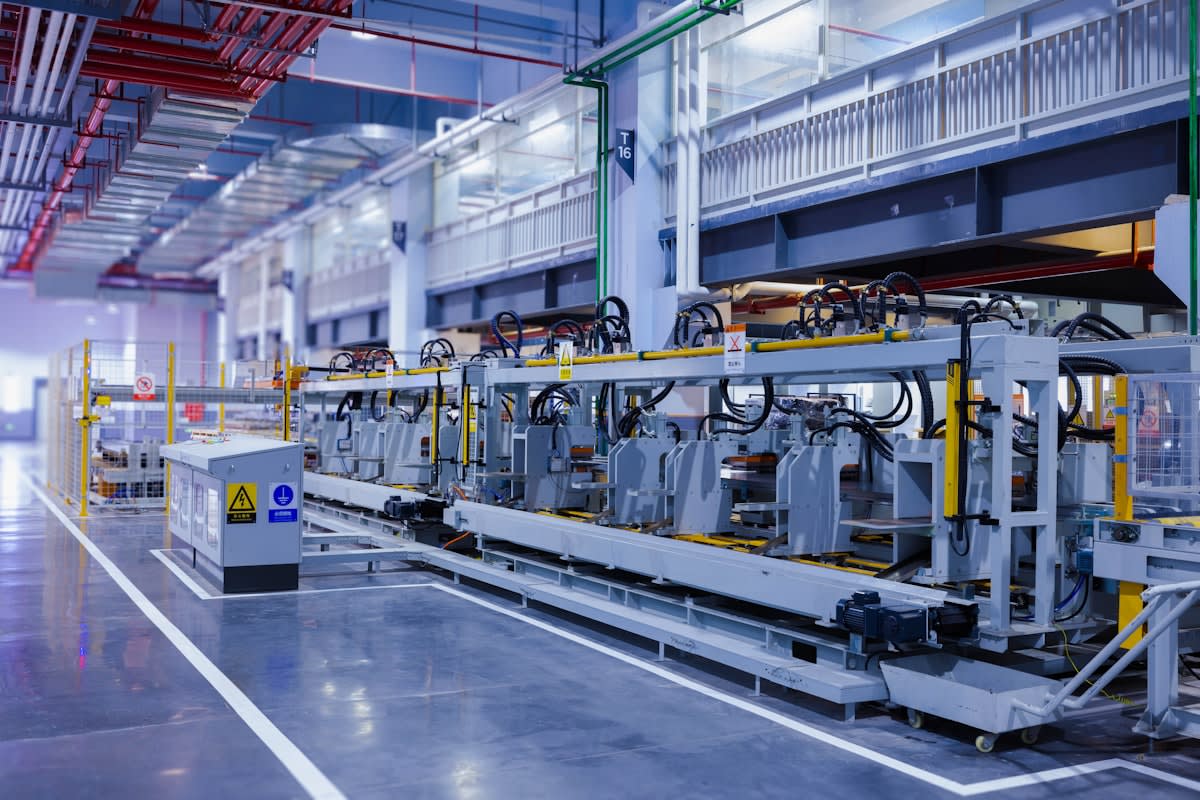
Where is that capital going? Fidelity's sector ETF flows provide a clue. While tech remains a powerhouse, there is significant momentum in industrials, energy, and materials. This reflects a global push toward electrification infrastructure and the reshoring of supply chains. Investors are betting on the physical machinery of the world—the factories, the grids, and the raw minerals—rather than just the software that manages them. The 'real' economy is becoming the 'premium' economy.
Even within the digital asset space, the narrative is shifting toward tangible utility. Solana (SOLUSD) has seen intensified volatility, but institutional demand through spot ETFs suggests a recalibration of risk. Professional investors are no longer buying based on hype; they are looking for high-throughput ecosystems that demonstrate actual fee-generation and utility. However, the fragility remains. The persistent selling pressure from the FTX/Alameda estate liquidation serves as a stark reminder of how quickly digital liquidity can evaporate.
The contrast is sharp. On one hand, you have the instability of the FTX estate liquidations creating structural supply-demand imbalances. On the other, you have the steady, Shariah-compliant growth of gold-backed tokens and the resurgence of precious metals. One is a bet on a system that might break; the other is a bet on a value that has existed for millennia. The sophisticated investor is no longer choosing one over the other but is using the latter to survive the former.
The Death of the 60/40
The traditional 60/40 portfolio is failing because it assumes bonds will rise when stocks fall. In an era of sticky inflation and rising yields, both can crash simultaneously, leaving investors exposed. Hard assets provide the only uncorrelated hedge.
This migration is ultimately about resilience. By diversifying into a mix of gold, industrial materials, and utility-driven digital assets, global wealth is building a fortress. The 5-10% allocation to gold is not a sign of doom, but a sign of maturity. It is an admission that the digital layer of our economy, while efficient, is fundamentally fragile.
As we look toward the remainder of 2026, the trend is clear. The era of blind faith in digital growth is being replaced by a calculated return to the physical. Whether it is through the reshoring of manufacturing or the tokenization of Swiss gold, the goal is the same: the pursuit of assets that possess intrinsic value regardless of the state of the network or the whim of a central bank.