The Fed’s expected interest-rate hike on Wednesday could be the start of something more troubling for investors
Source Entity
Christine Idzelis
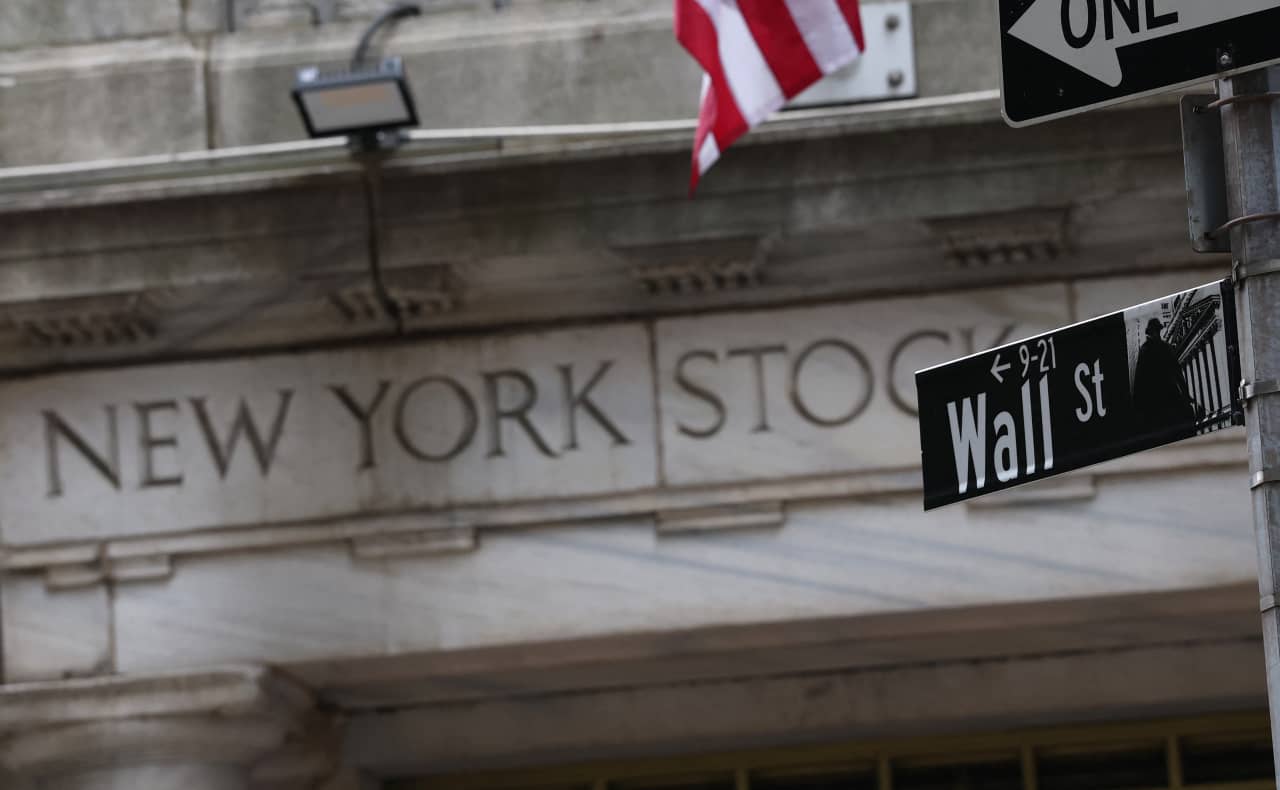
The Federal Reserve is anticipated to initiate its first interest rate hike in over three years, signaling a shift toward tighter monetary policy. While markets brace for short-term volatility, experts suggest potential long-term resilience, particularly in sectors like AI.
The Federal Reserve's Pivot: A New Era of Monetary Policy
The financial landscape is bracing for a significant shift as the Federal Reserve prepares for its first interest rate hike in more than three years. With a 90% probability indicated by federal funds futures, markets are anticipating a quarter-point increase from the Federal Open Market Committee. This move represents a decisive departure from years of accommodative policy, marking the beginning of a cycle intended to address current economic pressures.
Market Volatility and Investor Sentiment
While the announcement itself is largely priced in, the immediate aftermath is expected to bring substantial market activity. Wall Street, particularly the S&P 500, often reacts sharply to the Fed's rhetoric. Current sentiment suggests that a 'hawkish' stance—one that implies further tightening in 2026—might paradoxically be welcomed by the S&P 500, as it signals the central bank’s commitment to controlling inflation and stabilizing the broader economic environment.
The Goldman Sachs Perspective: Earnings vs. Speed Bumps
John Shugar of Goldman Sachs offers a nuanced outlook on the transition. He argues that the heavy lifting in terms of earnings growth has already been accomplished, providing a foundation of strength for the market. While he warns of potential 'speed bumps' in the coming weeks as investors adjust to the new rate environment, he highlights significant opportunities within the AI consumer sector, suggesting that fundamental growth may outweigh the temporary drag of higher borrowing costs.
The Challenge of Controlling Yields
One of the most complex aspects of this policy shift is the Fed's influence on longer-term bond yields. Historical data suggests that interest rate hikes are not always successful in curbing the rise of these yields. This presents a unique challenge for the Federal Reserve; while they aim to tighten policy to manage the economy, the market's reaction in the bond sector may not always align with the central bank’s desired outcomes, creating a divergence between policy intentions and market realities.
Broader Economic Implications
For the average consumer, this pivot carries tangible consequences. A rise in the federal funds rate typically cascades into higher costs for credit cards, personal loans, and variable-rate mortgages. As the Fed shifts away from the ultra-low rate environment that defined the post-crisis years, individuals and businesses must recalibrate their financial strategies to account for the increased cost of capital.
Looking Ahead: A Future of Tightening
The upcoming policy update, including the Fed’s new economic projections, will be critical in shaping the narrative for the remainder of the year. Investors are not just looking at the immediate quarter-point hike; they are parsing the committee’s forward-looking guidance. As the Fed signals its trajectory for 2026, the market will continue to weigh the benefits of a restrictive policy against the risks of slowing economic momentum.
Multiple Citing Sources
Verification Required?