Asian Refiners Seek Answers After Saudi Pipeline Shutdown
Source Entity
Yahoo Finance
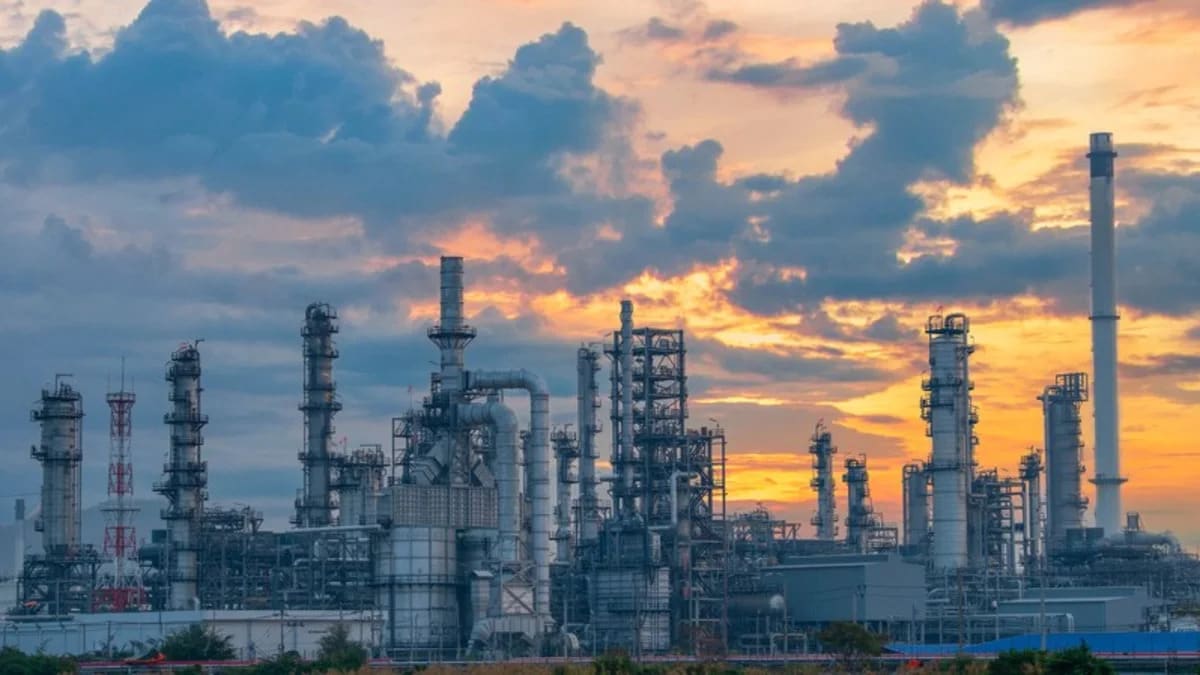
Oil prices have surged past $100 per barrel following drone attacks on Saudi Arabia's East-West pipeline and regional maritime strikes. These geopolitical escalations have heightened supply fears, causing Brent and WTI crude to climb amid concerns over global export stability.
Global Energy Markets React to Middle East Escalations
Global oil markets experienced a significant shock this week as Brent crude and West Texas Intermediate (WTI) surged following a series of coordinated attacks in the Middle East. The primary catalyst for this volatility is the closure of Saudi Arabia’s critical East-West pipeline, which was forced offline following drone attacks. This disruption, coupled with reported strikes on vessels near the Strait of Hormuz, has sent shockwaves through energy trading desks, pushing Brent crude prices past the $100 per barrel threshold.
The Anatomy of the Supply Disruption
The closure of the East-West pipeline is particularly concerning for global energy security. Market analysts suggest that this infrastructure represents a vital artery for Saudi oil exports, and its shutdown could potentially impact approximately 4% of the global oil supply. The uncertainty surrounding the duration of the repairs—compounded by reports that the Yanbu port may only hold a five-to-seven-day supply buffer—has created a climate of extreme caution among investors and commodity strategists.
Geopolitical Instability and Market Sentiment
The market’s aggressive reaction is rooted in the intersection of physical supply constraints and regional hostility. With the Iran-aligned Houthis claiming responsibility for attacks on Saudi military sites and infrastructure, and reports of Iranian-led strikes on vessels in the Gulf, the risk premium on oil has spiked. This is not merely a localized conflict; the expansion of Houthi influence over key waterways threatens the logistical flow of oil, challenging the efficacy of current diplomatic efforts to stabilize the region.
Financial Implications and 'Missing Out'
JPMorgan strategists have noted that the speed of this price ascent has left many market participants struggling to adjust their positions. As prices climbed over 3% during initial market openings, the fear of 'missing out' on a correction or, conversely, failing to hedge against further spikes, has created high trading volumes. The volatility highlights the vulnerability of equity markets to energy-sector disruptions, as inflation concerns are inevitably tethered to the rising costs of Brent and WTI.
Future Trends and Outlook
Looking ahead, the trajectory of oil prices will remain heavily dependent on the physical status of the East-West pipeline. If the damage is extensive, the supply gap could persist, keeping prices elevated well above the $100 mark. Furthermore, the inability of current diplomatic channels to de-escalate the situation suggests that the 'geopolitical risk premium' will likely remain embedded in energy pricing for the foreseeable future, forcing analysts to re-evaluate their long-term supply models.
Conclusion
In summary, the current surge in oil prices is a direct reflection of heightened security risks in the Middle East. With key infrastructure under direct threat and maritime transit routes facing increased hostility, the market is bracing for a period of sustained volatility. Investors and policymakers must now weigh the risks of further infrastructure damage against the potential for a protracted supply shortfall that could reshape global energy dynamics.
Multiple Citing Sources