
Cash dies slowly. 23.66 billion transactions occurred in August alone via UPI (Source: ETGovernment, 2026). This volume represents a migration of value that bypasses traditional teller windows. The act of paying is no longer a conscious exchange of physical notes but a subconscious digital trigger. This transition reflects a broader movement toward instantaneous settlement in emerging economies.
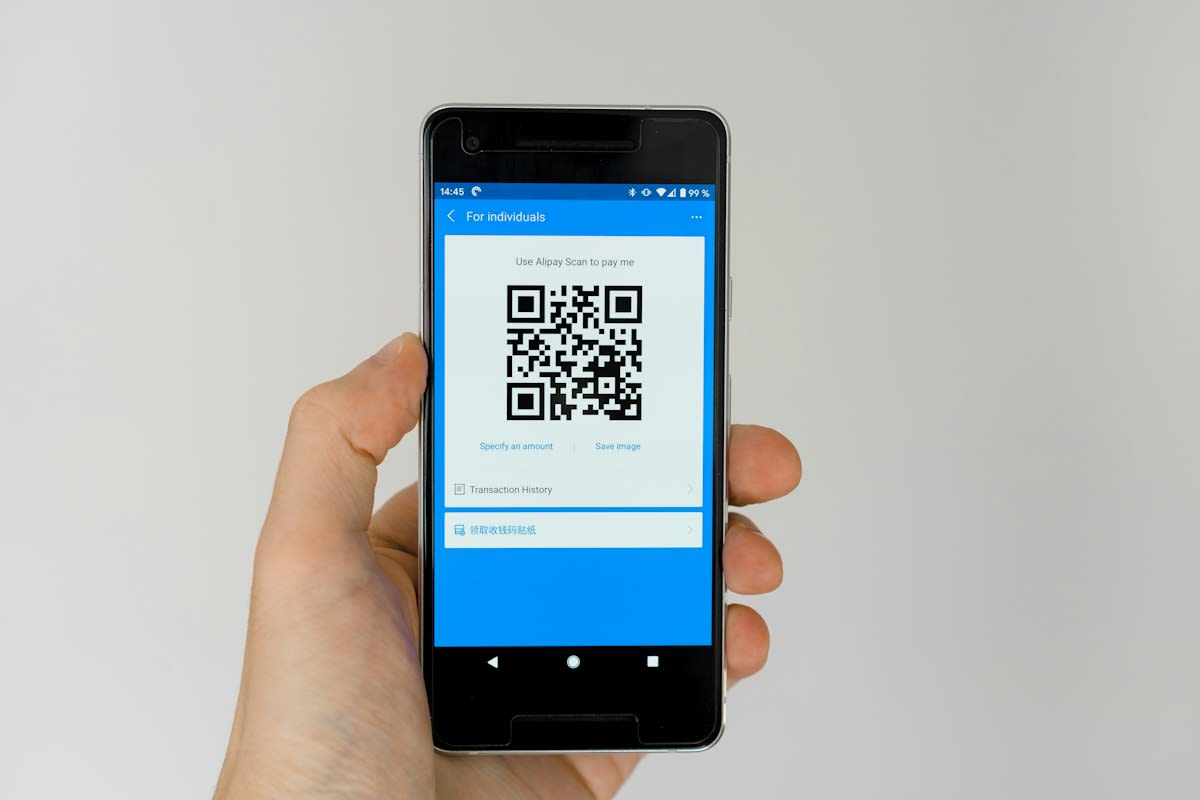
Mumbai serves as a primary node for this transition. In this city, the Unified Payments Interface (UPI) has effectively dismantled the need for small-denomination currency. The scale is immense, with August transactions reaching a value of 29.88 lakh crore rupees (Source: ETGovernment, 2026). This scale is not an accident but the result of a decade of infrastructure deployment. The ritual of the wallet is being replaced by the ritual of the QR scan.
Economic stability often follows these digital transitions. India's Current Account Deficit, which stood at over 4 per cent of GDP roughly 12 to 13 years ago, declined to approximately 0.61 per cent last year (Source: ETGovernment, 2026). This reduction suggests a more efficient internal circulation of capital. When money moves instantly, the friction of leakage decreases. The state gains better visibility into the velocity of money.
"In the month of August alone, there were 23.66 billion UPI transactions, amounting to 29.88 lakh crore rupees. It has been ten years since the inception of UPI, and it has shattered all previous records."— Rajnath Singh, Defence Minister of India
Sustainability remains a point of contention for the providers of these rails. The National Payments Corporation of India (NPCI) recently postponed the implementation of Merchant Discount Rate (MDR) charges on select UPI transactions until after Diwali (Source: India Business Trade, 2026). The proposed 0.4% MDR on person-to-merchant transactions exceeding Rs 2,000 was meant to secure revenue for the ecosystem. Postponing these fees suggests a priority for adoption over immediate profitability.
Similar patterns of behavioral migration are evident in East Africa. The reliance on traditional bank branches has been superseded by mobile-first protocols.
Kenya provides the blueprint for this transition via M-Pesa. Launched in 2007, the service allowed users to move money using basic mobile phones (Source: The Fintech Times, 2026). The impact on financial inclusion is measurable. Formal financial access for adults in Kenya rose from approximately 26 per cent in 2006 to around 85 per cent in recent years (Source: The Fintech Times, 2026). Banking is no longer a place one goes, but a function one performs.
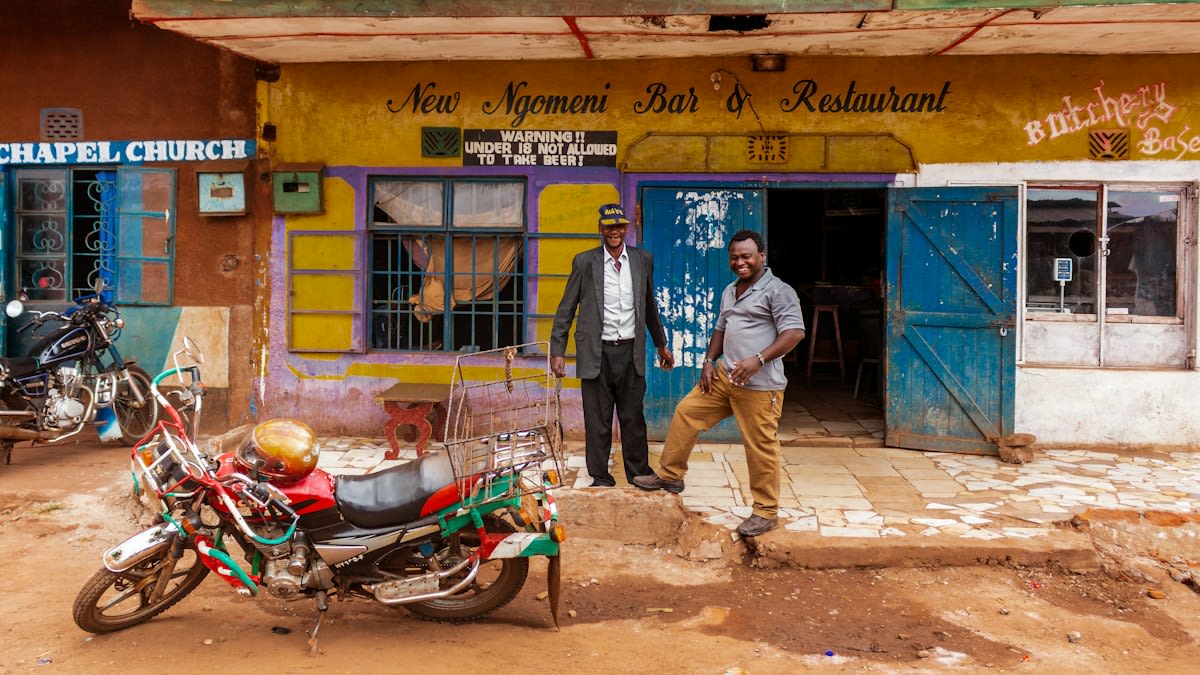
The Kenyan model has exported its logic to other regions. M-Pesa demonstrated that financial inclusion does not require a smartphone or a conventional bank account (Source: The Fintech Times, 2026). This realization has influenced the development of digital wallets in Southeast Asia, including GCash in the Philippines. The ritual of the bank queue is being erased across multiple continents.
Corporate partnerships are now scaling these protocols further. Mastercard and Moovn Technologies signed a five-year agreement to expand secure digital payments across East Africa (Source: Developing Telecoms, 2026). This collaboration integrates Mastercard's global network with MoovnPay's wallet ecosystem. The goal is to provide virtual and physical prepaid cards and peer-to-peer transfers to underserved populations.
| Market | Key Metric | Value | Source |
|---|---|---|---|
| India | UPI Monthly Volume (Aug) | 23.66 Billion | ETGovernment, 2026 |
| Kenya | Adult Financial Access | 85% | The Fintech Times, 2026 |
| Philippines | Digital Transaction Households | 62% | FinTech Futures, 2026 |
The Philippines is experiencing a similar acceleration in digital adoption. Households completing digital financial transactions rose from 53% to 62% year on year (Source: FinTech Futures, 2026). AUB, a local bank, has integrated Paymentology to power its HelloMoney e-wallet, allowing QR payments across 60 countries (Source: FinTech Futures, 2026). AUB's total assets grew by 5.6% year on year, while net interest income grew by 14.9% to PHP 10.11 billion (Source: FinTech Futures, 2026).
Practitioners operating in Mumbai face a specific friction when deploying digital rails. The debate often centers on the Merchant Discount Rate and the sustainability of zero-fee models. Merchants express frustration over the loss of hard currency margins while government bodies push for total adoption. This friction reveals a gap between policy goals and commercial reality. Ground-level implementation requires navigating these conflicting incentives daily.
Failure Point
The primary failure point in this transition is the tension between accessibility and monetization. The postponement of MDR charges in India (Source: India Business Trade, 2026) highlights a precarious reliance on government subsidies or corporate losses to maintain growth. If the cost of maintaining the digital rails exceeds the economic benefit, the system faces a liquidity crisis. Furthermore, the reliance on mobile networks means that digital outages effectively freeze the economy.
Ultimately, the transition from physical to digital payment rituals is an efficiency play. By reducing the Current Account Deficit and increasing financial access from 26% to 85% in cases like Kenya, these systems prove their utility (Source: The Fintech Times, 2026). However, the removal of the physical buffer—cash—leaves the economy vulnerable to technical failure and policy volatility.
Editorial Note
This article analyzes the migration from physical to digital payment rituals. It focuses on the economic drivers and frictions in India, Kenya, and the Philippines based on 2026 data.
Fact-Check Note
All statistics, including the 23.66 billion UPI transactions and the 85% financial access rate in Kenya, are derived from provided research data dated 2026.