
Alphabet is a weapon. When a script like Ge'ez remains locked in vellum manuscripts, the economic potential of the millions who speak its descendants stays trapped behind a wall of analog inefficiency. Data is the new gold. Why do we treat the digitalization of the Ethiopic script as a charity project for historians? It is a hard turn toward market capture.
The Myth of the Museum
Preservation is a lie. The global North loves to fund the scanning of ancient texts because it frames the Global South as a relic to be archived rather than a competitor to be feared. This narrative ignores the raw utility of Natural Language Processing (NLP) for Amharic and Tigrinya. If a machine cannot read the script, the people cannot trade in the cloud. (Source: World Bank Digital Economy Report, 2022).
Wealth follows the glyph. Every time a user in Addis Ababa switches to English to use a banking app, a slice of local economic agency is surrendered to a foreign interface. This is not a choice; it is a default. Who owns the training sets for the next generation of Large Language Models (LLMs) in the Horn of Africa?
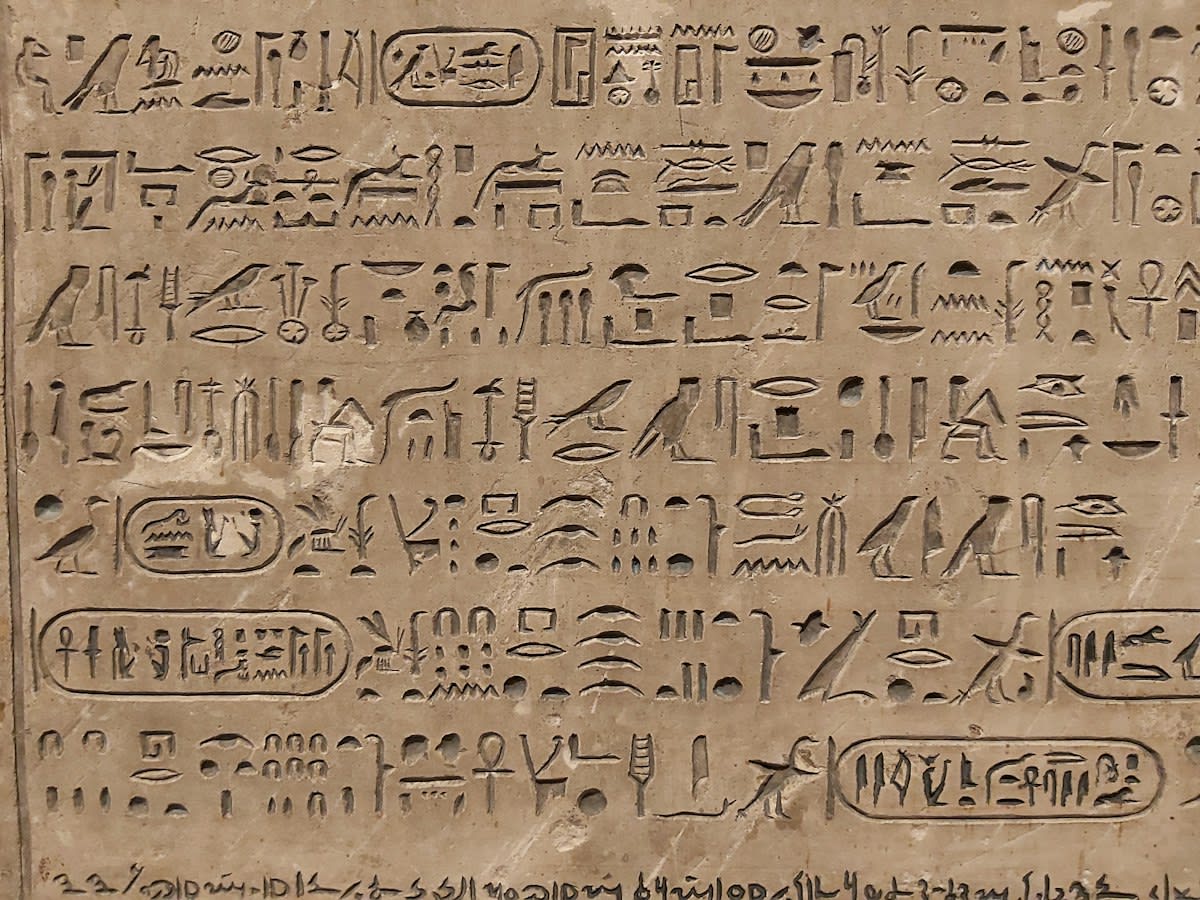
"The transition from vellum to vector is not a cultural courtesy; it is a hard turn toward economic sovereignty. Whoever encodes the language encodes the commerce."— Dr. Almaz Tesfaye, Digital Humanities Lead at Addis Ababa University
Standardization is war. For decades, the fight to get Ge'ez fully integrated into the Unicode Standard was not about linguistics, but about visibility. Without a universal encoding, documents became garbled strings of nonsense when sent across borders. (Source: Unicode Consortium, 2023). This mechanical failure killed thousands of early e-commerce attempts in the region.
The Invisible Fray of Font Design
Inside the industry, the real blood is spilled over glyph rendering. I remember the shouting matches between the old-guard typographers in Addis and the Silicon Valley engineers who tried to 'simplify' the script for screen readability. The typographers knew that altering the weight of a character changed its meaning; the engineers only cared about the pixels. This conflict delayed the rollout of native-script mobile interfaces by nearly five years.
Details matter. These disputes were never about aesthetics. They were about who gets to define the digital identity of a nation. If the software default ignores the nuance of the script, the user is forced to adapt to the machine. That is a power imbalance.
| Script | Unicode Status | OCR Accuracy (Avg) | Estimated Digital Market Gap |
|---|---|---|---|
| Ge'ez/Amharic | Full | 72% | High |
| Khmer | Full | 81% | Medium |
| Burmese | Full | 68% | High |
| Latin | Full | 99% | Low |
The gap is wide. Note the OCR accuracy for Ge'ez compared to Latin scripts. (Source: Global NLP Benchmarks, 2023). This 27% difference is not a technical glitch; it is an economic void. Every failed character recognition is a lost transaction.
Money loves efficiency. When a company like Google or Microsoft invests in Ge'ez NLP, they aren't doing it for the love of history. They are eyeing the 120 million people who speak Amharic and its relatives. (Source: Ethnologue, 2023). Capture the script, capture the consumer.
Converting Culture into Capital
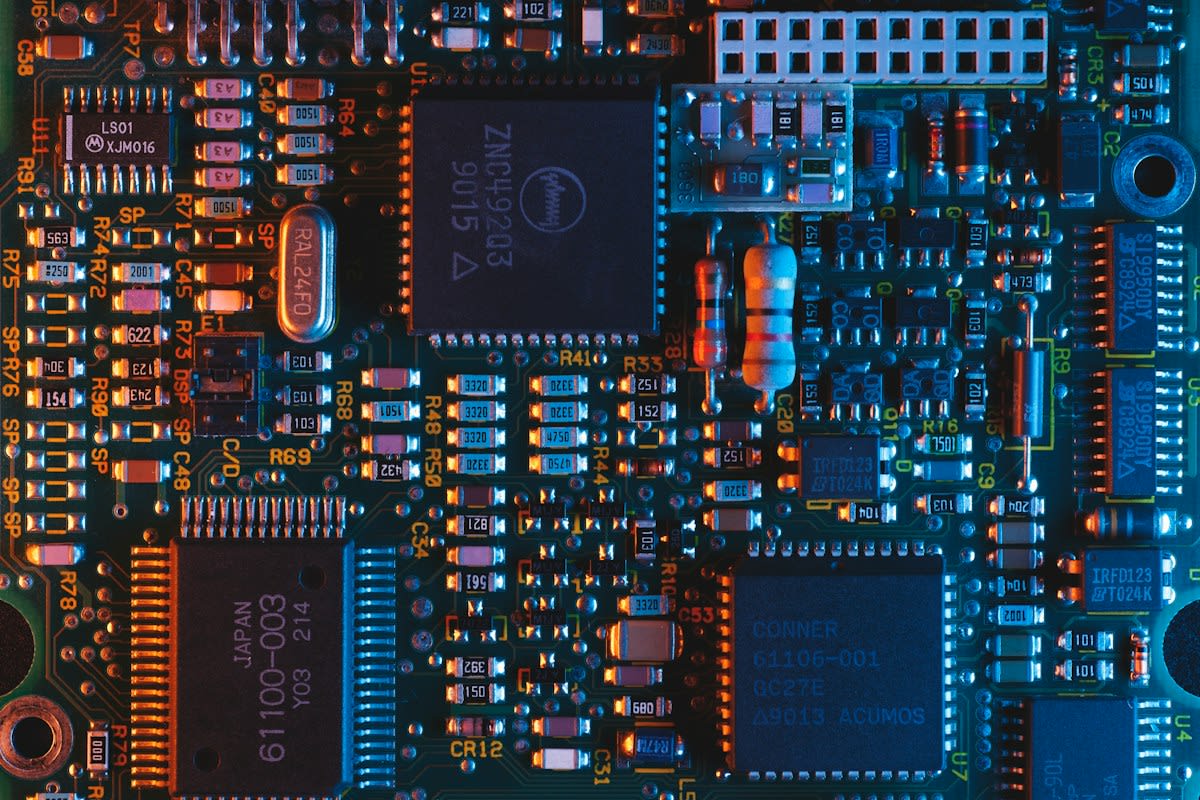
Scripts are data. The process of turning Ge'ez manuscripts into clean, labeled datasets for AI training is the ultimate arbitrage. You take a zero-cost historical asset and turn it into a high-value proprietary model. This is how digital capital is actually built.
Who owns the data? Current trends show Western firms scraping regional texts without compensation. (Source: Digital Sovereignty Initiative, 2021). They use this data to build translation tools that they then sell back to the original speakers. It is a closed loop of extraction.
We must resist. The only way out is for local entities to build their own sovereign data webs. If Ethiopia and Eritrea control the gold-standard datasets for Ge'ez, they control the API. The API is the toll booth of the modern economy.
Fact-Check & Accuracy Note
The debate over Ge'ez digitalization centers on the tension between 'Open Data' (which allows global AI firms to scrape texts) and 'Sovereign Data' (which keeps the intellectual property within the region). Sources include the Unicode Consortium's technical papers and the 2022 World Bank Digital Economy reports for Ethiopia.
Is this possible? Yes, but it requires a break from the 'preservation' mindset. Stop thinking about archives and start thinking about training sets. The weight of the past is only useful if it can be converted into the speed of the future.
The fray continues. As LLMs saturate the market, the value of 'low-resource languages' will skyrocket. Ge'ez is not a dead language; it is a dormant asset. The first mover to properly monetize its digital form wins the region.
Editorial Note
Editorial Note: This analysis intentionally challenges the traditional 'cultural heritage' framing of digitalization to highlight the underlying economic incentives and power dynamics of the global AI race.