Alice Huang’s Husband Built a Data-Center Empire Backed by the Chinese State
Source Entity
Latest News: Todays Latest News Headlines from India & World | Hindustan Times
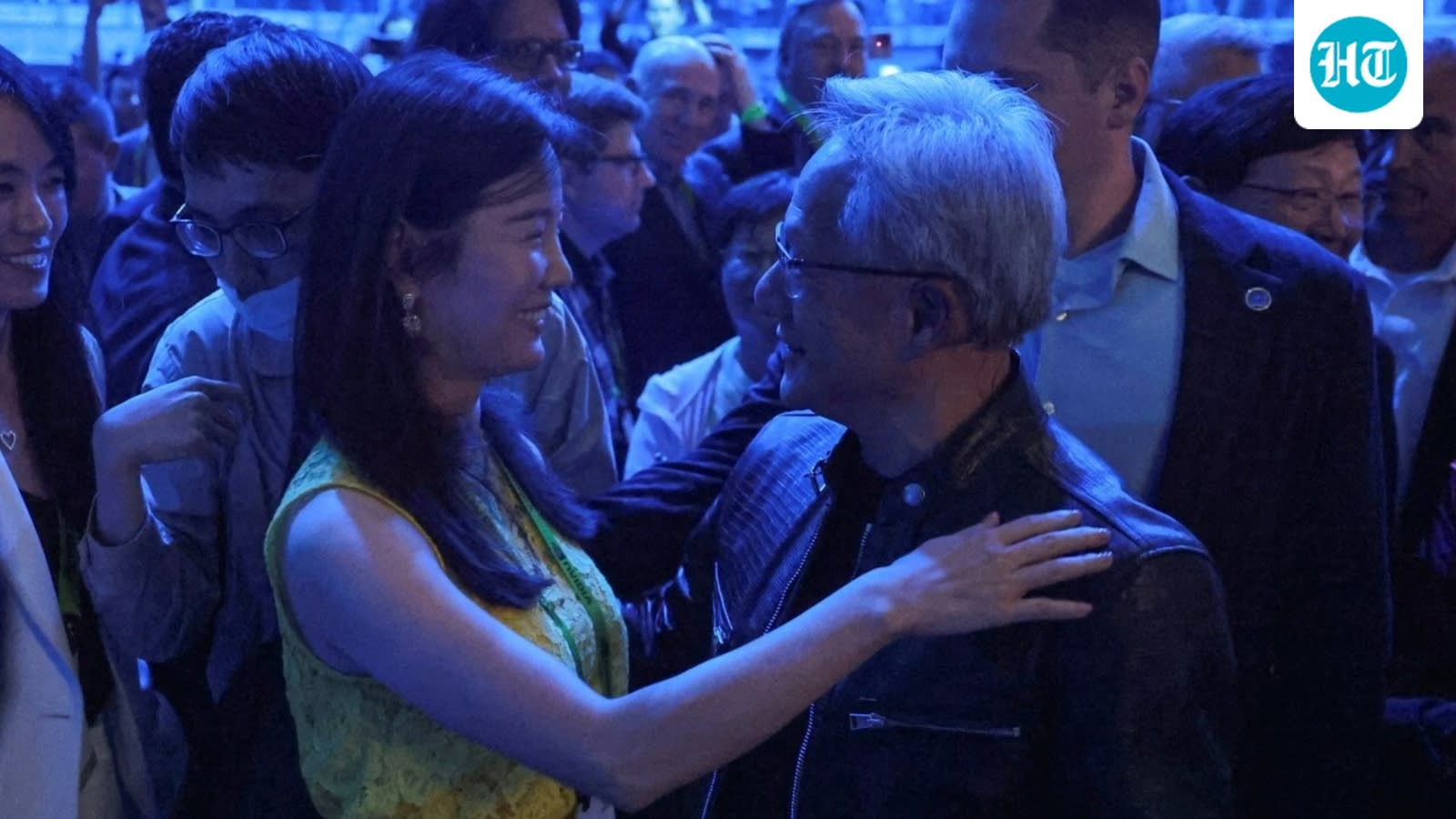
Alice Huang and her husband Kang Wei allegedly leveraged a personal relationship with Nvidia's CEO to secure restricted chips for state-backed Chinese data centers. This multi-billion dollar operation highlights the intersection of personal influence and national industrial policy in the global AI race.
The Intersection of Personal Influence and Geopolitics
The recent revelations surrounding Alice Huang and her husband, Kang Wei, expose a sophisticated, dual-track strategy designed to bolster China’s artificial intelligence infrastructure. By intertwining a high-level personal relationship with Nvidia CEO Jensen Huang with an aggressive, state-backed expansion of data centers, the couple appears to have created a conduit for advanced computing technology. This scenario underscores the increasing vulnerability of high-tech supply chains to personal diplomacy in an era of heightened geopolitical tension.
The Mechanics of the $9 Billion Network
Between 2021 and 2024, Kang Wei oversaw a staggering $9 billion in proposed investments aimed at creating a vast network of data centers. These projects were not merely private ventures; they were explicitly championed by Chinese government officials as critical infrastructure to meet the national mandate of ramping up domestic computing power. The scale of this operation indicates that Kang’s business was a central component of China's broader industrial policy to achieve autonomy in the semiconductor and AI sectors.
Accessing Restricted Technology
At the heart of the controversy is the alleged exploitation of a romantic relationship between Alice Huang and Nvidia CEO Jensen Huang. While Washington has implemented stringent export controls to prevent advanced artificial intelligence chips from reaching China—fearing their use in military and surveillance applications—this pipeline seemingly offered a workaround. The ability to secure a consistent supply of these high-end chips would be a massive strategic victory for China’s AI development, effectively bypassing the intent of U.S. trade restrictions.
Implications for Global Security
This case highlights the challenges of enforcing export controls in a globalized, interconnected economy. When personal relationships become a vector for technological transfer, traditional legal and regulatory frameworks often struggle to keep pace. The integration of Kang’s data-center empire with official state support suggests that the Chinese government was not merely a passive beneficiary, but an active partner in a project that directly challenged U.S. technological containment policies.
Future Trends in Tech Diplomacy
Looking ahead, this event is likely to trigger a re-evaluation of how multinational corporations manage their executive-level relationships and supply chain security. We can expect increased scrutiny from U.S. regulators regarding the personal connections of tech executives and a tightening of due diligence processes for high-stakes partnerships. As AI continues to be viewed as a cornerstone of national power, the line between private business and state-sponsored espionage will likely remain blurred, necessitating more robust oversight mechanisms in the semiconductor industry.
Verification Required?