
The Death of the Logo
The era of Logomania is hitting a wall. For years, the luxury market relied on the loud, unmistakable branding of heritage houses to signal status. But a quiet revolution is underway. Gen Z is pivoting. They are moving away from the ephemeral prestige of a designer monogram and toward assets that hold intrinsic value. This isn't just a change in taste; it is a strategic financial realignment. Why buy a bag that depreciates the moment it leaves the boutique when you can acquire a piece of investment-grade jewelry that serves as a portable hedge against inflation?
This shift is fueled by a massive liquidity event. According to the latest Giving USA report, bequests jumped nearly 20% in 2025. This represents a profound movement of wealth from baby boomers to younger generations. This isn't a slow trickle; it is a flood of capital hitting the hands of Gen X and Gen Z. With this newfound wealth, the younger cohort is bypassing the traditional luxury playbook. They are not looking for social validation through a logo; they are looking for resilience through hard assets.
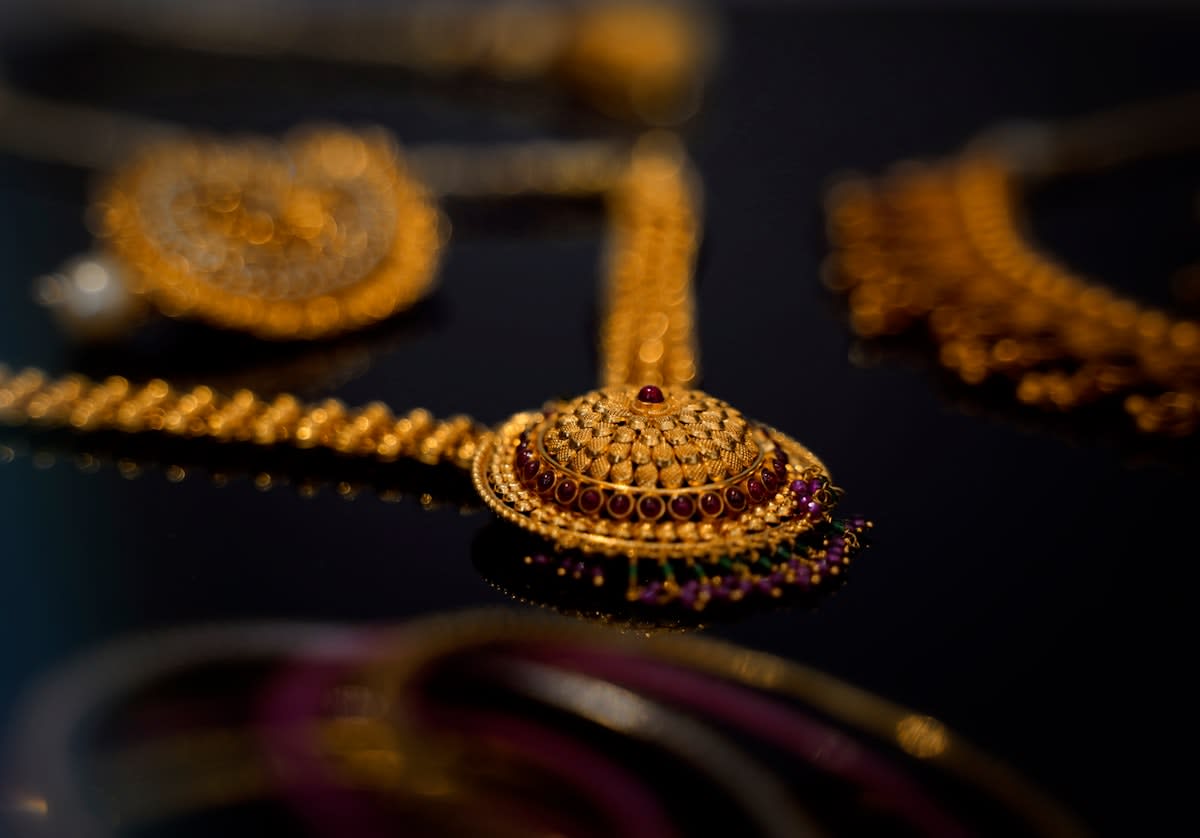
Is this a trend or a systemic overhaul? The data suggests the latter. While the broader luxury market has seen a slowdown, certain niches are thriving because they offer a tangible return. We are seeing a transition from consumption to accumulation. The modern Gen Z buyer asks a different question: Does this asset have a floor price? This mindset transforms a jewelry purchase from a splurge into a portfolio diversification strategy.
While the capital is flowing in, the way these assets are discovered has shifted from the atelier to the algorithm.
The TikTok Pipeline: From Viral to Vault
Social commerce is rewriting the shopping journey. Research from Savvy reveals that nearly half (47%) of Gen Z and Gen Y shoppers used TikTok Shop to browse or buy products in the past three months. This is a staggering contrast to the general UK population, where only 21% have engaged with the platform for commerce. TikTok has transformed the acquisition of luxury from a private, curated experience into a theatrical event. It is no longer about the exclusivity of the store; it is about the inclusivity of the trend.
"Social platforms are changing what consumers expect from the digital shopping experience, offering a more exciting and theatrical experience than conventional ecommerce."— Savvy Shopper Panel Report
The psychology here is potent. 57% of Gen Y/Z shoppers enjoy watching live shopping events, and 66% admit that seeing products sell out or go viral makes them more likely to purchase. When a specific type of investment-grade gold chain or a rare gemstone goes viral, it creates an immediate urgency. The 'sold out' notification is the new luxury seal of approval. This creates a high-velocity market where investment pieces can spike in value based on digital momentum before they even hit the secondary market.
This digital-first approach removes the intimidation factor of traditional jewelry houses. Gen Z isn't walking into a mahogany-paneled store in Paris; they are buying into an asset class via a live stream. This democratization of access, combined with a desire for hard assets, is accelerating the pivot away from disposable luxury toward permanent value.
But the digital hype is only half the story; the real movement is grounded in the physical reality of precious metals.
Hard Assets and the Global Silver Standard
When we look at the global map, the appetite for investment jewelry is most evident in the Far East. India remains the world's largest consumer of silver jewelry and silverware, controlling 51% of the sector and 9% of the total global offtake. This isn't just a cultural preference; it is a centuries-old financial strategy. Gen Z is now adopting this 'Indian model' of jewelry as wealth storage on a global scale.
However, the market is not without its headwinds. According to StoneX, interest rates remain the primary price driver for gold and silver, even amidst geopolitical escalations in the Middle East. While retail investors in parts of the Far East are showing signs of buying, these gains are often offset by sales elsewhere, creating a zero-sum game in certain regions. The sophisticated Gen Z investor is learning to time these entries, treating jewelry not as a fashion accessory, but as a commodity play.
| Luxury Category | 2025 Performance | Market Valuation / Trend | Driver |
|---|---|---|---|
| Luxury Eyewear | 2% to 4% Growth | €17 Billion | Self-expression & Stability |
| General Luxury Goods | Slowdown | Polarized Demand | Aspirational Pressure |
| Silver Jewelry (India) | Dominant | 51% of Sector | Cultural Investment |
| Bequest Giving | ~20% Increase | Wealth Transfer | Boomer to Gen X/Z Shift |
Interestingly, luxury eyewear has emerged as a surprising outlier in the broader luxury slowdown. Growing between 2% and 4% in 2025 to reach approximately €17 billion, eyewear is one of the few categories where the fundamentals continue to work. Why? Because it sits at the intersection of necessity and self-expression. It serves as an entry point for the 'investment' mindset—a smaller, more accessible asset that maintains its value better than a seasonal handbag.
The Resilience Factor
The pivot to investment jewelry is a symptom of a broader economic adaptation. In a world of volatile currencies and fluctuating stock markets, Gen Z is returning to the most ancient form of wealth preservation: tangible, high-purity precious metals.
This shift toward tangible wealth is mirroring larger infrastructure and economic diversifications seen in other global hubs.
The Macro View: Diversification and Resilience
We see similar patterns of strategic diversification in the Middle East. Saudi Arabia's Vision 2030 is driving aggressive growth in medical tourism, with the market expected to more than triple from $200 million in 2024 to $680 million by 2030. While this is a different sector, the underlying logic is identical: a pivot away from reliance on a single revenue stream (oil) toward a diversified, high-value service economy. Gen Z's pivot to investment jewelry is their personal version of Vision 2030—a diversification of their personal balance sheets.
The 'Delta' between 2024 and 2026 is clear. Twelve months ago, the conversation was about 'Quiet Luxury' as a fashion aesthetic—wearing beige cashmere to look rich. Today, the conversation is about 'Investment Luxury' as a financial strategy. The aesthetic is now secondary to the asset. The focus has shifted from how a piece looks on a TikTok feed to how it performs in a volatile economy.
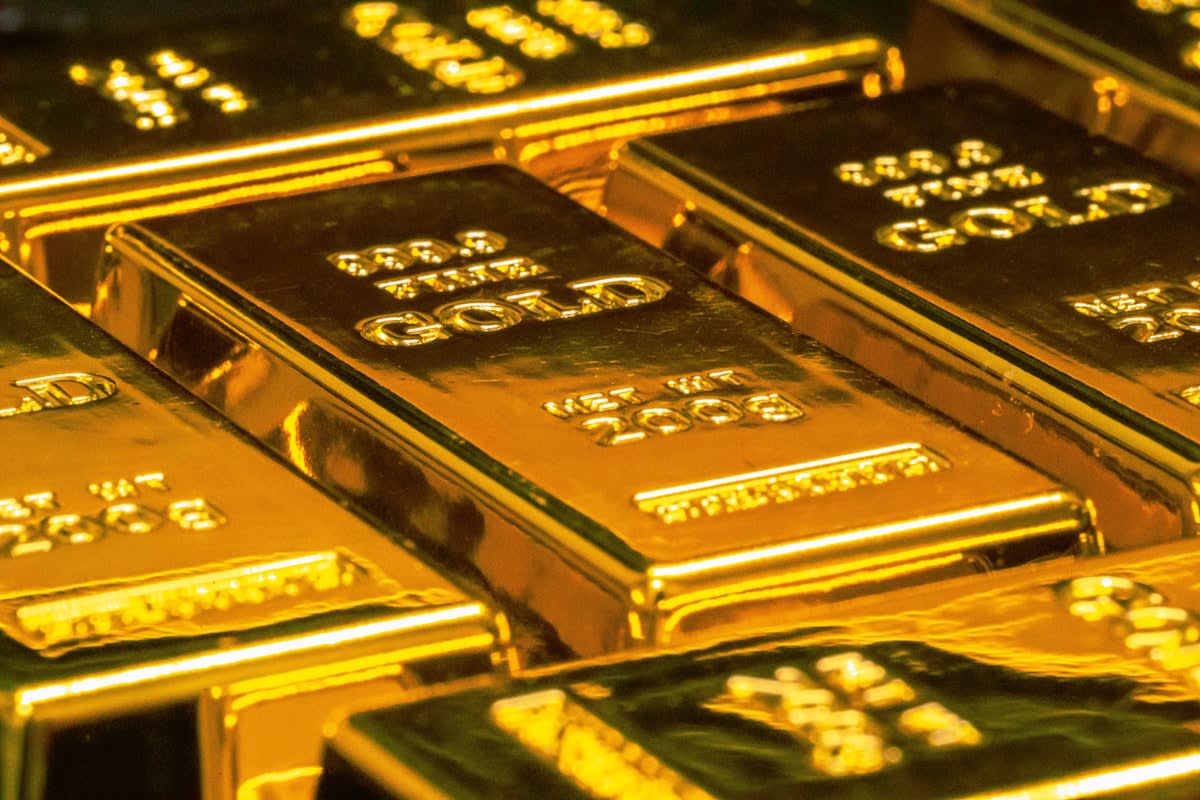
Ultimately, this transition reflects a generation that has witnessed unprecedented economic instability. By choosing investment-grade jewelry over logomania, Gen Z is exercising a form of financial resilience. They are not abandoning luxury; they are redefining it. Luxury is no longer about what you can afford to spend, but what you can afford to keep. In the new economy, the most fashionable thing you can wear is an asset that appreciates.