‘I don’t do realistic films’: Why Shah Rukh Khan turned down Tigmanshu Dhulia’s Ghamasaan
Source Entity
The Indian Express
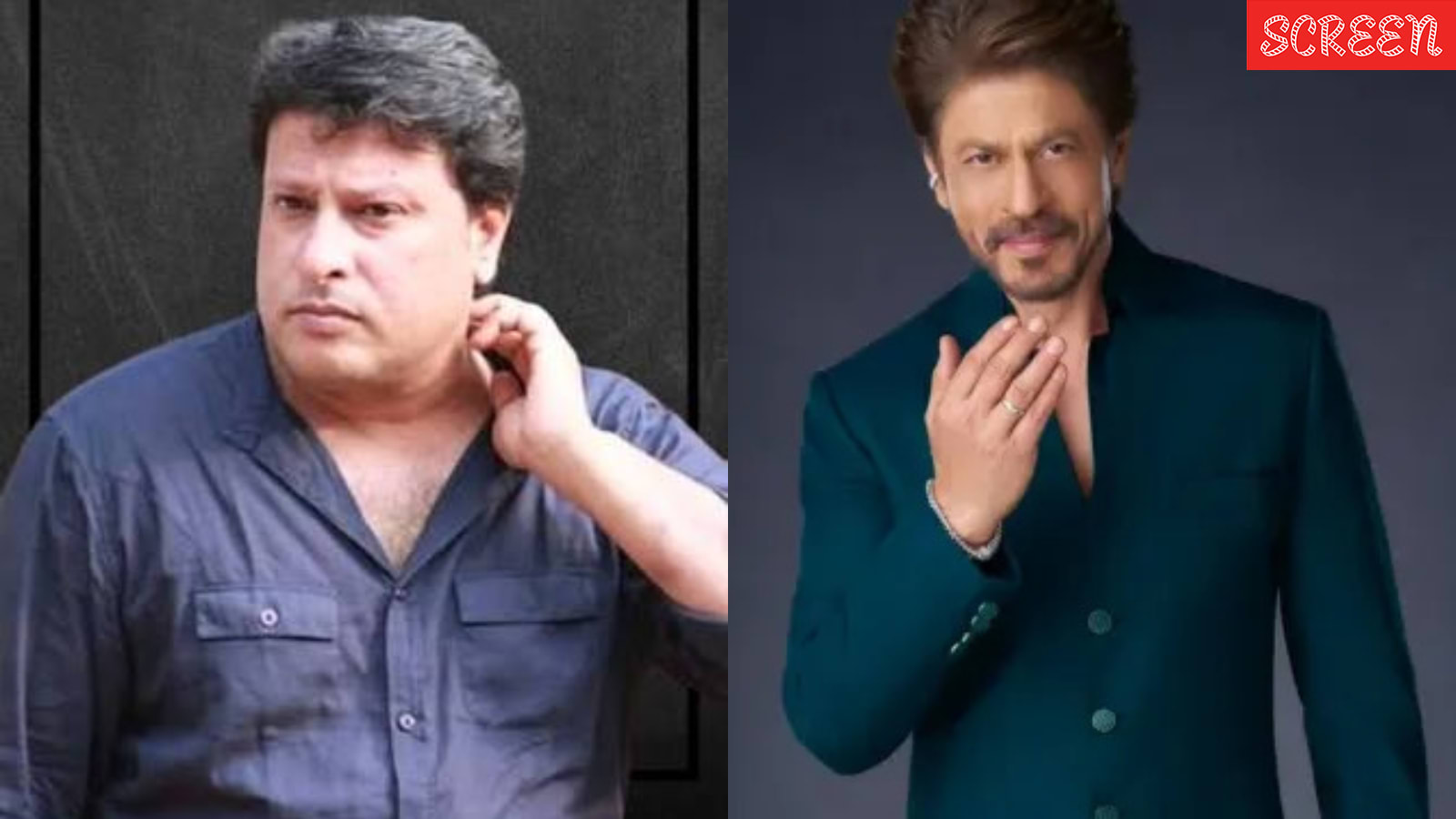
Filmmaker Tigmanshu Dhulia has sparked debate by criticizing the storytelling quality in modern blockbuster hits like the Dhurandhar franchise. Additionally, he revealed that Shah Rukh Khan turned down a role in his upcoming film Ghamasaan due to a preference against realistic cinema.
The Creative Philosophy of Tigmanshu Dhulia
Filmmaker Tigmanshu Dhulia, known for his grounded and gritty storytelling in projects like Paan Singh Tomar, has recently become the center of a discourse regarding the shifting landscape of Hindi cinema. During a recent event organized by The Wire centered on 'The State of Media and Film Industry,' Dhulia articulated a critique of contemporary blockbuster culture. He specifically singled out the successful Dhurandhar duology, starring Ranveer Singh, arguing that while these films possess immense entertainment value and visual spectacle, they suffer from a fundamental lack of narrative substance.
The Critique of Modern Blockbusters
Dhulia’s primary contention lies in what he perceives as the 'death of storytelling' within the Indian film industry. By reducing the plot of massive commercial hits like Dhurandhar to a simplistic, action-heavy premise—specifically citing a protagonist traveling to Pakistan to cause destruction—he highlights a growing disconnect between commercial success and narrative complexity. He suggests that the industry's shift toward corporate-driven models has led to the proliferation of 'fictional biopics' and formulaic templates, which prioritize spectacle over original, character-driven scripts.
Capitalism and the Decline of Narrative
Beyond just the Dhurandhar franchise, Dhulia links this trend to the broader influence of capitalism on creative output. By naming other massive hits like Pushpa and KGF, he suggests that the industry is becoming increasingly homogenized. This analysis posits that as films become larger financial products, the risks associated with unconventional or deeply realistic storytelling are minimized, leading to a landscape where high-grossing films often follow predictable, repetitive patterns that lack the depth found in traditional cinema.
Shah Rukh Khan and the Realistic Cinema Divide
In a separate revelation, Dhulia provided insight into the casting process of his upcoming film, Ghamasaan, starring Arshad Warsi and Pratik Gandhi. He disclosed that the role ultimately played by Gandhi was initially offered to superstar Shah Rukh Khan. According to Dhulia, the actor declined the project with a candid admission: 'Tishu, I don’t do realistic pictures.' This interaction underscores a significant divide in Bollywood between actors who prioritize the 'larger-than-life' persona and directors who seek to explore the nuances of realistic, grounded settings.
Implications for the Future of Hindi Cinema
This dichotomy between the commercial blockbuster and the realistic character study remains one of the most significant tensions in the Indian film industry. While Dhulia’s critique of the '₹3,000 crore' success stories highlights a frustration with the current state of creative originality, it also reflects the reality of an industry driven by audience demand for spectacle. As Dhulia continues to champion his specific brand of storytelling with Ghamasaan, the industry remains a battleground between those prioritizing narrative integrity and those catering to the demands of a high-capital, mass-market economy.
Conclusion
Ultimately, Tigmanshu Dhulia’s comments serve as a poignant reminder of the ongoing struggle to balance artistic vision with commercial viability. Whether the industry will see a resurgence of 'realistic' stories or continue down the path of massive, action-oriented franchises remains to be seen, but Dhulia’s outspoken stance ensures that the debate over what constitutes a 'good story' remains at the forefront of the cultural conversation.