‘Back to blue’: Hockey India reverses saffron jersey decision for Asiad after uproar
Source Entity
HIJAM RAJU SINGH
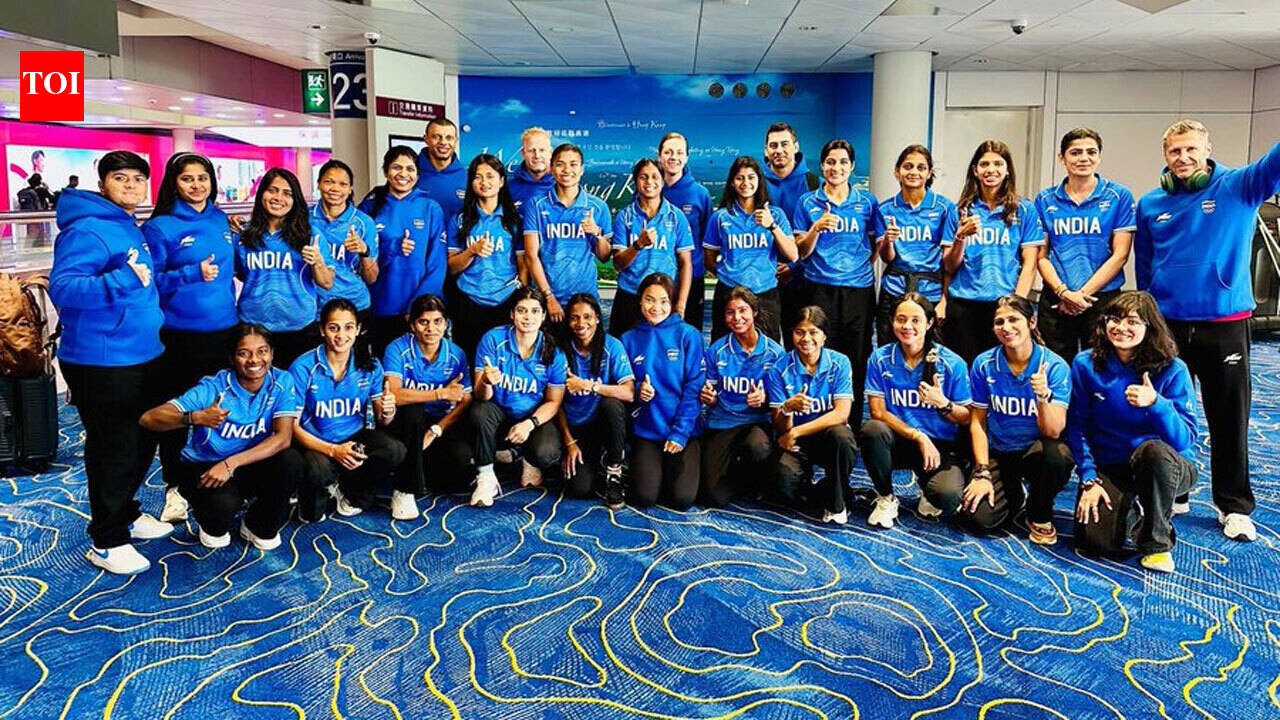
Hockey India has officially reverted to the traditional blue jersey for the 2026 Asian Games following public outcry over the use of saffron kits. The decision marks a return to the team's historical identity after the saffron color caused significant controversy during recent World Cup campaigns.
A Return to Tradition: Hockey India Reverts to Iconic Blue
In a significant development for Indian sports, Hockey India has confirmed that the men’s and women’s national teams will return to their traditional blue jerseys for the 2026 Asian Games in Japan. This decision serves as a direct reversal of the controversial move to adopt saffron as the primary kit during the recent World Cup campaigns held in Belgium and the Netherlands.
The Weight of Legacy
For nearly a century, the blue jersey has been synonymous with Indian hockey. Since the nation's Olympic debut in 1928, the color has represented the identity of the sport, transcending mere aesthetics to become a symbol of national pride and historical success. The sudden shift to saffron, while initially framed by Hockey India as a technical decision to contrast with the blue synthetic turf, failed to resonate with the sporting community. The backlash from former captains—including legends like Viren Rasquinha, Dhanraj Pillay, and Ajit Pal—highlighted a deep disconnect between administrative decisions and the cultural heritage of the sport.
Administrative Justification vs. Public Sentiment
Hockey India president Dilip Tirkey clarified that the saffron jersey was never intended to be a permanent fixture, noting that the federation had several color options at its disposal. The initial technical justification—aiming to prevent visual confusion between the players and the playing surface—was largely overshadowed by the emotional and traditional attachment fans and players hold for the classic blue. This episode underscores the ongoing challenge sports federations face when attempting to modernize team branding without alienating the core fanbase.
The Impact of Fan Engagement
The controversy serves as a case study in modern sports governance, where the voice of the fan base and the input of former players can directly influence policy. By listening to the “flak” received from enthusiasts, Hockey India has demonstrated a willingness to prioritize team morale and public support over experimental branding. This pivot back to tradition is expected to bolster team spirit as the squads prepare for the high-stakes environment of the Asian Games, where Olympic qualification remains the ultimate objective.
Future Implications for Branding
As Indian hockey looks toward the 2026 Asian Games, the focus will now shift back to the pitch. While saffron will remain in the kit rotation as a secondary option, the re-establishment of blue as the primary color provides a sense of continuity. Moving forward, this incident will likely encourage sports administrators to conduct more thorough consultations before implementing drastic changes to iconic national team identities, ensuring that technical utility does not come at the expense of historical continuity.
Multiple Citing Sources