Why shouldn’t National Sports Governance Act apply to BCCI, asks Supreme Court
Source Entity
DHANANJAY MAHAPATRA
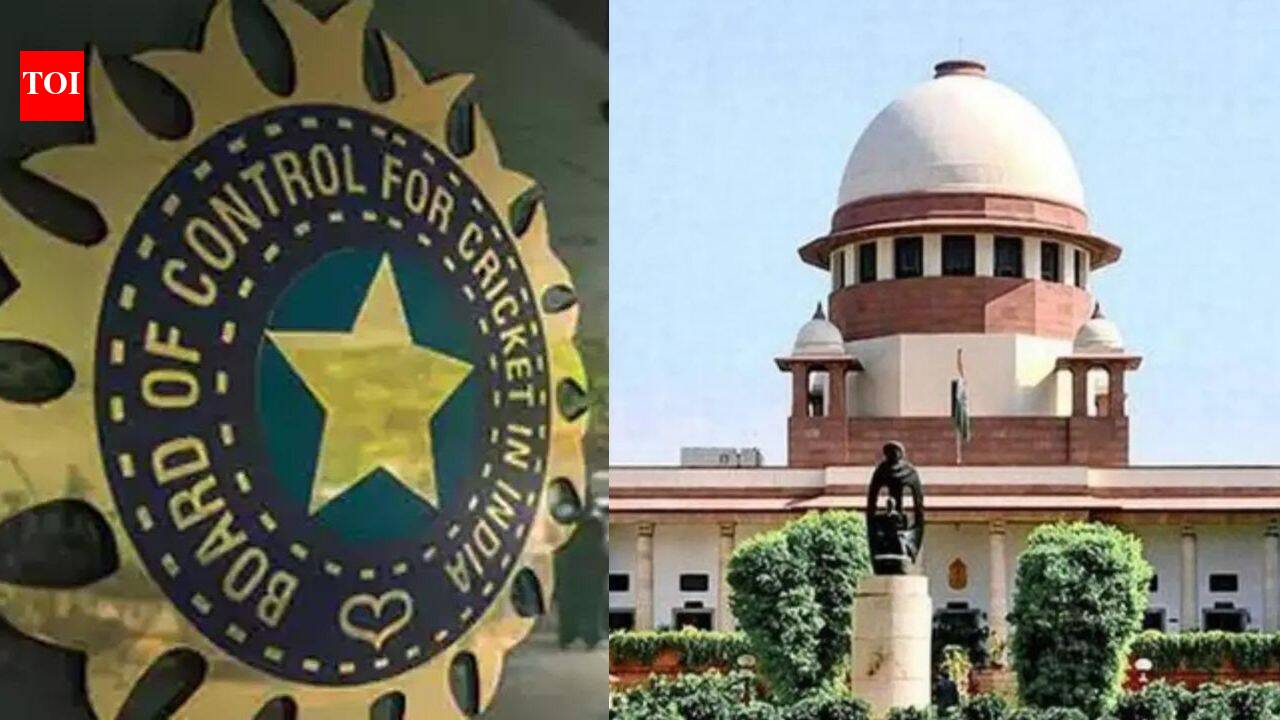
The Supreme Court of India has questioned why the BCCI and state cricket associations should not fall under the purview of the National Sports Governance Act, 2025. This move aims to resolve long-standing litigation and bring uniform accountability to cricket administration.
The Supreme Court’s Push for Uniform Governance in Indian Cricket
On September 8, 2026, a Supreme Court Bench led by Chief Justice Surya Kant, alongside Justices Joymalya Bagchi and V. Mohana, issued a significant query to the Board of Control for Cricket in India (BCCI) and various state cricket associations. The Court explicitly asked why these entities should not be governed by the National Sports Governance Act, 2025. This inquiry marks a pivotal moment in the ongoing legal discourse surrounding the regulation of India’s most popular sport, signaling a potential shift toward statutory oversight.
Resolving Decades of Legal Scrutiny
The judiciary has been deeply involved in the affairs of the BCCI since 2014, with a continuous stream of applications and petitions flooding the Supreme Court. This prolonged period of litigation has centered on issues of transparency, management, and the structure of cricket bodies. By questioning the applicability of the 2025 Act, the Court is seeking a definitive legal framework that could supersede the piecemeal judicial interventions that have characterized the last decade of cricket administration.
Implications of the National Sports Governance Act
The core of the Court's proposition lies in the potential for systemic reform. If the BCCI and its affiliated state units agree to adopt the provisions of the National Sports Governance Act, 2025, it would effectively move the resolution of internal disputes out of the Supreme Court and into a specialized sports tribunal. This transition would not only alleviate the burden on the apex court but also provide a standardized, institutionalized mechanism for handling grievances, thereby professionalizing the management of state-level associations.
Standardizing Accountability for Office Bearers
Beyond institutional structure, the Court has specifically requested that the BCCI take instructions regarding the terms and conditions of service for its office bearers. By aligning these terms with the 2025 Act, the judiciary aims to enforce a uniform code of conduct across the entire cricket hierarchy. This is a direct attempt to curb the inconsistencies in governance that have historically plagued state cricket associations, ensuring that leadership roles are governed by clear, statutory mandates rather than internal bylaws that may be prone to manipulation.
Future Trends and Judicial Oversight
This development suggests that the judiciary is moving toward a model of 'supervised autonomy' for sports bodies. While the BCCI has long maintained its independence, the Court’s insistence on the 2025 Act indicates that the era of total self-regulation is nearing its end. If successfully implemented, this move could set a precedent for other sports federations in India to follow, effectively bringing all national sports bodies under a unified, legally binding governance structure that prioritizes transparency and professional accountability above all else.
Multiple Citing Sources