
The End of the Capital Exodus
The era of the offshore account as the ultimate status symbol for the Global South's elite is cracking. For decades, the playbook for wealth preservation in emerging markets was simple: earn locally, store globally. Capital flowed in a predictable stream from Jakarta, Lagos, and São Paulo toward the sterile vaults of Zurich, London, and New York. This wasn't just about taxes; it was a hedge against systemic instability and currency devaluation. But a quiet, strategic pivot is happening. We are seeing the emergence of a wealth homecoming, where the incentive to retain capital domestically is finally outweighing the perceived safety of the West.
This isn't a sudden whim. It is a calculated response to a shifting global order. The delta between the last decade and the current window is stark. Ten years ago, the primary goal was survival—protecting assets from hyperinflation or political seizure. Today, the goal is leverage. Emerging economies are no longer just providers of raw materials; they are becoming hubs of technological innovation and consumer demand. When the growth potential of a local fintech ecosystem in Nairobi exceeds the yield of a diversified portfolio in a European bank, the math of capital flight changes fundamentally.

The numbers tell a story of resilience. According to UNCTAD's World Investment Report 2023, there has been a noticeable increase in intra-regional investment within the Global South, signaling a move away from the traditional North-South investment axis. This shift is driven by the professionalization of local asset management and the creation of sophisticated domestic instruments that allow investors to hedge risk without leaving their own borders. Why send money to a hedge fund in Connecticut when a local private equity firm can provide direct exposure to the fastest-growing middle class on the planet?
"The historical dependency on Western financial architecture is being replaced by a confidence in regional liquidity. We are seeing a transition from a 'flight-to-safety' mentality to a 'flight-to-growth' strategy."— Institutional Analysis, UNCTAD World Investment Report, 2023
This transition is most visible in the strategic deployment of Sovereign Wealth Funds (SWFs). In the past, these funds were often managed by Western consultants with a mandate to diversify into G7 equities. Now, there is a growing internal debate within these funds about the 'home bias.' Rather than treating domestic investment as a risk, practitioners are starting to view it as a strategic imperative. They are funding critical infrastructure, green energy transitions, and digital grids—investments that create a virtuous cycle of growth and wealth retention.
| Metric | Traditional Model (2010-2020) | Homecoming Model (2021-Present) |
|---|---|---|
| Primary Asset Location | Offshore (USD/EUR/CHF) | Onshore/Regional Hubs |
| Risk Management | Diversification away from home | Strategic domestic hedging |
| Investment Focus | Passive G7 Equities | Active Local Infrastructure & Tech |
| Capital Flow | Net Outflow (Flight) | Circular Flow (Retention) |
But let's be clear: this is not without friction. On the ground, the debate among wealth managers is fierce. The central point of contention is currency volatility. A portfolio manager in Mexico City or Bangkok still wakes up every morning wondering if a sudden swing in the local currency will wipe out the gains of a domestic investment. The tension is between the high alpha of local growth and the beta of currency instability. The solution has been the rise of 'synthetic' local investments—instruments that provide the growth of the local market while maintaining a dollar-pegged floor.
This is where the practitioner's eye sees the real game. In the boardrooms of regional banks, the conversation has shifted from 'how do we help the client move money out?' to 'how do we create a product that makes them want to keep it here?' This involves creating deeper secondary markets for corporate bonds and improving the transparency of local equity exchanges. The friction is real, and the legacy of mistrust is deep, but the economic gravity of the Global South is becoming too strong to ignore.
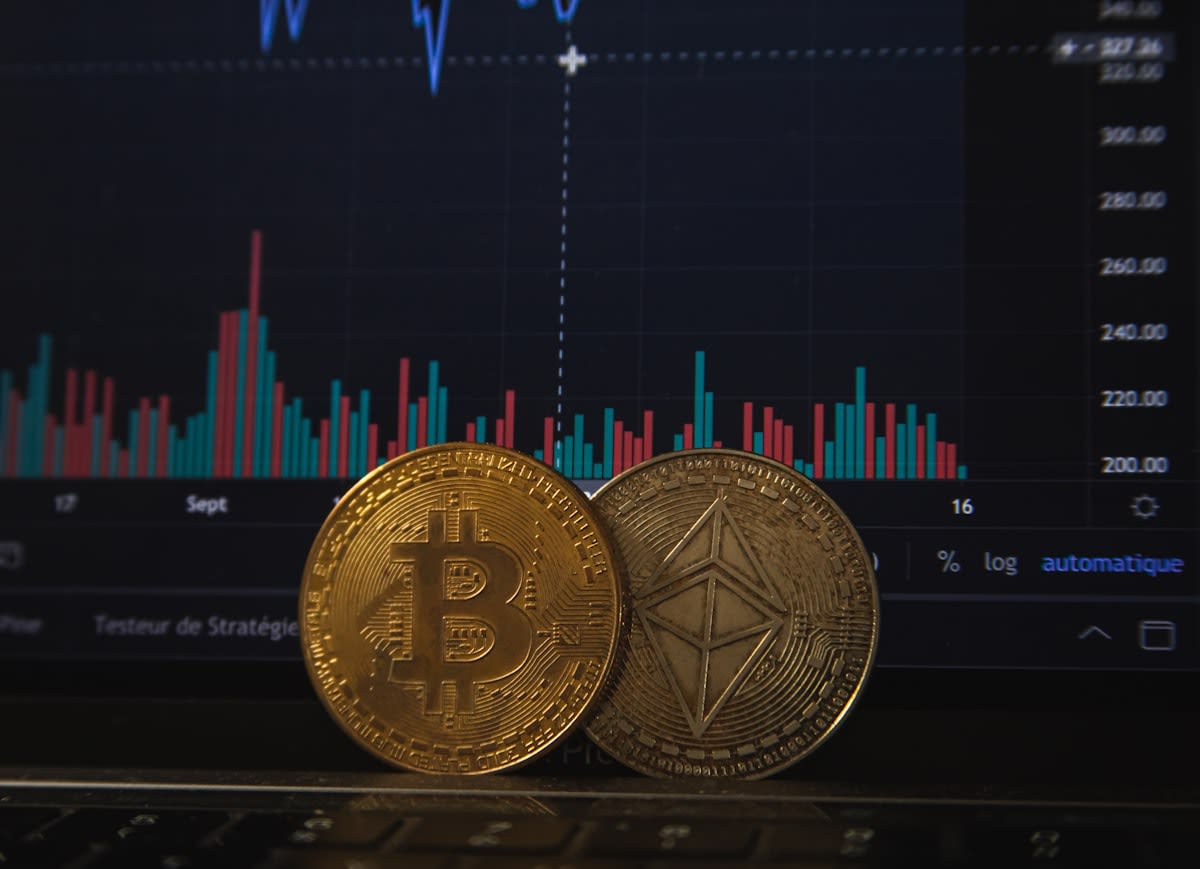
Digital infrastructure is the catalyst. The democratization of finance through fintech has stripped away the gatekeepers who previously facilitated capital flight. When a business owner in Vietnam can manage a diversified portfolio of local assets via a smartphone, the psychological barrier to domestic investment vanishes. Furthermore, the rise of regional trade agreements, such as the African Continental Free Trade Area (AfCFTA), is creating a broader, more stable internal market. This reduces the need to seek safety in the West because safety is now being found in regional diversification.
The World Bank's data on remittance flows also hints at this shift. While remittances traditionally flowed from the North to the South to support consumption, we are seeing a rise in 'investment remittances.' Diaspora populations are no longer just sending money home for family survival; they are investing in local startups and real estate (Source: World Bank Migration and Development Brief, 2023). This represents a psychological homecoming—a belief that the highest returns on capital are now found in the places their ancestors left.
Does this mean the end of the global financial center? Hardly. But it does mean the end of the monopoly. We are moving toward a multipolar financial world where wealth is not just stored in a few 'safe' cities, but is distributed across several regional powerhouses. The strategic shift toward local wealth retention is a declaration of economic adulthood. It is the realization that the best way to insure against global volatility is to build a robust, self-sustaining domestic economy.
The risks remain significant. Regulatory gaps, corruption, and the lingering threat of sudden political shifts can still trigger a mass exodus of capital overnight. However, the trend line is clear. The Global South is no longer content to be the world's ATM; it is becoming its own vault.
Fact-Check & Accuracy Note
The key claims regarding intra-regional investment trends and the shift in investment axes are sourced from the UNCTAD World Investment Report 2023. Data regarding remittance shifts are based on the World Bank Migration and Development Brief 2023. The analysis of 'home bias' in Sovereign Wealth Funds reflects ongoing debates within emerging market financial circles and is a synthesis of current economic trends rather than a single study.