Do backward classes have political representation? Odisha panel to find out
Source Entity
Sujit Bisoyi
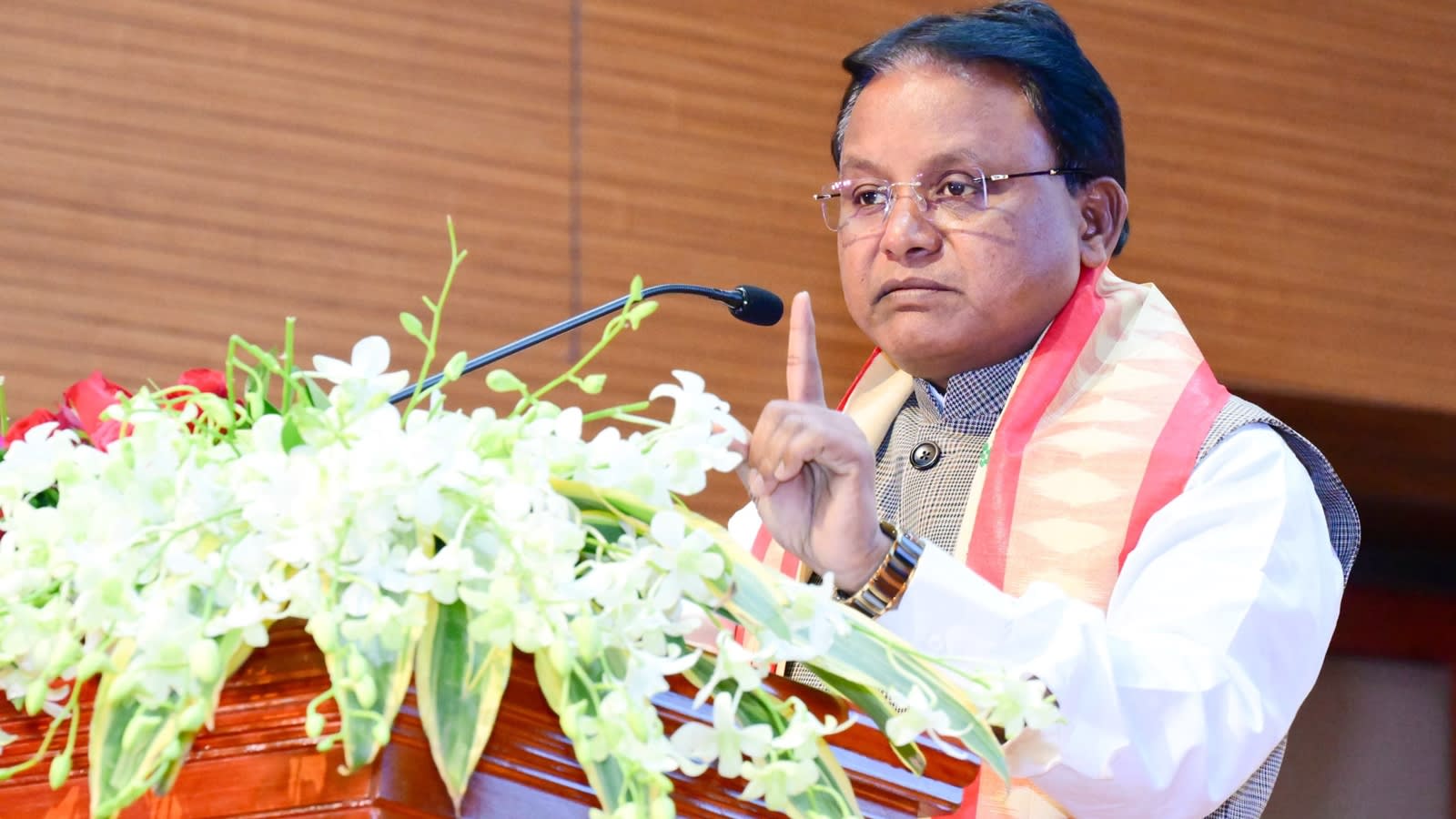
The Odisha government has established a commission led by Justice Pramath Patnaik to evaluate the political representation of Socially and Educationally Backward Classes (SEBCs). This study, ahead of upcoming local elections, aims to assess the alignment between SEBC population shares and their role in local governance.
Odisha Launches Commission to Evaluate SEBC Political Representation
In a strategic move to address potential systemic disparities, the Odisha government has formally constituted a dedicated commission to investigate the political status of Socially and Educationally Backward Classes (SEBCs). Chaired by retired High Court judge Justice Pramath Patnaik, the panel is tasked with conducting a rigorous study into the "nature and implications of political backwardness" within this demographic segment, which constitutes a substantial portion of the state's citizenry.
Mandate and Composition of the Panel
The commission’s scope is comprehensive, focusing on the numerical strength of SEBCs in both rural and urban landscapes and comparing these figures against their actual presence in local self-government institutions. Beyond Justice Patnaik, the panel includes retired IAS officer Bijay Kumar Prusty and Member-Secretary Sujata Mishra, representing the ST and SC Development, Minorities and Backward Classes Welfare Department. This administrative structure suggests a formal, evidence-based approach to policy-making regarding reservation and representation.
The Timing and Political Context
The timing of this initiative is particularly critical, as it coincides with the lead-up to panchayat and urban local body elections scheduled for next year. By initiating this study under the approval of Chief Minister Mohan Charan Majhi, the government is signaling an intent to utilize data-driven insights to inform electoral strategies and address potential grievances regarding political exclusion before voters head to the polls.
Analyzing 'Political Backwardness'
The focus on "political backwardness" marks a specific administrative interest in moving beyond mere economic or educational metrics. By assessing whether SEBC representation in local bodies is commensurate with their population share, the government is attempting to audit the efficacy of existing democratic institutions in providing equitable voice to all segments of society. This study will likely serve as a foundational document for future legislative or executive actions aimed at rectifying imbalances.
Broader Implications and Future Trends
This move by the Odisha government reflects a broader national trend in India, where state governments are increasingly focusing on the socio-political integration of backward classes through formal, high-level commissions. Should the commission find a significant gap between population density and political office-holding, it could lead to policy shifts regarding local reservation quotas. As the state moves toward the upcoming local elections, the findings of this panel will likely become a central pillar of political discourse, influencing how political parties engage with their constituencies and frame their agendas for the future.
Multiple Citing Sources