Protect the referee, even as you question the decision
Source Entity
Shashank R Joshi
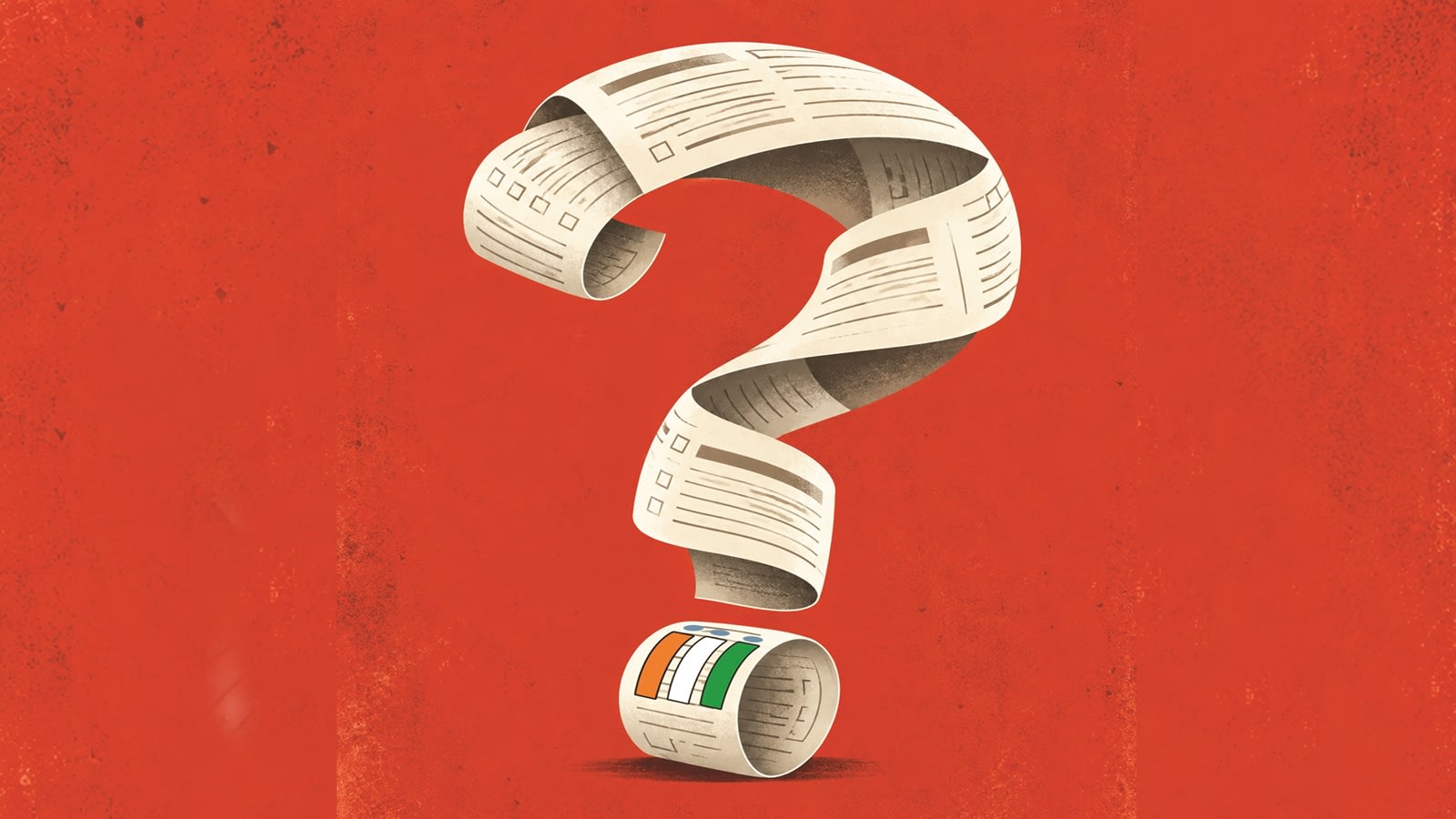
The Election Commission of India functions as the impartial referee of democracy, essential for maintaining the integrity of the electoral process. Protecting its institutional autonomy is fundamental to ensuring fair elections, as reflected in historical governance principles.
The Institutional Sanctity of the Election Commission
In the grand theater of democratic governance, the Election Commission of India (ECI) occupies a role analogous to the referee in a high-stakes sporting match. Just as a game loses its meaning and legitimacy when the impartiality of the official is compromised or attacked, a democracy falters when its primary arbiter of fairness is subjected to undue abuse. The current discourse surrounding the ECI suggests a critical need to distinguish between healthy criticism of policy and the erosion of the institution itself.
Historical Foundations of Impartiality
The necessity for an independent body to oversee the will of the people is not a modern bureaucratic invention but a principle rooted in ancient wisdom. Drawing from the Rig Veda, we observe a foundational structure where the samiti (the people/voters) and the sabha (the council of elders/impartial arbiters) existed in a symbiotic relationship. The sabha functioned not as a seat of coercive power or military might, but as a bastion of learned, impartial oversight designed specifically to ensure that the samiti could deliberate and choose without interference.
The Sabha and Samiti Paradigm
Historical precedents from Rome and Greece, alongside the Vedic tradition, underscore that the health of a civilization is measured by the strength of its institutions. The prayer from the Atharva Veda, Sabha cha me samiti cha ma avatu, highlights the vital importance of the sabha protecting the samiti. If the sabha lacks the authority or the respect to function impartially, the entire mechanism of self-governance collapses. In the modern Indian context, the ECI serves as this sabha, tasked with the heavy burden of mediating the democratic process.
The Danger of Institutional Abuse
When we abuse the referee, we are not merely venting frustration at a specific decision; we are undermining the very infrastructure that allows the contest to occur. In sports, if players and spectators abuse the referee until the game is abandoned, the result is chaos and the failure of the sport. Similarly, when the ECI is perceived merely as a partisan bureaucracy rather than a core pillar of democracy, the public trust essential for electoral legitimacy begins to evaporate. Protecting the referee is not an endorsement of any particular party's agenda; it is a defense of the rules of the game.
Sustaining Democracy Through Respect
To ensure the future of Indian democracy, there must be a renewed focus on maintaining the sanctity of the ECI. This does not preclude accountability, but it necessitates a shift in tone. For a democracy to thrive, the arbiters must remain above the fray, and the participants must respect the boundaries of the institution. By upholding the dignity of the ECI, the nation ensures that the 'game' of democracy remains viable for generations to come, preventing the slide toward institutional decay that has plagued historical societies lacking such impartial oversight.