Organisations engaged in religious conversion shall be denied FCRA registration: Madras HC
Source Entity
India Latest News: Top National Headlines Today & Breaking News | The Hindu
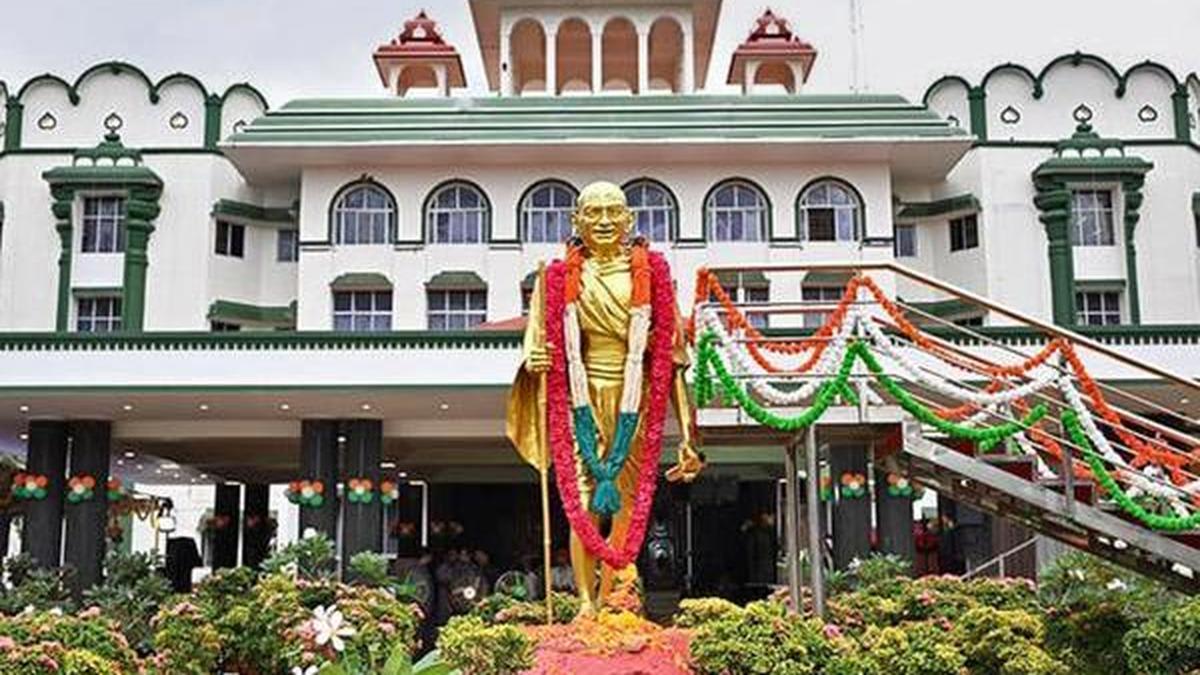
The Madras High Court has ruled that organizations involved in religious conversion are ineligible for FCRA registration to protect national secular fabric. Meanwhile, the Chhattisgarh High Court is reviewing the constitutionality of the state's 2026 anti-conversion laws amid concerns over personal liberty.
Legal Scrutiny of Religious Conversion and Foreign Funding
Recent judicial developments in India have brought the intersection of religious practice, state regulation, and foreign funding into sharp focus. The Madurai Bench of the Madras High Court recently delivered a significant verdict regarding the Foreign Contribution Regulation Act (FCRA), stipulating that organizations involved in religious conversions are ineligible for registration. This decision emphasizes the judiciary's role in safeguarding the nation's secular fabric and maintaining social amity by restricting foreign financial influence in sensitive religious spheres.
The Madras High Court Ruling on FCRA
The case originated from an appeal by the Kanzeon Public Charitable Trust, which sought registration under the FCRA 2010 after being denied by authorities. Despite the trust holding valid registrations under the Income Tax Act, the court upheld the denial, establishing a clear precedent: access to foreign capital for religious organizations is contingent upon ensuring that their activities do not disrupt the social equilibrium or secular character of the country. This ruling reinforces the government's regulatory authority to monitor the flow of foreign funds to ensure they do not facilitate agendas that could undermine national interests.
Challenges in Chhattisgarh
Simultaneously, the legal landscape surrounding religious conversion is evolving in Chhattisgarh, where the High Court has initiated a review of the 'Chhattisgarh Freedom of Religion Act, 2026'. Petitioners are challenging the constitutional validity of this law and its associated rules, arguing that they infringe upon fundamental rights including the freedom of conscience, privacy, and personal liberty. The court has granted the state government three weeks to provide a formal response to these allegations.
The Constitutional Conflict
At the heart of the Chhattisgarh petition is the argument that an individual’s faith should not be subject to state approval or intrusive procedural requirements. Legal experts argue that requiring prior state sanction for conversion places an undue burden on personal autonomy. By contrast, the state’s legislative stance often frames these laws as necessary measures to prevent forced or fraudulent conversions, leading to a direct clash between state police power and individual constitutional guarantees.
Broader Implications for Secularism
These two judicial events, while distinct in their legal mechanisms, reflect a broader national debate on the definition and protection of secularism in India. The Madras High Court’s focus on 'social amity' in the context of foreign funding suggests that the judiciary is increasingly viewing religious activities through the lens of national security and social stability. As these cases proceed, they are likely to set definitive boundaries for how the state can regulate religious expression and financial support from abroad.
Future Trends in Religious Regulation
Looking ahead, the tension between state-led regulatory frameworks and the constitutional right to religious freedom will likely remain a focal point of Indian jurisprudence. The final outcome of the Chhattisgarh case, in particular, will serve as a bellwether for how other states might structure their own anti-conversion statutes. As the courts continue to balance individual liberties with the state's interest in maintaining public order, the legal definition of 'secular fabric' will continue to be refined, impacting the operational environment for charitable and religious institutions nationwide.
Multiple Citing Sources
Verification Required?