'Jonathan' is the oldest land animal on Earth
Source Entity
Hacker News
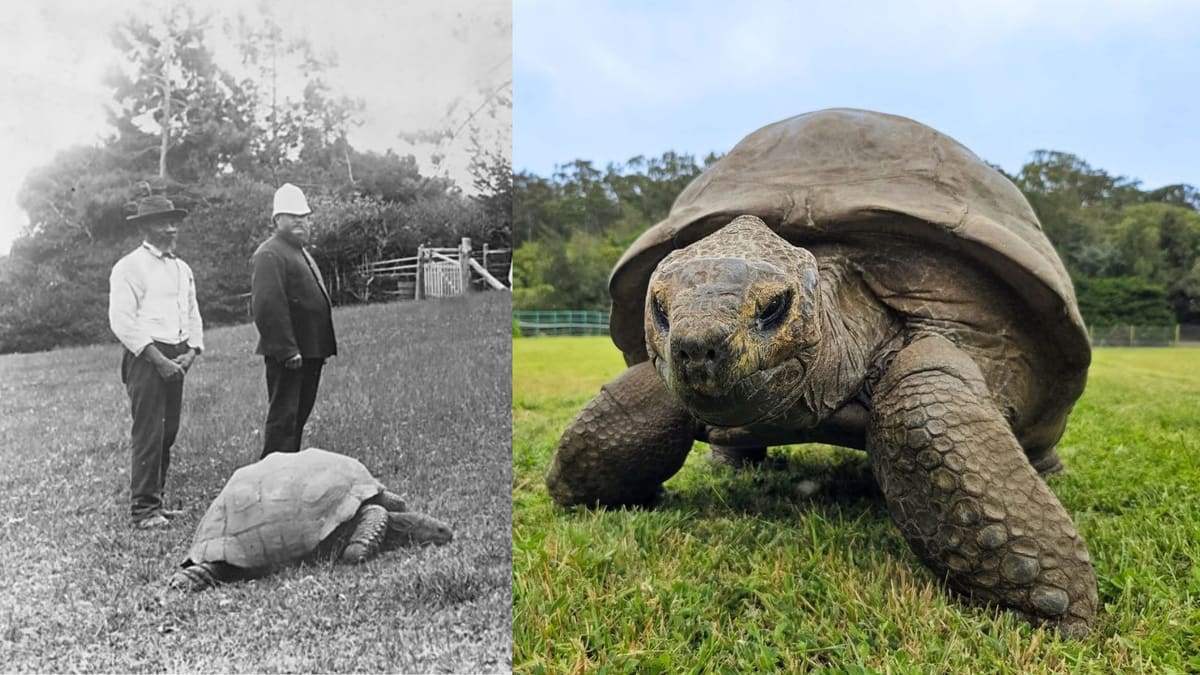
Scientists have sequenced the genome of Jonathan, a 194-year-old Aldabra giant tortoise, to uncover the secrets of his extreme longevity. This research offers new insights into the genetic markers associated with aging and species survival.
Unlocking the Genetic Secrets of the World's Oldest Land Animal
Jonathan, an Aldabra giant tortoise (Aldabrachelys gigantea), has officially cemented his status as a living biological wonder. At an estimated age of 194, he is recognized as the oldest living land animal on Earth. Recently, a landmark study published in Science Advances has provided a new scientific lens through which to view his longevity: the first-ever sequencing of his genome. By mapping his genetic makeup, researchers are beginning to decode the biological mechanisms that allow this species to thrive for nearly two centuries.
A Historical Perspective on a Living Relic
To understand the magnitude of Jonathan's lifespan, one must look at his historical context. Hatched around 1832 in the Seychelles, Jonathan predates some of the most significant scientific milestones in human history, including the publication of Charles Darwin’s On the Origin of Species. His journey to the island of Saint Helena in the 1880s, where he served as a gift to the British colonial governor, marks the beginning of his tenure on the remote South Atlantic territory. He has witnessed over a century of human history, surviving long past the average lifespan of his peers.
The Science of Longevity
Aldabra giant tortoises are known for their ability to become centenarians, but Jonathan represents an extreme outlier even within his own species. The recent genomic sequencing project sought to identify specific genetic variants that might contribute to his extraordinary health span. By comparing his genome to other long-lived species, scientists are looking for signatures of DNA repair, immune response, and metabolic stability. These findings are crucial, as they could eventually inform our understanding of aging processes in other animals, including humans.
Implications for Evolutionary Biology
This study is not merely about a single tortoise; it provides vital data for conservation biology. Understanding how the Aldabrachelys gigantea genome has evolved to facilitate such extreme longevity allows scientists to better grasp how these animals adapt to environmental stressors. As climate change and habitat loss threaten various species, the genetic resilience displayed by Jonathan offers a blueprint for how longevity traits might be preserved and protected in wild populations.
Future Trends in Genomic Research
Looking ahead, the success of sequencing Jonathan’s genome paves the way for further comparative genomics. Future research will likely focus on how specific gene expressions in tortoises correlate with their slow aging process. As technology advances, the ability to pinpoint these 'longevity genes' will become more precise, potentially transforming our approach to regenerative medicine and gerontology in the coming decades.
Conclusion
Jonathan remains a symbol of biological endurance. His continued existence on Saint Helena, coupled with the new insights from his genomic data, provides a unique opportunity to study the upper limits of vertebrate life. As science continues to bridge the gap between his historic life and modern genetic mapping, Jonathan stands as a testament to the fascinating, resilient nature of life on Earth.