Up to 30 per cent of cotton area under ‘illegal’ GM hybrids, finds study
Source Entity
Harish Damodaran
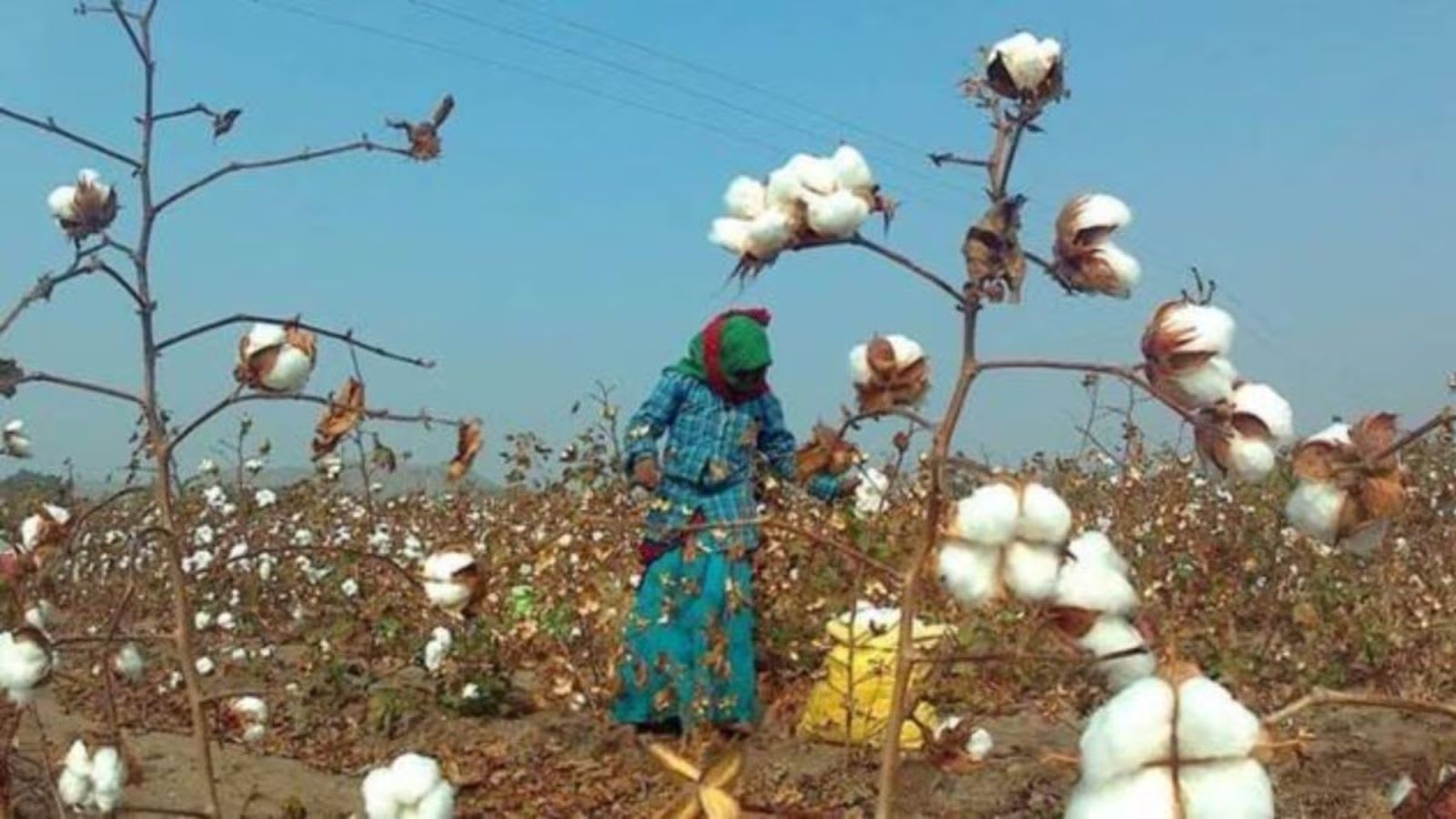
A recent industry study reveals that nearly 30% of India's cotton cultivation area uses unauthorized GM hybrids. These illegal seeds, which often include herbicide-tolerant traits, raise significant regulatory and agricultural concerns.
The Rise of Unauthorized GM Cotton in India
Recent data commissioned by the Federation of Seed Industry of India (FSII) and the National Seed Association of India (NSAI) has uncovered a significant shift in the agricultural landscape: approximately 24% to 30% of India's total cotton acreage is now occupied by "illegal" genetically modified (GM) hybrids. Out of the 114.8 lakh hectares sown in the 2025-26 season, nearly 29 lakh hectares utilize seeds containing unauthorized gene traits. This trend highlights a widening gap between official regulatory frameworks and the practical realities faced by farmers on the ground.
Understanding the Regulatory Framework
Currently, India maintains a strict approval process for GM crops, permitting only specific hybrids that incorporate two genes—cry1Ac and cry2Ab—derived from the soil bacterium Bacillus thuringiensis (Bt). These approved varieties are designed to provide resistance against the bollworm pest. The presence of unapproved traits, particularly those conferring herbicide tolerance (HT) or additional Bt-related modifications, indicates a burgeoning parallel market for seeds that bypass the Genetic Engineering Appraisal Committee’s oversight.
The Allure of Herbicide Tolerance
The proliferation of these unauthorized seeds is largely driven by the demand for herbicide-tolerant (HT) traits. Weeds represent a massive cost burden for Indian cotton farmers, both in terms of labor and chemical application. By planting seeds engineered to withstand glyphosate, farmers can streamline their weed management practices. However, the use of these unapproved traits introduces significant ecological and regulatory risks, as the environmental impact of widespread glyphosate use in these specific hybrid contexts has not been formally vetted by Indian authorities.
Socio-Economic Implications
This phenomenon reflects a complex socio-economic reality where farmers prioritize immediate productivity and cost-reduction over regulatory compliance. When official channels fail to provide the technological advancements farmers feel are necessary for competitiveness, informal markets often step in to fill the void. This creates a difficult cycle: the use of illegal seeds complicates the tracking of crop health, potential cross-pollination risks, and the long-term sustainability of the cotton sector’s genetic diversity.
Future Trends and Policy Challenges
As these unauthorized hybrids gain a larger foothold, the government and seed industry stakeholders face a mounting challenge in enforcement and policy adaptation. Moving forward, the industry must address whether current regulatory pathways are too restrictive or if the demand for HT technology necessitates a faster, more transparent approval process. Failure to address this could lead to further erosion of the formal seed economy, making it increasingly difficult for regulators to maintain control over the nation’s agricultural biotechnology standards.
Conclusion
The dominance of unauthorized GM cotton across nearly a third of India's cotton fields is a watershed moment for agricultural policy. Balancing the urgent need for technological innovation with the necessity of rigorous safety standards will be the defining challenge for Indian agriculture in the coming years. Policymakers must now decide whether to integrate these widely-used traits into the formal system or intensify efforts to curb the growth of the shadow seed market.