
The Illusion of Linear Progress
Capital is no longer the bottleneck. In 2025, the Asia-Pacific region attracted a record $68.6 billion in renewable energy infrastructure investment, a 17% increase from the previous year. Yet, this flood of liquidity is hitting a wall of operational incompetence. Developers are reporting the world's least efficient procurement processes, where fragmented tenders and grid constraints act as a tax on progress. Does it matter how much capital you have if the grid cannot absorb the power or the contracts are too risky to sign?
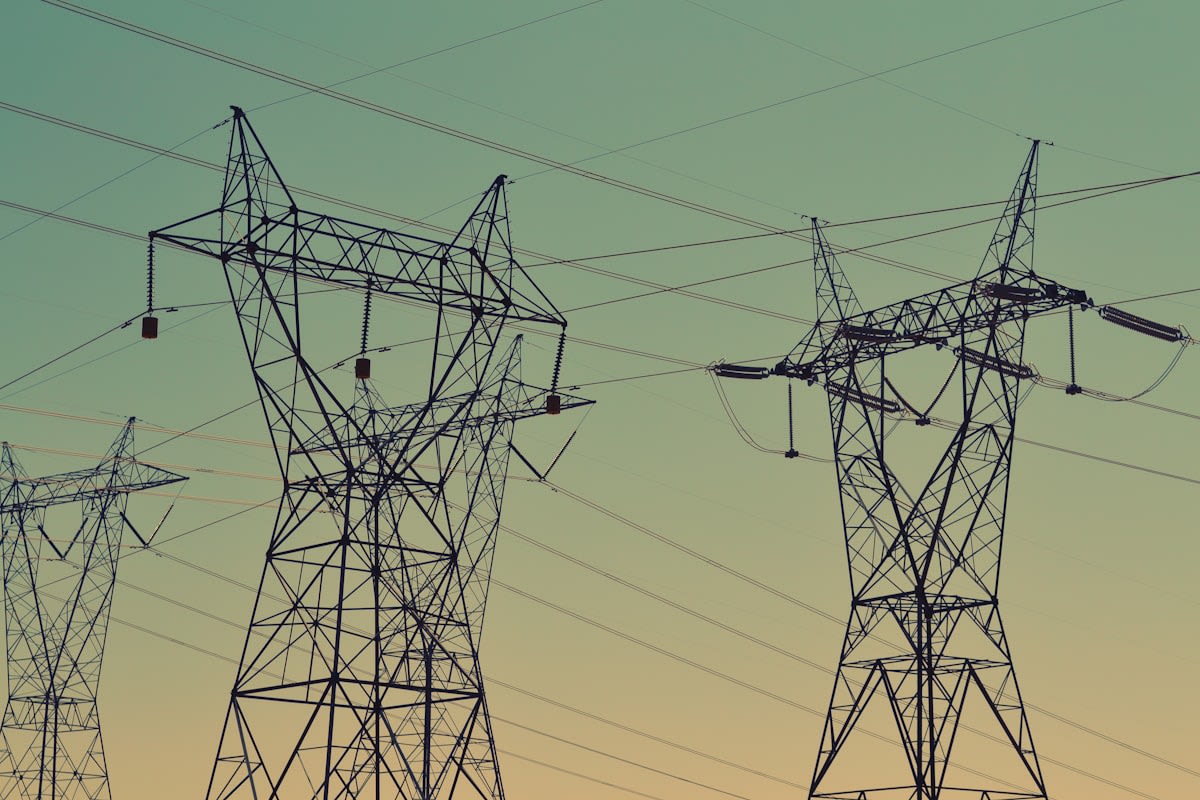
The Legislative Gap
The SHANTI Act of December 2025 dismantled a state monopoly held since 1962, theoretically opening the floodgates for private nuclear investment. However, removing a legal prohibition is not the same as building a market.
Consider the nuclear ambition: India aims for 100 GW of capacity by 2047. To reach this, the state must mobilize $210 billion to add 90 GW to its current 9 GW base. This requires a tenfold increase in deployment speed. While the policy is there, the commercial scaffold—the actual machinery of private-sector execution—is missing. We see a similar pattern in the renewable sector, where investment growth is high, but delivery is sluggish.
The scale of ambition is undeniable, yet the delivery mechanisms remain archaic.
The High-Stakes Infrastructure Gamble
India is betting heavily on physical assets to drive competitiveness. The Indian Railways spent over Rs 840 billion in just April and May of the current financial year, consuming nearly 30% of its Rs 2.93 trillion annual capital expenditure budget in two months. This includes the Kavach collision avoidance system and the expansion of the Tatanagar-Adityapur corridor. It is a brute-force approach to modernization.
| Sector | Key Metric | Target/Value | Constraint |
|---|---|---|---|
| Nuclear Energy | Capacity by 2047 | 100 GW | Missing commercial scaffold |
| Railways | FY26-27 Capex | Rs 2.93 trillion | Operational deployment speed |
| Renewables (APAC) | 2025 Investment | $68.6 billion | Fragmented procurement |
| Industrial M&A | 2026 Volume Growth | 2% | Automation adoption lag |
"You need to have a large volume of tenders to allow the industry to scale, and very fragmented procurement makes it difficult."— Edward Zhao, Univers Pte. Ltd.
This friction is not unique to India, but it manifests differently across the region. While Tokyo might struggle with aging urban grids, the challenge in emerging hubs is the lack of standardized procurement. When every tender is a bespoke negotiation, scalability dies. This is the hidden tax on the Asia-Pacific industrial rebirth.
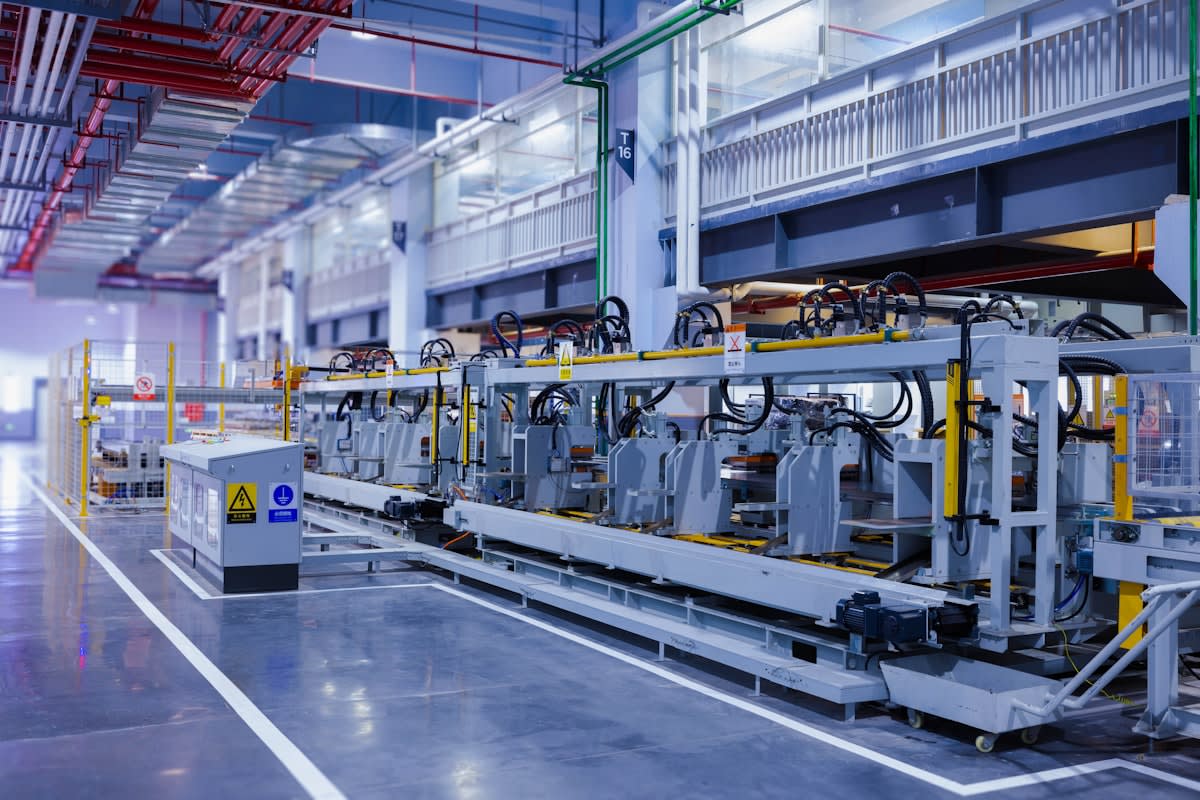
The push for self-reliance is manifesting in massive land acquisitions and high-tech partnerships. Amber Enterprises is developing 116 acres in Uttar Pradesh for PCB and AC manufacturing, specifically targeting High-Density Interconnect (HDI) PCBs to cut import reliance. Similarly, the maiden flight of the made-in-India C-295 aircraft and the induction of ships like the INS Dunagiri signal a move toward aerospace and naval autonomy.
However, the real victory will not be measured in acres of land or the number of ships launched, but in the efficiency of the supply chain. PwC notes that while industrial deal volumes in APAC are expected to rise by 2% in 2026, the real driver is automation. The median share of manufacturers with highly automated processes is projected to climb from 18% to 50% by 2030.
The Fragility of Hardware-First Strategy
Is the obsession with building plants and buying ships a distraction from the need for systemic regulatory reform? The Union Steel Minister's urge for tech adoption to boost competitiveness is a recognition that raw capacity is no longer a moat. In a global market, the winner is not the one with the most steel, but the one who can move it through the most efficient logistics and procurement network. The current strategy is a race to build the engine while the transmission is still broken.