
The Erasure of the Human Bridge
Jakarta hubs are purging. This process utilizes Agentic AI platforms to automate decision-making at the operational level. Schneider Electric’s $3.1 billion acquisition of Cognite on June 30, 2026, signals the end of the human coordinator. Knowledge graphs now handle the contextualization that once required a salaried manager. Corporate efficiency is no longer a goal; it is a programmed certainty.
Data is the new supervisor. Sensors with metal housings are proliferating across these hubs, with market growth accelerating toward 2035. These devices feed raw, unfiltered telemetry into the Dark Horse time-series models. Human interpretation is now a bottleneck. Decisions happen in milliseconds, rendering the weekly management meeting a relic of the analog era.
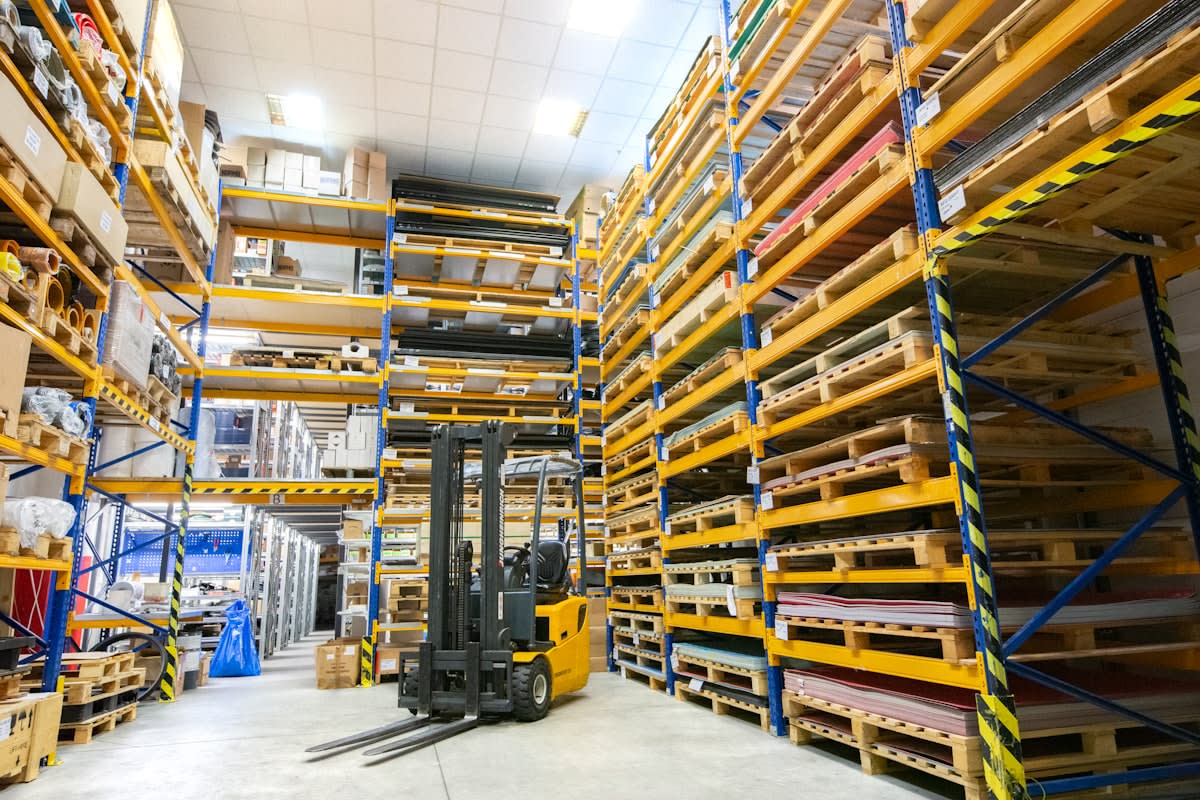
Consider the disparity in failure. A firmware bug in Taipei causes a precise, traceable halt in a semiconductor line. Jakarta hubs previously relied on middle managers to navigate the chaos of local infrastructure and logistics. Now, software-defined manufacturing designs, similar to those deployed by Rockwell Automation and Cisco in India on July 3, 2026, remove that human layer. The software manages the chaos.
The Technical Trigger
The Dark Horse model specifically targets time-series data, allowing AI to predict mechanical failure before a human operator even notices a vibration change. This eliminates the need for a maintenance manager to schedule inspections based on guesswork.
Middle managers are essentially data translators. They take raw reports and turn them into summaries for executives. Cognite's Data Fusion platform does this automatically by decoupling data and contextualizing it via a GenAI UI. Why pay a manager to summarize a spreadsheet when a knowledge graph does it in real-time? The economic incentive to delete these roles is absolute.
The Structural Displacement of Oversight
Software-defined manufacturing is the catalyst. Rockwell Automation and Cisco’s recent collaboration in India focuses on a Full-Stack reference design that integrates IT and industrial automation. This integration removes the friction between the server room and the factory floor. Managers who previously spent their days mediating between these two worlds are now redundant. Their role was a symptom of fragmented technology.
Local expertise is being commoditized. In the past, a Jakarta hub manager was valued for their knowledge of local vendors and regional quirks. Today, Agentic AI platforms ingest this environmental data and optimize it. The resulting efficiency gains far outweigh the loss of local institutional memory. Logic dictates that a programmed optimization is superior to a human relationship.
| Management Function | Legacy Human Method | Agentic AI Method | Headcount Impact |
|---|---|---|---|
| Root Cause Analysis | Manual investigation/Interviews | Knowledge Graph Query | High Reduction |
| Resource Allocation | Weekly planning meetings | Real-time Telemetry Optimization | Total Erasure |
| IT/OT Coordination | Cross-departmental emails | Software-Defined Integration | Moderate Reduction |
| Performance Reporting | Manual KPI dashboards | GenAI UI Automated Synthesis | High Reduction |
Capital is flowing away from people. Schneider Electric’s $3.1 billion bet on Cognite isn't about improving the worker's life. It is about removing the worker from the decision loop. When an AI can create its own workflows and mini-apps, the need for a supervisor to design a process vanishes. The process designs itself based on the objective of maximum throughput.
"The middle manager is a legacy interface. We are replacing a slow, biological API with a high-speed digital one. The result is not just speed, but the removal of human error from the industrial equation."— Strategic Analyst, Industrial Automation Sector
Observe the global reorientation. Semiconductor suppliers are moving to the US, as noted by TechForce Robotics, creating a void in traditional Southeast Asian leadership structures. This void is not being filled by new managers. Instead, it is being filled by AI-enhanced robotics and automation. The movement of hardware is accompanied by the deletion of management.
Regulatory rigor adds another layer of pressure. In markets like Turkey, the requirement for UBB registration and ÜTS tracking for implants demands a level of precision that humans struggle to maintain. When these standards migrate to Jakarta's medical and industrial hubs, the margin for human error becomes unacceptable. Automation is the only way to guarantee compliance without increasing payroll.
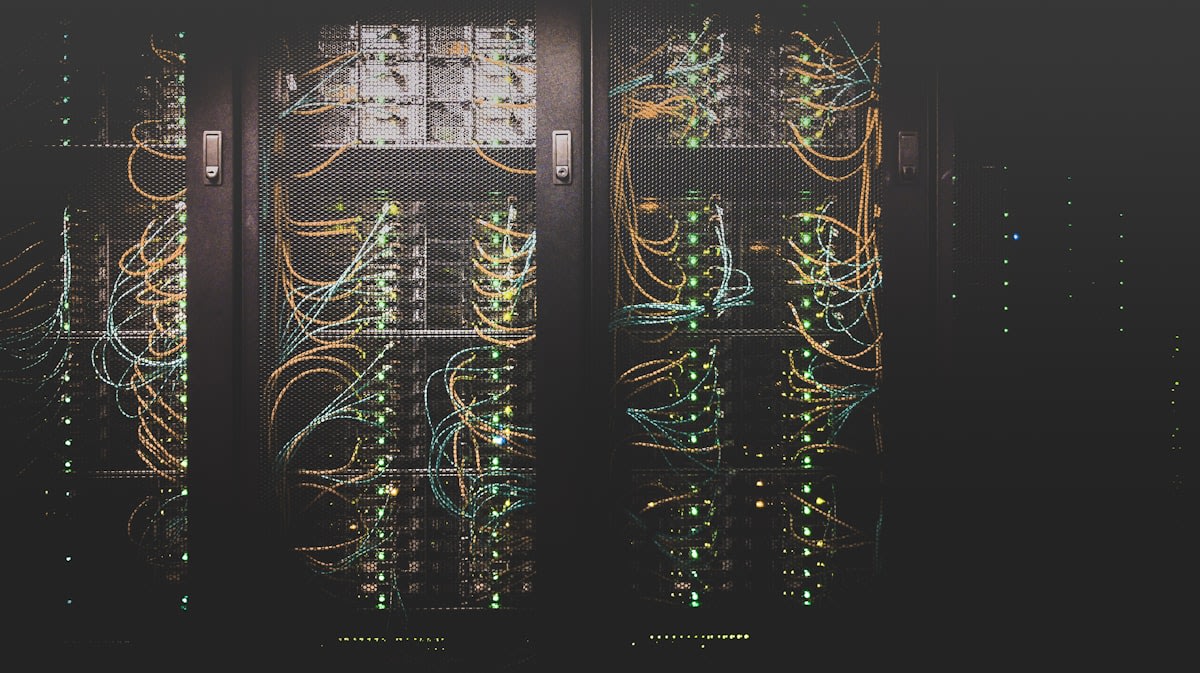
Skills are being redefined in real-time. Rockwell and Cisco are launching digital skills initiatives to close the gap, but these are not for managers. They are for the technicians who can maintain the software-defined environment. The training focuses on cybersecurity and networking, not leadership or people management. The industry is training the mechanics, not the captains.
Detachment is the ultimate competitive advantage. A human manager is susceptible to fatigue, bias, and local politics. An Agentic AI platform operates on pure logic and real-time data. By erasing the middle-management layer, firms in Jakarta are removing the emotional noise from their operations. The result is a cold, efficient, and relentlessly productive hub.
Finality is approaching. The proliferation of IIoT sensors and the integration of knowledge graphs are not incremental changes. They are replacements. Once the software-defined architecture is in place, there is no reason to reintroduce the human coordinator. The cost of failure is too high, and the cost of AI is plummeting.