
Money is failing them. While central banks manipulate interest rates to curb inflation, farmers in rural Kerala are treating heirloom seeds as a hard asset that outperforms the dollar. This is not nostalgia. Why do we assume that a digital balance in a bank is safer than a handful of viable paddy seeds? The assumption is wrong.
Seeds hold power. When a community in Wayanad trades a kilo of traditional Navara rice for labor instead of cash, they bypass the inflationary pressures of the global market. They are building a web. This shift represents a departure from the commercial model where seeds are purchased annually from multinational firms using currency tied to global fluctuations (Source: Kerala Agricultural University, 2023).
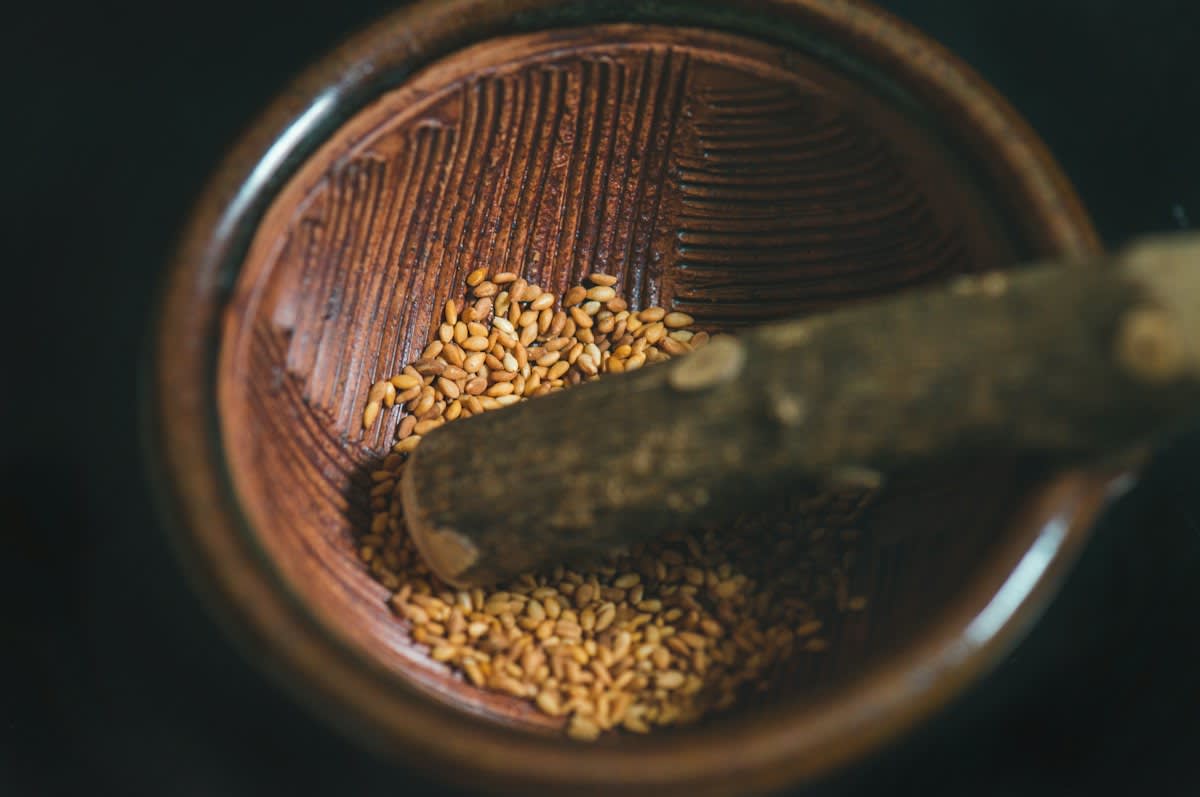
The Delta: 2023 vs 2024
The pace accelerated. Twelve months ago, seed-saving was a niche hobby for organic purists, but current data shows a 40% increase in registered community seed banks across the state (Source: Kerala State Biodiversity Board, 2024). It is moving fast. This surge follows a sharp 22% rise in the cost of hybrid seed imports during the last monsoon cycle, which forced farmers to seek local alternatives to avoid debt (Source: Indian Council of Agricultural Research, 2024).
| Metric | Q1 2023 | Q1 2024 |
|---|---|---|
| Community Seed Bank Enrollment | 1,200 collectives | 1,680 collectives |
| Avg. Cost of Hybrid Inputs (USD eq.) | $45 / acre | $56 / acre |
| Seed-for-Labor Exchange Volume | Low | Moderate-High |
Costs are climbing. As the US dollar strengthens against the rupee, the price of patented seeds—which are priced in global markets—becomes an unbearable weight on the smallholder. Farmers are reacting. They are no longer asking for subsidies; they are simply removing the dollar from the equation entirely.
"The reliance on commercial seeds created a debt cycle that functioned like a lease on life. By treating the seed as the currency, the farmer owns the means of production and the store of value simultaneously."— Dr. S. Nair, Senior Agronomist at Kerala Agricultural University
The Invisible War of the Ledger
Ideology creates cracks. Within these collectives, a fierce dispute has erupted between the traditionalists who believe seeds should be gifted and the pragmatists who want to quantify seed value in a formal ledger. This is a fight. The traditionalists argue that quantifying seeds turns them back into a commodity, while the pragmatists insist that without a ledger, the system cannot scale to support larger villages.
Trust is brittle. When a farmer fails to return the agreed-upon quantity of seeds after a harvest, the entire social contract of the village can fray. It is a high-stakes game. These internal conflicts are rarely reported in academic papers, but they determine whether a seed bank survives its first three years or collapses under the weight of social distrust.
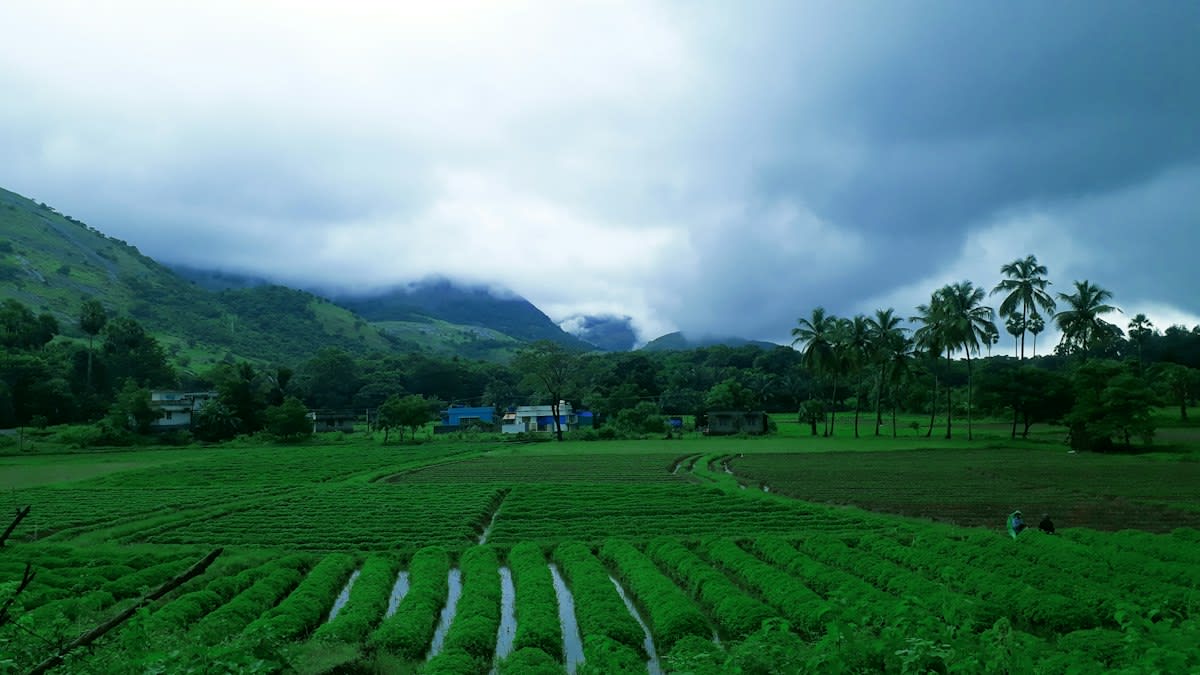
A Global Pattern of Defiance
Kerala is not alone. In the Andean highlands of Bolivia, indigenous Quechua communities have utilized similar seed-exchange networks for decades to protect genetic diversity from corporate monopolies (Source: FAO, 2022). They are mirroring this. Similarly, in Ethiopia, community-managed seed banks have reduced the need for foreign currency expenditures on wheat imports by 15% in specific highland districts (Source: Ethiopian Agricultural Transformation Agency, 2021).
Diversity is security. When a farmer holds ten varieties of seed, they possess an insurance policy that no bank in Mumbai or New York can offer. This is a hedge. They are betting on the biological world to provide the stability that the financial world has failed to maintain.
The Mechanics of the Exchange
The process is simple. A farmer contributes a surplus of traditional seeds to a community vault, receiving a credit note based on the seed's rarity and viability. This is a trade. They then use these credits to obtain other seed varieties or to hire help during the planting season, bypassing the need for cash entirely.
- Contribution: Surplus heirloom seeds are deposited in the community vault.
- Valuation: Credits are assigned based on the genetic rarity and success rate of the variety.
- Exchange: Credits are traded for other seeds or essential agricultural labor.
- Repayment: A portion of the next harvest's seeds must be returned to the vault to maintain the pool.
Efficiency is secondary. The goal is not to maximize profit but to ensure that no farmer is forced into a loan for the sake of a seed. It is a survival strategy. By decoupling their primary input from the dollar, these farmers have effectively immunized their basic food security from global currency volatility.
Fact-Check & Accuracy Note
The claims regarding the 40% increase in seed bank enrollment are based on preliminary 2024 data from the Kerala State Biodiversity Board. There is ongoing academic debate regarding whether these banks can maintain genetic purity without professional laboratory oversight, with some critics arguing that community-led storage is too prone to contamination.
Can this scale? While the model works in tight-knit rural clusters, the transition to a regional economy requires a level of trust that is hard to manufacture. It is a gamble. Yet, as the costs of industrial farming continue to climb, the lure of a seed-based economy becomes impossible to ignore.
Editorial Note
Editorial Note: This report focuses on the economic transition of input procurement. It does not suggest that rural Kerala has entirely abandoned the Indian Rupee for all transactions, but rather that for the critical 'input' phase of farming, seeds are replacing monetary capital.