
The Algorithm as Supervisor
Logistics hubs in Lagos are changing. Management roles disappear as agentic AI takes over. Goldman Sachs economist Joseph Briggs warns that AI will displace 9% of the US workforce, roughly 15 million jobs. This pattern replicates in Nigeria, though the catalyst is financial rather than purely technological. Efficiency dictates the removal of human oversight.
Agentic AI handles the heavy lifting. IoT sensors serve as the eyes and ears of the operation. Inbound Logistics notes these tools monitor inbound ETAs against appointments and reallocate inventory without human intervention. Managers used to spend hours on phone calls to fix delays. Now, a script does it in milliseconds.
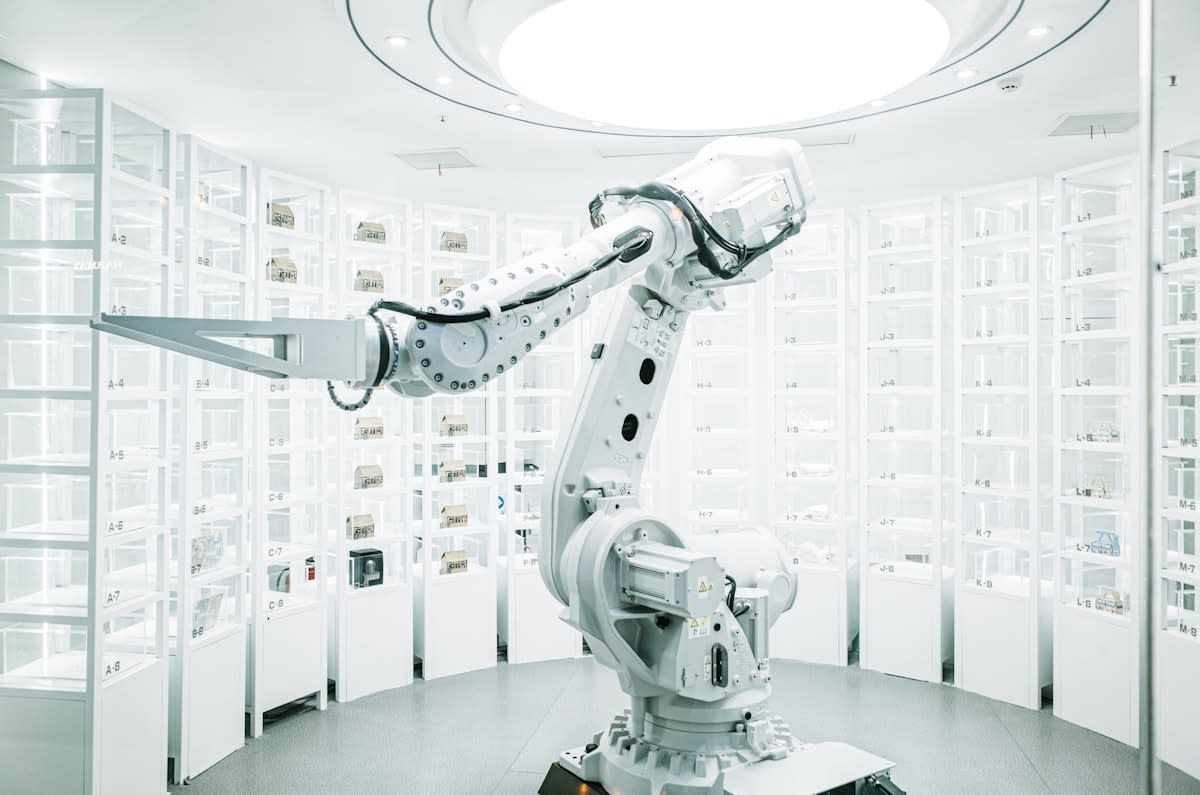
Physical constraints remain. A firmware bug in Taipei might halt a line for an hour. Lagos faces brownouts that kill the hardware entirely. These failures reveal the cost of removing the human layer. When the power dies, there is no one left who knows how to move a crate by hand.
"AI is the engine—and agentic AI is the next iteration of that engine for end-to-end supply chain execution."— Inbound Logistics
Corporate interests prioritize the bottom line. TechForce Robotics demonstrates this by integrating AI-enhanced automation across industries. Such movements are not about growth. They are about the elimination of labor costs. Middle management is an expensive luxury.
Labor markets are deceptive. Yahoo Finance reports a gentle warming in the US with 115,000 jobs added in June. Such numbers hide the specific death of the administrative class. Logistics is the first domino. The data masks the removal of the coordinator.
Strategic Insight
The removal of the human coordinator is a financial calculation, not a technological achievement. The goal is the elimination of the wage-earning middle.
The Economics of Displacement
Historical data suggests a cycle of creation. Joseph Briggs notes that 85% of job growth over the last 80 years was driven by technological creation. This logic fails when the technology targets the coordination layer. Automation does not create a new middle; it expands the gap. The worker is now either a coder or a loader.
Operational costs are the primary driver. Human managers require salaries, benefits, and sleep. Algorithmic oversight requires electricity and licensing. In high-variability situations, agentic AI proposes new ties and reallocates inventory instantly. Human intuition is too slow for the modern supply chain.
| Metric | Human-Led Hub | Agentic AI Hub |
|---|---|---|
| Decision Latency | Hours to Days | Milliseconds |
| Payroll Overhead | High (Salaries/Benefits) | Low (Licensing/Power) |
| Decision Basis | Experience/Intuition | IoT Sensor Data |
| Error Recovery | Human Negotiation | Algorithmic Reallocation |
Structural changes in the workforce are accelerating. A 5% increase in job creation growth could theoretically offset AI displacement. However, these new jobs are not found in the warehouse office. They are found in the data center. The local Lagos manager is not becoming a data scientist.
Inventory management is now a math problem. IoT devices provide the necessary data fuel. AI provides the engine for execution. Middle managers used to act as the translator between the data and the dock. That translation is now native to the software.
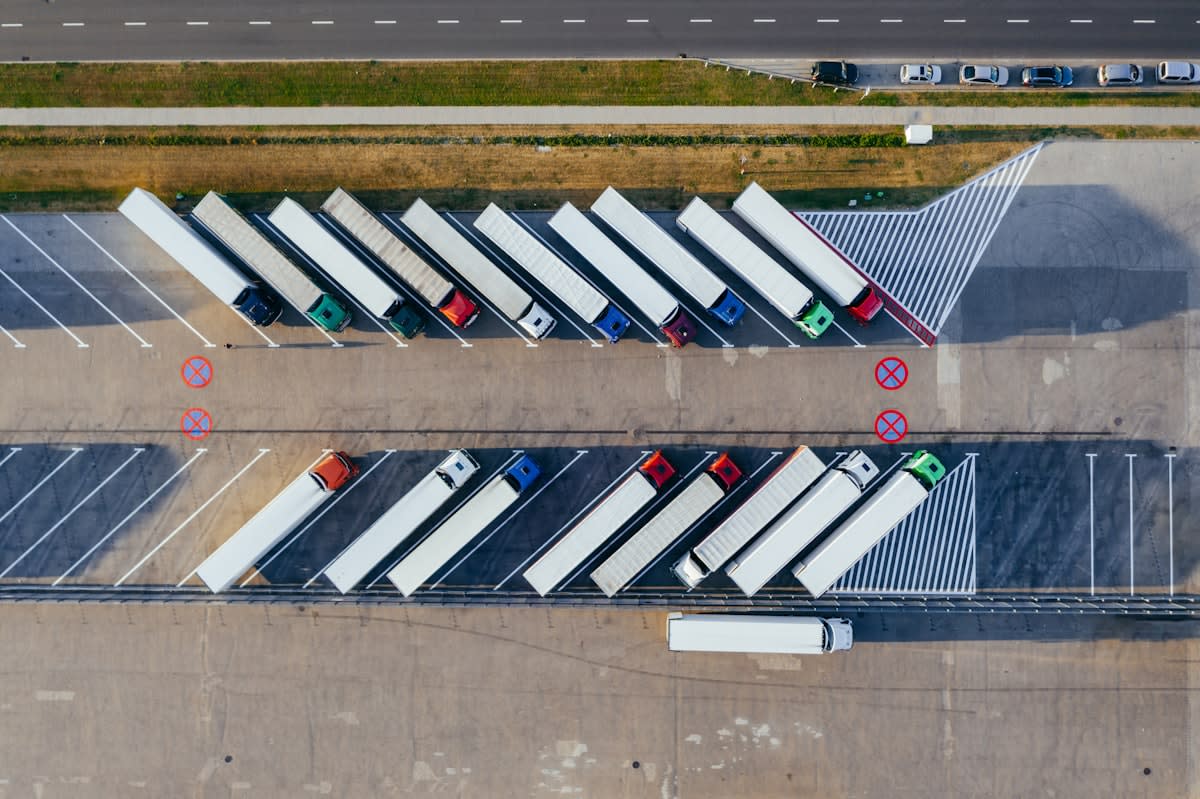
Risk is redistributed. When a human manager fails, the company fires an individual. When an algorithm fails, the company loses a shipment. This trade-off is acceptable to the board. Predictable software errors are easier to budget for than unpredictable human behavior.
The Hidden Incentive Structure
Labor unions are irrelevant in these hubs. Robotic integration happens quietly. TechForce Robotics focuses on the deployment of intelligent automation solutions. These solutions are designed to minimize human touchpoints. Every touchpoint is a potential cost increase.
Coordination is a vulnerability. Humans negotiate, argue, and hesitate. Agentic AI monitors ETAs and executes the most efficient path. This removes the ability of the middle manager to exercise discretion. Discretion is a cost center.
Global patterns are converging. US unemployment remains flat at 4.3% according to recent reports. This stability is a mask. Beneath the surface, the nature of the work is changing. The coordinator is being replaced by the operator.
Lagos serves as the testing ground. High variability makes it the perfect environment for agentic AI. If a system can handle the chaos of West African logistics, it can handle anything. The human cost is a secondary metric.
Power grids remain the only check. A total blackout renders the robotic hub a graveyard of expensive metal. Only then does the value of human coordination return. Until then, the algorithm is the boss.
- Removal of the human coordinator reduces decision latency to milliseconds.
- IoT sensors eliminate the need for manual inventory audits.
- Agentic AI replaces the need for human negotiation during inbound delays.
- Payroll costs are converted into software licensing fees.