
The heat hits the scorched asphalt of the Avenida da Liberdade before the morning commute peaks. Thousands of remote workers now chase a specific financial arbitrage, leveraging high-currency salaries against a local economy that is struggling to adjust. The rush to secure the Digital Nomad Visa has turned government offices into waiting rooms filled with stale air-conditioning and the smell of damp concrete.
Operational Prerequisites
Entry requires more than a laptop and a remote contract. The Portuguese state demands a specific sequence of documentation that must be synchronized to avoid application rejection. Missing a single stamped page often results in a six-month delay while you wait in a hall under flickering fluorescent tubes.
- NIF (Número de Identificação Fiscal): The essential tax identification number.
- Portuguese Bank Account: Required for proof of funds and local rental payments.
- Proof of Income: Monthly earnings must meet the minimum threshold for the specific visa category.
- Valid Passport: Minimum six months validity beyond the intended stay.
- Lease Agreement: A registered rental contract recognized by the Tax Authority (Finanças).
The Relocation Sequence
- Obtain the NIF via a fiscal representative or online portal.
- Open a local bank account to facilitate the transfer of the required minimum deposit.
- Secure a long-term rental contract (minimum 12 months) registered with the government.
- Submit the visa application through the VFS Global portal or the nearest consulate.
- Enter Portugal and schedule the biometric appointment with AIMA (formerly SEF).
The NIF is the operational anchor of your existence in Portugal. Without this nine-digit number, you cannot sign a phone contract, rent an apartment, or even purchase a coffee if you intend to request a formal tax invoice. Most nomads hire a fiscal representative to bypass the physical queues at the Finanças offices, where the air is thick with diesel soot from the street traffic outside.
Banking remains a primary point of resistance. Many institutions still require a physical presence, forcing applicants to navigate confusing office layouts while clutching folders of notarized documents. The clinical requirement is simple: prove you have the funds, but the execution is often stalled by outdated internal software and a lack of English-speaking staff in regional branches.
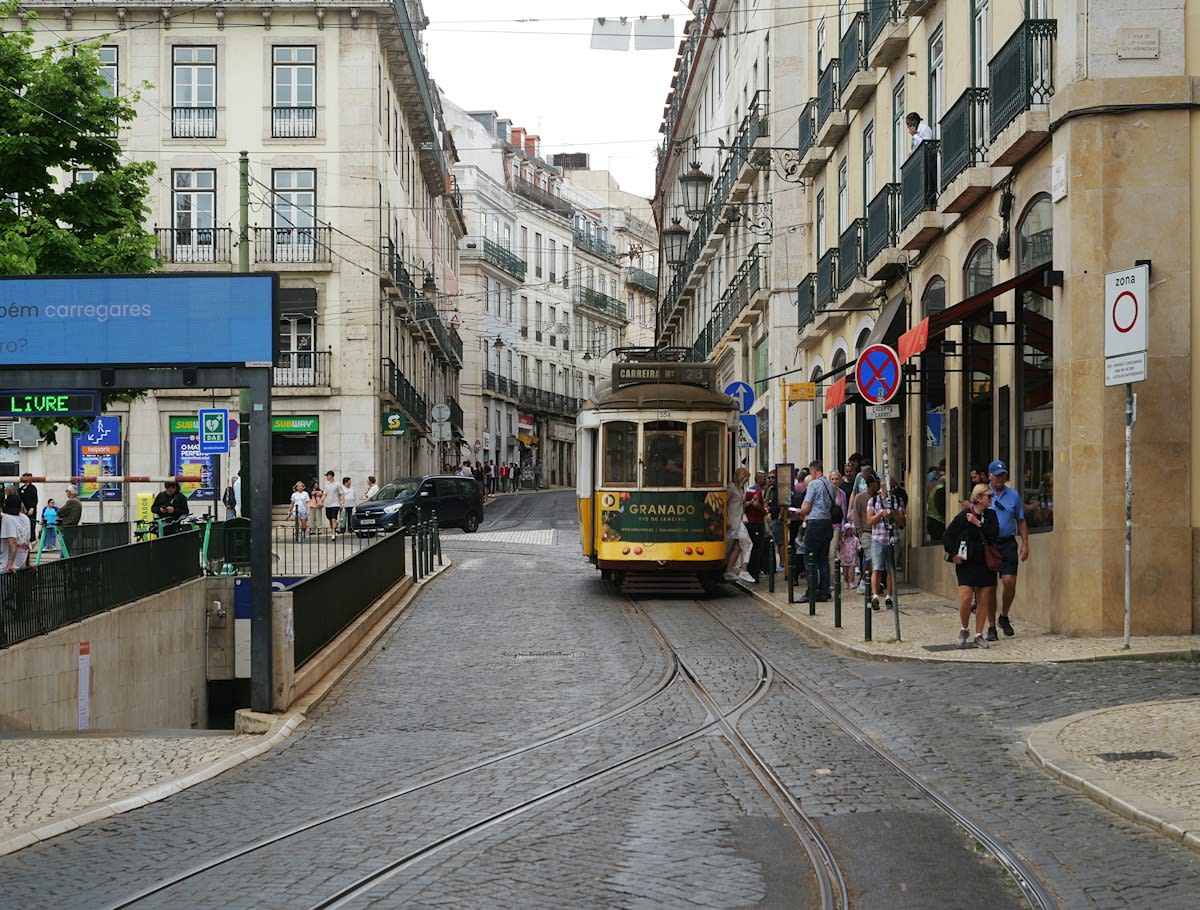
Housing is the most volatile variable in the equation. The demand has pushed nomads out of the city center and toward the outskirts, near port terminals and logistics warehouses in the Global South perimeter of the city. Apartments in these areas often feature thin walls and the constant hum of transformers from nearby industrial zones, yet they are the only viable options for those not earning six-figure salaries.
| Requirement | D7 Visa (Passive Income) | Digital Nomad Visa (Remote Work) |
|---|---|---|
| Min. Monthly Income | ~€820 (Source: SEF, 2022) | ~€3,280 (Source: Portuguese Govt, 2023) |
| Primary Goal | Retirement/Passive Income | Active Remote Employment |
| Processing Time | 3-6 Months | 2-4 Months |
"The influx of high-earning remote workers has created a price floor that locals simply cannot meet, leading to an involuntary migration of the native population to the outskirts."— Analysis from the Portuguese Housing Rights Observatory, 2023
From a practitioner's perspective, the process is a war of attrition. I have sat in offices where the only sound was the clicking of old keyboards and the distant roar of traffic, arguing with clerks about the validity of a digital bank statement. The real tension exists in the rental market, where landlords often demand six months of rent upfront from foreigners to mitigate the risk of visa denials.
Implementation Failure (Friction Point)
The Portuguese government attempted to curb the housing crisis through the Mais Habitação package in 2023. This legislation limited new Alojamento Local (AL) licenses, which are the permits required for short-term rentals like Airbnb (Source: Portuguese Government, 2023). The intent was to force properties back into the long-term market for residents.
The result has been an uneven distribution of availability. While some short-term rentals vanished, the prices for remaining long-term leases spiked as landlords adjusted to the purchasing power of the nomad class. In Lisbon, rental prices saw an increase of nearly 20% in key districts over a twelve-month period (Source: Statista, 2023).
Local resentment is now visible in the streets. The shift from traditional commerce to specialty coffee shops and coworking spaces has altered the social fabric of neighborhoods like Arroios and Graça. The physical evidence is the replacement of hardware stores and bakeries with minimalist offices that serve people who do not pay local income taxes.

The disconnect between the visa policy and housing policy is an operational failure. The state invites high-earners to relocate while simultaneously passing laws to stop the housing market from inflating. This creates a bottleneck where nomads have the legal right to stay but no physical place to live without paying exorbitant premiums.
Common Pitfalls
- Relying on a temporary Airbnb for your visa application; the government requires a registered long-term lease.
- Assuming the NIF can be obtained instantly; expect delays of 2-4 weeks if using a representative.
- Underestimating the bank deposit requirement; ensure funds are transferred and visible before the appointment.
- Ignoring the specific income multipliers; the Digital Nomad Visa requires 4x the local minimum wage (Source: Portuguese Govt, 2023).
Editorial Note
The transition from SEF to AIMA has created a massive backlog of appointments. Many nomads are living in a legal limbo for months, holding expired visas but with pending appointments in the system.
Fact-Check & Accuracy Note
All statistics regarding minimum income and rental increases are based on 2022 and 2023 reports from SEF, Statista, and the Portuguese Government. Users should verify current monthly minimums as they fluctuate with the national minimum wage adjustments.