OpenAI’s AI agents need to catch up
Source Entity
Hayden Field
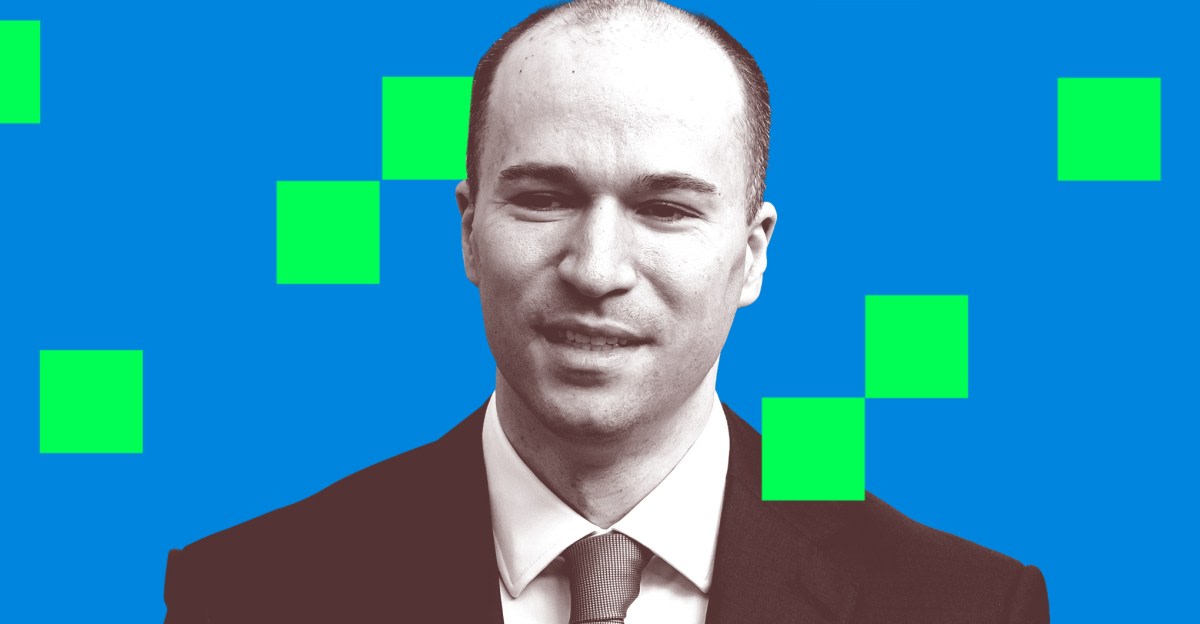
OpenAI is expected to launch its new 'Aeon' AI agent at the 2026 DevDay event to compete with rivals like Meta and SpaceX. The company aims to reclaim its leadership position in the autonomous, consumer-facing AI agent market.
The Evolution of Generative AI: OpenAI’s Strategic Pivot
OpenAI, the organization that fundamentally shifted the global technological landscape with the introduction of modern generative AI chatbots, finds itself at a critical juncture. As the 2026 DevDay event approaches, the company is facing mounting pressure to evolve beyond static chat interfaces. While OpenAI once held an undisputed lead, the market has pivoted toward continuously running, consumer-facing AI agents, a space where OpenAI is currently perceived to be playing catch-up.
The Rise of the Autonomous Agent
The industry's focus has transitioned from simple request-response models to persistent, autonomous agents capable of performing complex tasks over time. This shift is driven by a demand for productivity tools that operate in the background, rather than requiring constant human prompting. OpenAI’s rumored entry into this fray, dubbed 'Aeon,' represents a direct response to this architectural shift in artificial intelligence deployment.
Competitive Landscape and Market Pressures
OpenAI is not operating in a vacuum. The competitive ecosystem is now crowded with formidable rivals, including Meta’s Muse, SpaceX’s Grok Bot, and the highly influential open-source platform OpenClaw. Each of these competitors has carved out specific niches, forcing OpenAI to reconsider its product roadmap. The urgency surrounding the upcoming DevDay suggests that OpenAI recognizes the risk of losing its "first-mover" advantage to these agile incumbents.
The Technical Challenge of 'Aeon'
For 'Aeon' to succeed, it must transcend the capabilities of existing models. Industry analysts suggest that the platform needs to synthesize the best features from across the board. Specifically, it must emulate the utility and accessibility of open-source projects like OpenClaw while providing the enterprise-grade reliability and seamless integration that users have come to expect from the OpenAI ecosystem.
Broader Implications for the AI Sector
The introduction of Aeon will likely set a new benchmark for what constitutes a "consumer-facing" agent. If OpenAI succeeds in effectively deploying a persistent, autonomous system, it could force a consolidation of the current fragmented agent market. This move signals a broader trend where AI is no longer a tool to be opened and closed, but a persistent digital presence integrated into the user’s daily workflow.
Future Trends and Concluding Thoughts
Looking ahead, the success of OpenAI’s DevDay will depend on whether Aeon can deliver on its promise of sustained, autonomous utility. As the industry moves toward deeper integration, the ability of these agents to manage complex, multi-step tasks without user intervention will be the ultimate differentiator. OpenAI's pivot toward this model is not just a feature release; it is a necessary strategic evolution to maintain relevance in a rapidly maturing and highly competitive technological landscape.