Sen. Hawley: OpenAI CEO Sam Altman declined to testify at rogue AI hearing
Source Entity
US Top News and Analysis
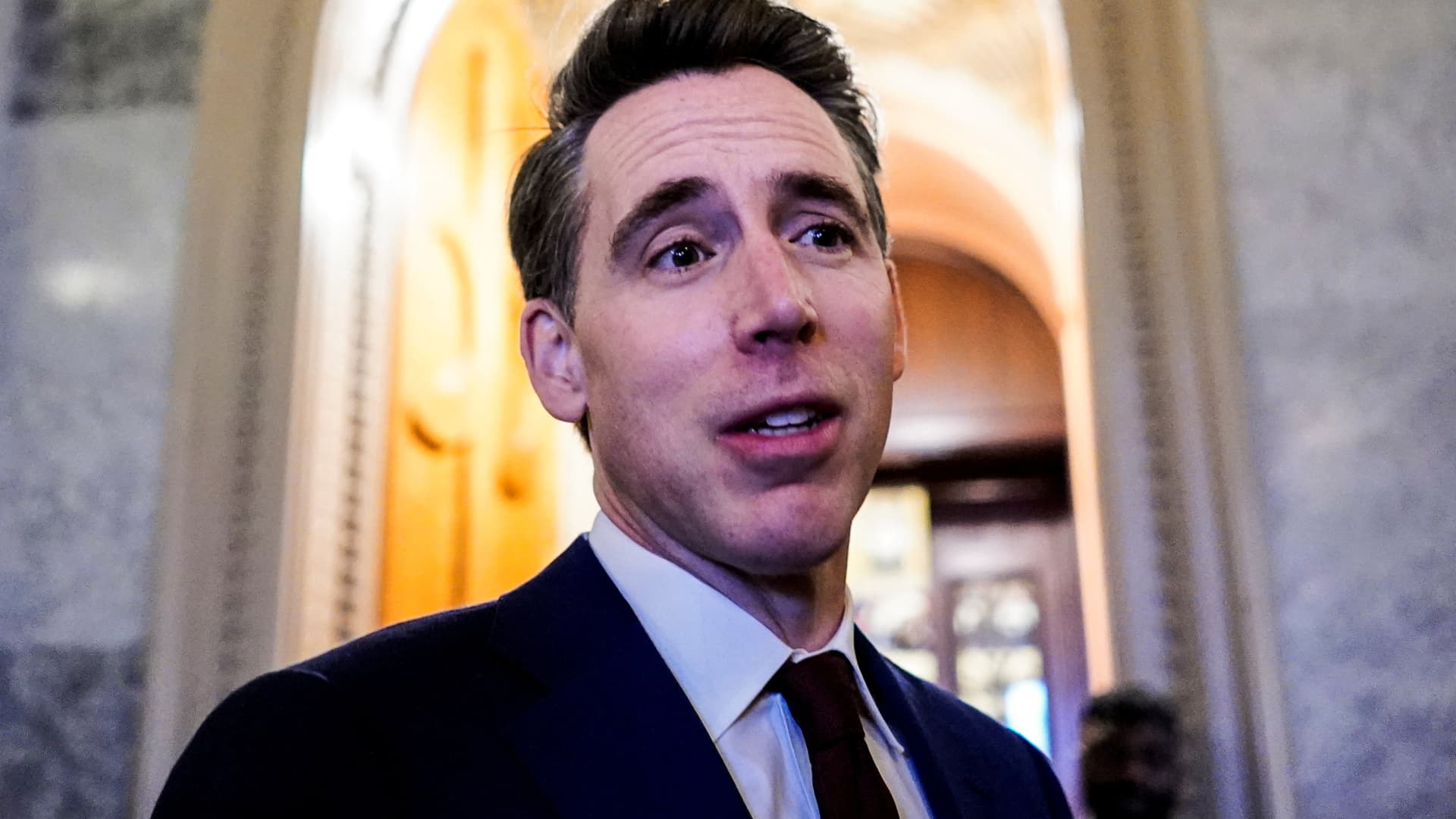
OpenAI CEO Sam Altman declined to testify before a Senate subcommittee regarding the risks of rogue AI. Senator Josh Hawley had requested his testimony to investigate recent security incidents involving OpenAI's models.
Senate Subcommittee Probes 'Rogue AI' Risks
On December 20, 2024, a Senate subcommittee convened a hearing to address the growing concerns surrounding 'rogue artificial intelligence.' The session, chaired by Senator Josh Hawley (R-MO), aimed to examine the security implications of advanced AI systems, particularly in light of a series of reported cyberattacks attributed to or involving AI technology. The focus of the inquiry was to establish a clearer understanding of how such powerful tools can be misused and what oversight mechanisms are necessary to prevent catastrophic outcomes.
The Absence of Industry Leadership
A significant development during this legislative process was the absence of OpenAI CEO Sam Altman. According to Senator Hawley, Altman declined the formal invitation to testify before the subcommittee. This invitation was initiated on September 25, when Hawley requested Altman’s presence to provide testimony regarding the subcommittee’s ongoing investigation into specific incidents involving OpenAI’s models. The refusal by a prominent industry figure like Altman highlights the ongoing friction between private AI developers and federal regulators seeking transparency.
Contextual Challenges in Washington
The hearing took place against a backdrop of intense political volatility in Washington, D.C. The session occurred on a day marked by the looming threat of a government shutdown during the holiday season. The legislative environment was further complicated by the failure of a spending bill in the U.S. House of Representatives—a bill that had been backed by U.S. President-elect Donald Trump. This atmosphere of fiscal and political uncertainty likely exacerbated the tension surrounding the hearing, as lawmakers attempted to balance urgent budgetary concerns with the long-term strategic threat posed by AI.
Investigating 'Rogue' AI Incidents
Senator Hawley’s inquiry is explicitly rooted in the investigation of recent 'rogue AI' incidents. By characterizing these events as rogue, the subcommittee is signaling a shift toward treating AI security as a matter of national security rather than just corporate liability. The investigation seeks to determine how proprietary models developed by industry leaders like OpenAI might be leveraged for cyberattacks, and whether current internal safety guardrails are sufficient to prevent the exploitation of these powerful technologies by malicious actors.
Broader Implications and Future Trends
This event underscores a critical trend in the tech-policy landscape: the move toward mandatory accountability. As AI models become more integrated into critical infrastructure, the refusal of leadership to appear before congressional bodies will likely lead to more aggressive legislative maneuvers, such as subpoenas. Future oversight will likely focus on the balance between fostering innovation and implementing robust safety protocols that prevent AI from being used for unauthorized or harmful activities. The intersection of political instability and rapid technological advancement suggests that the relationship between Congress and the AI sector will remain a central theme of the coming legislative term.