To avert listing, Noel submits Tata Sons revamp plan to RBI
Source Entity
REENA ZACHARIAH
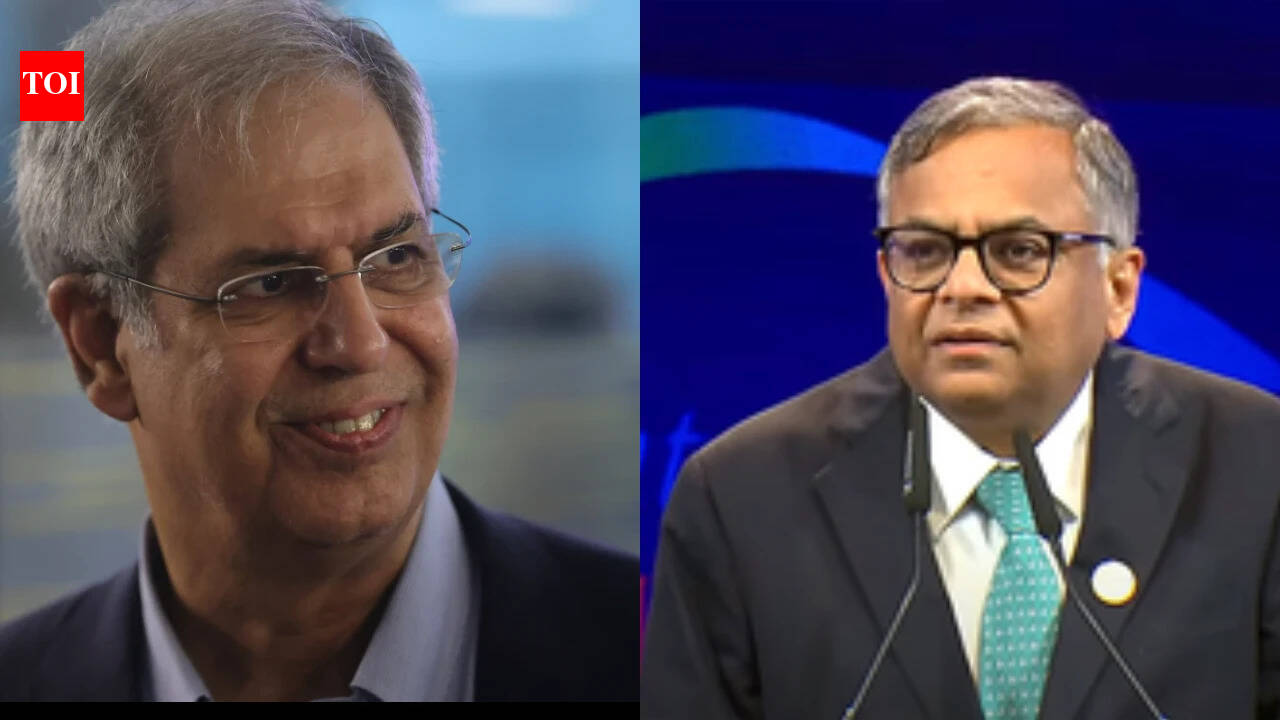
Tata Trusts are proposing the merger of two subsidiaries into Tata Sons to avoid a mandatory stock market listing imposed by RBI regulations. This move comes amidst internal leadership friction regarding the tenure of Chairman N Chandrasekaran.
Strategic Restructuring at Tata Sons
In a significant move to navigate complex regulatory requirements, Tata Trusts have proposed a major corporate restructuring involving the merger of Tata Electronics Systems Solutions Pvt Ltd and Tata Consulting Engineers into the parent entity, Tata Sons. This strategic consolidation is primarily aimed at altering Tata Sons' regulatory classification, a necessary step to avoid the mandatory stock market listing currently mandated by the Reserve Bank of India (RBI) for upper-layer non-banking financial companies (NBFCs).
The Regulatory Hurdle
The RBI’s regulatory framework imposes strict listing requirements on firms categorized as 'upper-layer' NBFCs. By merging these specific subsidiaries, Tata Trusts intend to reconfigure the group's corporate architecture. This is a delicate financial maneuver that requires the explicit approval of the central bank. Before proceeding with any structural changes, Tata Sons must secure a 'no-objection certificate' (NOC) from the RBI, ensuring that the new organizational setup aligns with the regulatory body's standards for systemic risk management.
Internal Governance and Friction
This restructuring effort is not occurring in a vacuum; it is unfolding against a backdrop of internal discord within the leadership structure of the Tata conglomerate. Recent reports highlight a notable friction between Tata Sons and Tata Trusts, which serves as the primary shareholder. This tension has spilled over into public view, specifically regarding the governance of the board.
The Noel Tata Leadership Dispute
A critical point of contention involves Noel Tata, who has reportedly opposed the board's decision to grant Chairman N Chandrasekaran another five-year term. This internal disagreement complicates the strategic planning process, as the leadership must balance the demands of regulatory compliance with the need for internal consensus. The proposed revamp of Tata Sons is thus as much a political challenge within the boardroom as it is a financial one.
Broader Implications and Future Outlook
If the merger plan is successful, it would effectively shield Tata Sons from the transparency and accountability requirements that come with being a publicly listed entity. However, the path forward remains precarious. The reliance on the RBI's discretion means that the future of this restructuring is subject to external oversight that prioritizes systemic stability over private corporate preferences. As the conglomerate moves forward, the resolution of internal leadership friction will be just as vital as the successful navigation of its regulatory obligations.
Multiple Citing Sources