Crude oil exports through the Strait of Hormuz hit prewar levels, but fuel shipments remain constrained
Source Entity
US Top News and Analysis
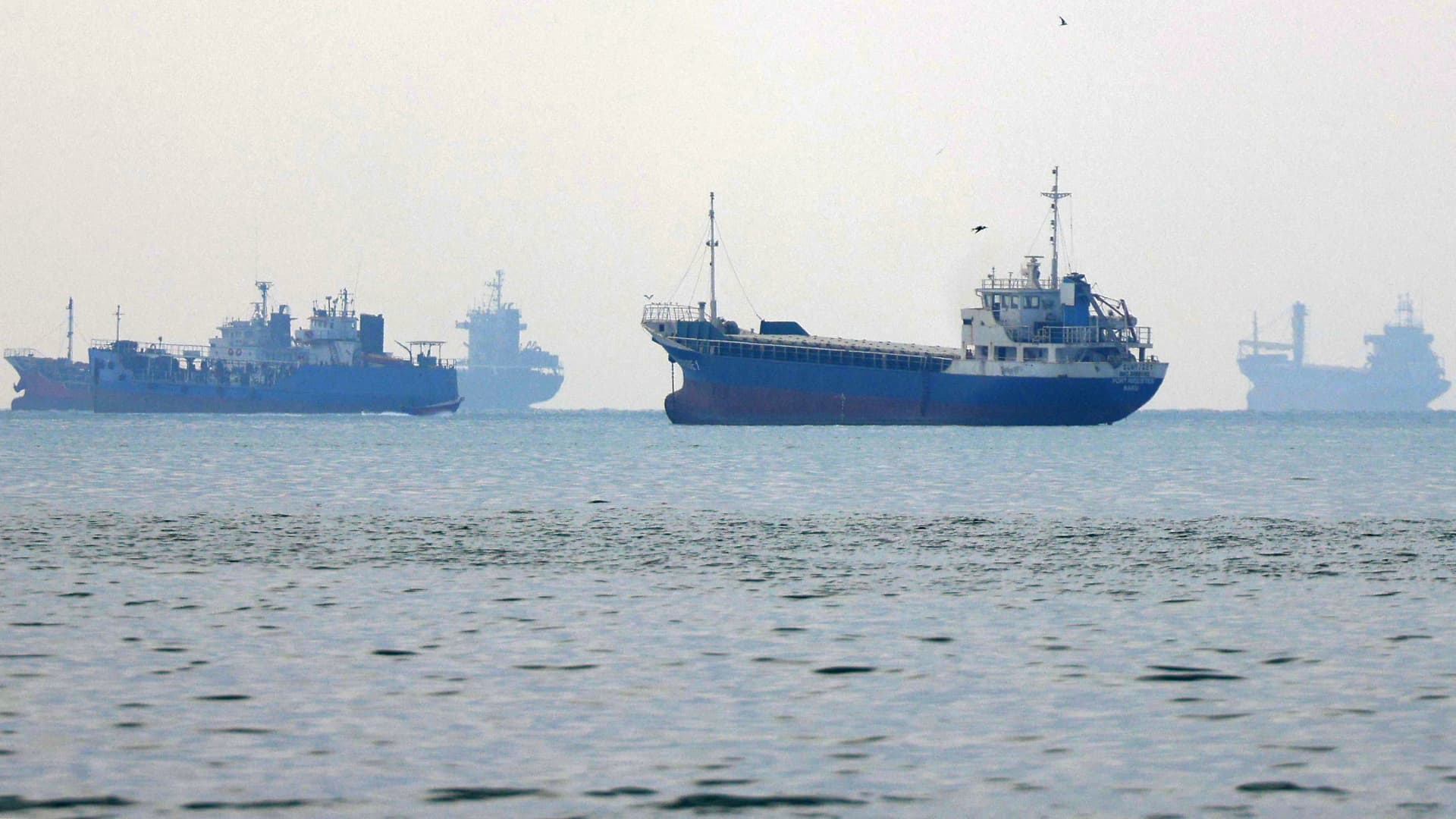
Crude oil exports through the Strait of Hormuz have rebounded to prewar levels, averaging 13.5 million barrels per day. This recovery is largely supported by U.S. military escorts and redirected pipeline infrastructure despite ongoing regional tensions.
The Strategic Rebound of Hormuz Oil Flows
Recent data from Kpler indicates that crude oil exports transiting the Strait of Hormuz have reached a seven-day average of 13.5 million barrels per day. This figure effectively matches the baseline established prior to the current conflict involving Iran. The stabilization of these trade flows represents a significant development in global energy logistics, signaling that despite geopolitical volatility, the primary arteries of oil transit remain functional.
The Role of Military Intervention
Central to this recovery is the active presence of the U.S. military. By providing escorts for commercial tankers in the Persian Gulf, the United States has successfully mitigated the immediate risks posed by regional instability. This military-backed security architecture has effectively neutralized attempts to disrupt trade, ensuring that energy markets remain supplied even in a high-tension environment.
Iran's Eroding Influence
Throughout the duration of the conflict, Iran has repeatedly asserted its authority over the Strait of Hormuz, going so far as to announce closures of the waterway. However, the current throughput data suggests that Tehran’s ability to influence, let alone choke, global energy trade is waning. As Matt Smith of Kpler noted, the sheer volume of crude successfully passing through the strait serves as a practical refutation of Iranian claims of control.
Infrastructure and Redirection
Beyond military escorts, the recovery has been bolstered by strategic shifts in infrastructure. The redirection of pipeline flows has provided necessary alternatives for regional producers, allowing them to bypass potential chokepoints when necessary. This diversification of transit routes, combined with increased tanker traffic, has created a more resilient supply chain than what existed at the onset of the conflict.
Future Sustainability and Risks
Despite the positive metrics, the long-term sustainability of these trade levels remains questionable. The reliance on a U.S.-led military protection framework introduces a precarious dependency. Should the security posture shift or the military commitment wane, the vulnerability of the Strait of Hormuz would be immediately exposed once again. Market analysts remain cautious, noting that the current stability is more a product of intervention than a resolution of the underlying geopolitical conflict.
Conclusion
While the return to prewar export levels is a welcome sign for global energy markets, it is a fragile victory. The normalization of oil flows through the Strait of Hormuz is currently tethered to the presence of external military forces. Moving forward, the global energy sector will need to monitor how regional actors respond to this sustained flow, as the battle for influence in this critical maritime corridor is far from over.