
The OPEC Comparison Fails
The obsession with forming a lithium cartel in South America stems from a flawed analogy. Proponents argue that because Argentina, Bolivia, and Chile control the majority of the worlds brine reserves, they can dictate prices just as the Gulf states did with oil. This ignores the fundamental difference between a fuel and a mineral. Oil is a consumable that the global economy requires daily to function, creating an immediate and desperate demand. Lithium is a structural component of a battery that lasts for a decade. When prices spike, the market does not simply pay more; it searches for a substitute.
True power in the energy market is not about owning the raw material, but about controlling the flow. As seen in recent geopolitical conflicts, the ability to weaponize a resource often depends on physical choke points. For example, current tensions in the Middle East highlight how control over the Strait of Hormuz can degrade an adversary's capabilities through naval blockades. Lithium has no such choke point. The raw ore or brine can be sourced from diverse geographies, meaning no single region can hold the global economy hostage by simply closing a border.
There is also a glaring disconnect between cultural identity and economic coordination in the region. While Latin America can project a unified front in tourism or culinary arts, blending influences from 27 different countries into a cohesive global brand, this social cohesion does not translate to mineral policy. The shared cultural affinity that brings travelers to the region does not bridge the gap between a socialist state-led model in Bolivia and a market-driven provincial model in Argentina. The resulting policy dissonance makes any collective bargaining effort a theoretical exercise rather than a strategic reality.
Fragmentation Destroys the Triangle
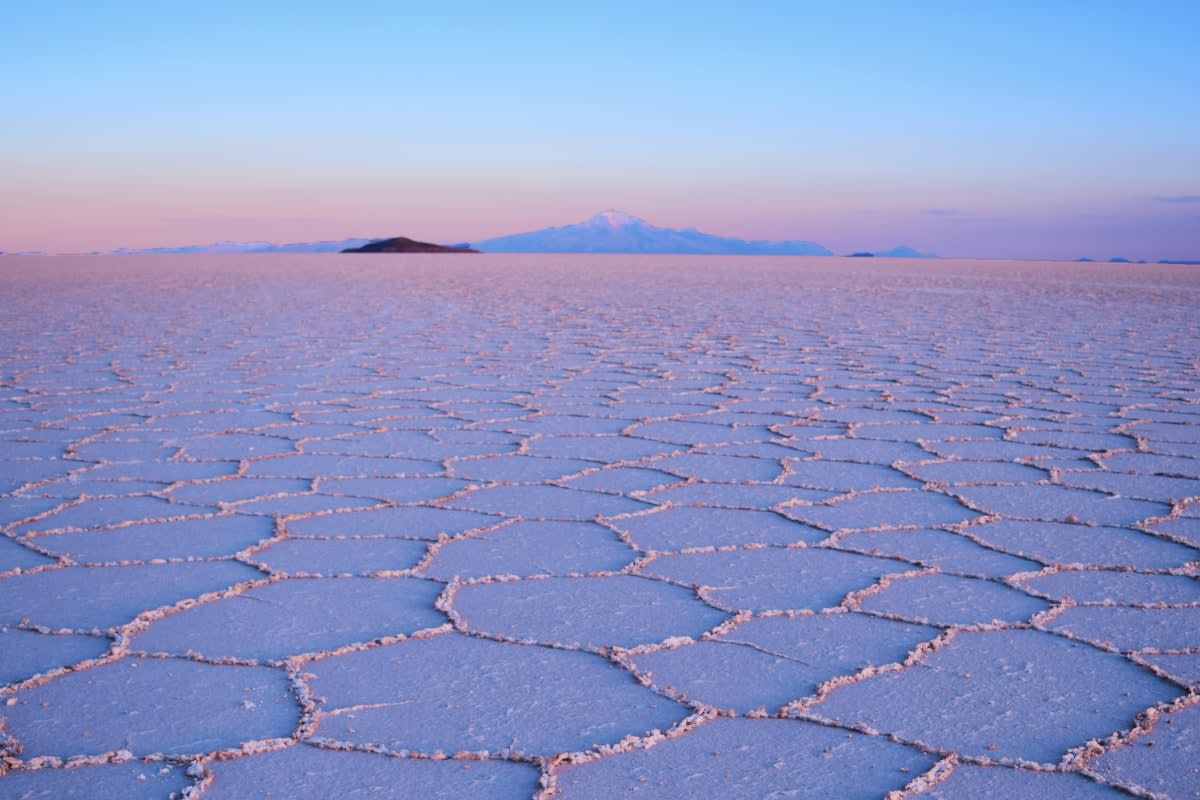
Bolivia represents the most extreme version of resource nationalism. By insisting on total state control through Yacimientos de Litio Bolivianos (YLB), the government has effectively locked out the private capital and technical expertise required to move from extraction to processing. The result is a massive reserve on paper that remains largely inaccessible in practice. Bolivia is not a market leader; it is a cautionary tale of how ideological purity can lead to economic stagnation.
Argentina takes a different, albeit equally chaotic, approach. Power is decentralized across provinces, meaning a company must negotiate separate deals with different regional governments, each with its own set of demands and regulatory whims. This fragmentation prevents the country from speaking with a single voice. While this openness attracts more foreign investment than the Bolivian model, it ensures that Argentina cannot coordinate production levels to influence global prices.
Chile sits in the middle, attempting a precarious balance between state oversight and private partnership. Recent moves toward nationalization have sent a chill through the investor community. When the state signals that it may seize control of the most productive assets, the long-term capital required for brine evaporation ponds vanishes. The tension between the desire for sovereign control and the need for global capital creates a volatility that is anathema to the stability required for a cartel to function.
| Country | Governance Model | Primary Obstacle | Market Stance |
|---|---|---|---|
| Bolivia | State-Controlled | Technical Capacity | Protectionist |
| Argentina | Provincial/Market | Regulatory Fragmentation | Competitive |
| Chile | Mixed/State-Led | Political Instability | Controlled Access |
Estimated Global Lithium Reserve Distribution
Executive Insight
+18.4%
YTD Growth
External Forces Disrupt the Market
While the Triangle argues over governance, Australia has quietly dominated the market. Australian lithium is primarily hard-rock spodumene, which can be mined and processed far more quickly than the slow evaporation process required for South American brines. By the time a brine project in Chile reaches full capacity, an Australian mine can be operational. This speed-to-market advantage effectively nullifies any attempt by South American nations to restrict supply and drive up prices.
The true moat is not the mine, but the refinery. China currently controls the vast majority of the global lithium processing capacity. Even if the Lithium Triangle successfully restricted raw ore exports, China could simply source from other regions or draw from its massive stockpiles. The value-add happens in the chemical conversion to battery-grade lithium carbonate or hydroxide. Without owning the refineries, the South American nations are merely selling raw dirt to a buyer who controls the final price.
"Resource nationalism is a gamble where the house always wins. When you prioritize sovereignty over efficiency, you invite the market to find a way around you."— Industry Analyst
The most existential threat, however, is the rise of sodium-ion batteries. Sodium is abundant, cheap, and available everywhere. While it lacks the energy density of lithium, it is perfectly suitable for stationary energy storage and low-range vehicles. If the Lithium Triangle pushes prices too high through cartel-like behavior, they will accelerate the adoption of sodium-ion technology. They risk making their primary asset obsolete before they even learn how to manage it.
The Substitution Trap
The substitution risk is the ultimate check on mineral power. Unlike oil, which has no viable global substitute for heavy transport, lithium is just one of several chemical options for energy storage.
Infrastructure Gaps Kill Growth
Mining lithium in the high Andes is a logistical nightmare. The lack of reliable power grids, paved roads, and water management systems makes the cost of extraction significantly higher than the market assumes. A cartel cannot function if its members cannot even get their product to the port efficiently. The gap between the theoretical value of the reserves and the actual cost of delivery is where the dream of a lithium monopoly dies.
Investment flight is the inevitable result of this instability. Capital seeks predictability. When a government changes its tax code or nationalizes an asset overnight, the risk premium skyrockets. The Lithium Triangle is currently operating with a risk premium that makes it less attractive than diversified mining operations in Canada or Australia. This capital flight ensures that the technical upgrades needed to compete with China will never materialize.
Ultimately, the attempt to mirror OPEC is a strategic error. The world does not need a lithium cartel; it needs a stable, diversified supply of battery materials to facilitate the energy transition. The nations that will win are not those that try to restrict supply, but those that integrate themselves into the processing and manufacturing chain. By focusing on the raw material, the Lithium Triangle is fighting a battle for a world that no longer exists.