2026 Toyota RAV4 plug-in: Big battery means daily drives are all-electric
Source Entity
Jonathan M. Gitlin
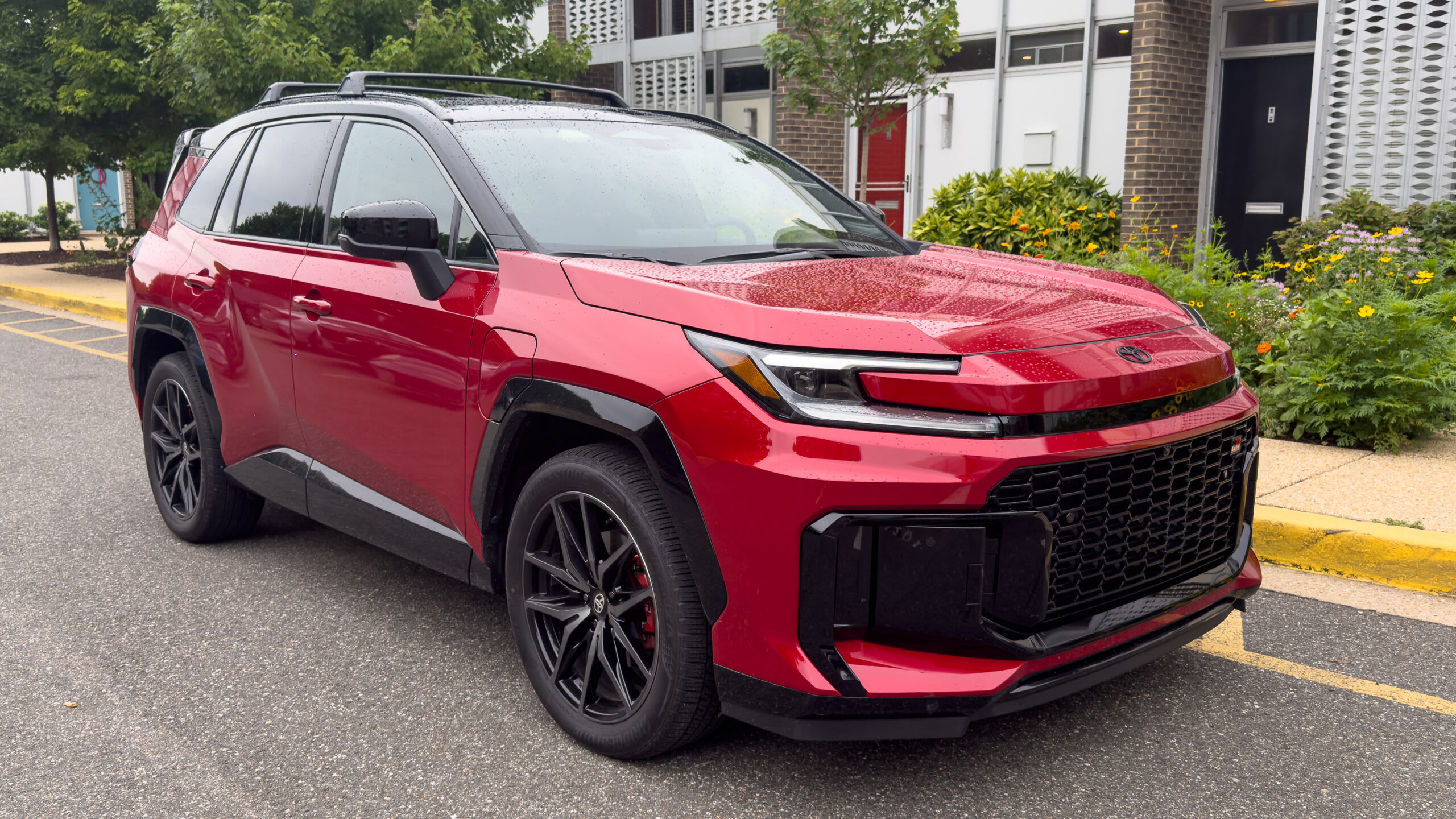
The 2026 Toyota RAV4 introduces an all-new electrified powertrain featuring a 2.5L Atkinson-cycle engine and a planetary gear eCVT. This plug-in hybrid model is designed to enable all-electric daily commutes while leveraging Toyota's reputation for reliability.
The Evolution of a Market Leader: The 2026 Toyota RAV4
For decades, the Toyota RAV4 has maintained a dominant position in the American automotive landscape, consistently ranking as one of the best-selling vehicles that isn't a pickup truck. This success is not accidental but is rooted in a long-standing brand reputation for solid reliability. As consumer preferences have shifted decisively toward SUVs and crossovers, traditional sedans like the Toyota Camry have seen their market share dwindle, pushing them toward the bottom of the top 10 sales charts. The arrival of the sixth generation of the RAV4, since its inception in 1994, represents a strategic pivot toward total electrification across the entire model range.
Engineering the New Electrified Powertrain
At the heart of the 2026 RAV4's plug-in hybrid (PHEV) variant is a sophisticated all-new powertrain designed for maximum efficiency and performance. The system is anchored by a naturally aspirated 2.5-liter four-cylinder engine. To optimize fuel economy and thermal efficiency, Toyota utilizes the Atkinson-cycle, a process that allows for a higher expansion ratio than the compression ratio. This is further enhanced by the implementation of variable valve timing (VVT) on both the intake and exhaust sides, ensuring that the engine breathes efficiently across a wide range of RPMs, thereby reducing emissions and improving fuel consumption.
Redefining Transmission: The eCVT and Planetary Gears
One of the most critical technical advancements in the 2026 model is the departure from conventional continuously variable transmissions (CVTs). Unlike traditional CVTs that rely on belts and cones—which can be prone to wear and efficiency losses—the RAV4 employs an eCVT based on a planetary gear arrangement. This mechanical configuration is far more robust and serves a dual purpose: it manages the power flow between the internal combustion engine and the electric motors while simultaneously sending power to charge the lithium-ion traction battery. This ensures a seamless transition between power sources and enhances the overall longevity of the drivetrain.
The Shift to All-Electric Daily Driving
While most RAV4s in the new generation will operate as standard hybrids—recharging their batteries through internal combustion and regenerative braking, similar to the Prius—the PHEV option offers a distinct advantage. By incorporating a larger battery capacity, the plug-in hybrid is specifically engineered to allow the majority of daily commutes to be completed in all-electric mode. This reduces the reliance on fossil fuels for short-trip urban driving while maintaining the long-range security of a gasoline engine for longer journeys, effectively bridging the gap between traditional hybrids and full battery-electric vehicles (BEVs).
Broader Implications and Future Trends
Toyota's decision to make all RAV4s electrified in the sixth generation signals a broader industry trend toward the inevitable phase-out of purely internal combustion engines. By integrating a high-efficiency Atkinson-cycle engine with a planetary gear eCVT, Toyota is doubling down on a 'hybrid-first' strategy that prioritizes reliability and practicality over the immediate jump to full electrification. This approach caters to a consumer base that values the RAV4's historical reliability but demands the lower carbon footprint and cost savings associated with electric propulsion.
Conclusion
The 2026 Toyota RAV4 plug-in hybrid is more than just a generational update; it is a masterclass in incremental engineering. By refining the Atkinson-cycle engine and implementing a sophisticated eCVT, Toyota has created a vehicle that supports a sustainable, all-electric daily routine without sacrificing the versatility of an SUV. As the market continues to move away from sedans and toward electrified crossovers, the RAV4 is positioned to remain the benchmark for reliability and efficiency in the American market.