Elon Musk's Memphis AI empire is the epicenter of the data center backlash
Source Entity
US Top News and Analysis
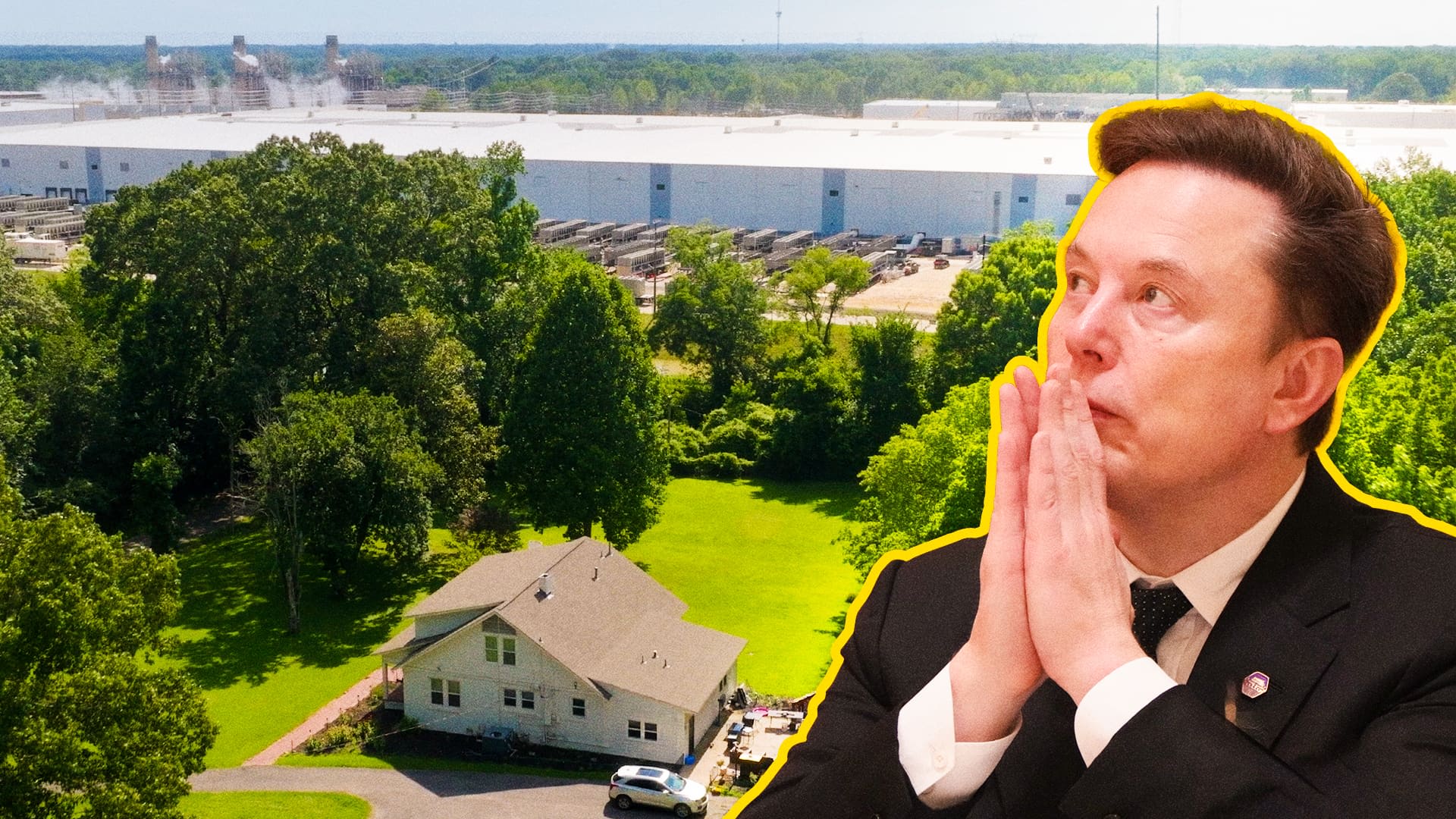
Elon Musk's Colossus AI data centers in Memphis are facing severe public backlash over noise and gas turbine emissions. This local opposition is sparking a national trend, leading to a construction moratorium in New York and new electricity cost legislation in New Jersey.
The Collision of AI Ambition and Local Sustainability
The rapid expansion of artificial intelligence infrastructure has reached a critical tipping point, epitomized by Elon Musk's aggressive development of the Colossus and Colossus II data centers in Greater Memphis. While these facilities represent the cutting edge of AI compute power, they have simultaneously become the epicenter of a growing national backlash. The tension arises from a fundamental conflict between the 'breakneck speed' of technological deployment and the environmental and social stability of the communities hosting this infrastructure.
The Memphis Epicenter: Speed vs. Stability
Musk's approach to infrastructure is characterized by extreme velocity, as evidenced by the Colossus I data center, which was brought online in a staggering 122 days. However, this rapid deployment has come at a cost to the local Memphis population. Residents are now grappling with the tangible negative externalities of these massive sites, specifically the noise pollution and atmospheric emissions generated by the natural gas-burning turbines required to power the AI clusters. This friction highlights a recurring theme in the AI arms race: the willingness of tech giants to prioritize operational speed over local environmental impact assessments.
A Blueprint for National Resistance
The situation in Memphis is no longer a localized dispute; it is serving as a strategic blueprint for other communities across the United States. The public's growing distaste for the industrial footprint of AI—specifically the power plants needed to sustain them—has moved from grassroots complaints to executive action. Even Elon Musk has acknowledged this shift in public sentiment, recognizing that the physical requirements of AI (energy and land) are creating a social friction that cannot be ignored. This shift suggests that the 'move fast and break things' ethos of Silicon Valley is colliding with the regulatory and environmental realities of local governance.
Legislative Counter-Measures in New York and New Jersey
This backlash has manifested in significant policy shifts in the Northeast. In New York, Governor Kathy Hochul has enacted a one-year moratorium on the construction of AI data centers. This move is not merely an environmental precaution but a political flashpoint, drawing direct criticism from U.S. President Donald Trump, a known ally of Musk. Simultaneously, New Jersey Governor Mikie Sherrill has targeted the economic burden of these facilities. By enacting legislation to ensure data center operators pay a 'fair share' for electricity, Sherrill is attempting to prevent the massive energy demands of AI from inflating utility costs for ordinary residents and small businesses.
Political Implications and Future Trends
The intersection of AI infrastructure and state politics is creating new alliances and animosities. The clash between Governor Hochul's moratorium and President Trump's support for Musk underscores how AI development has become a proxy for larger political battles over deregulation versus environmental protection. Moving forward, we can expect a trend of 'AI zoning' where states implement stricter energy quotas and emission standards specifically for data centers. The era of unchecked, rapid expansion is likely ending, replaced by a period of intense negotiation between tech entrepreneurs and state regulators.
Conclusion: The Cost of Intelligence
In summary, the development of the Colossus empire in Memphis has exposed the hidden costs of the AI revolution. While the computational gains are immense, the environmental toll—manifested in noise and gas emissions—and the economic strain on power grids are creating a sustainable crisis. As New York and New Jersey implement restrictive measures, the industry must pivot toward more sustainable energy solutions if it hopes to avoid a wave of moratoriums that could stall the progress of artificial intelligence in the United States.