The Liquidity Delta
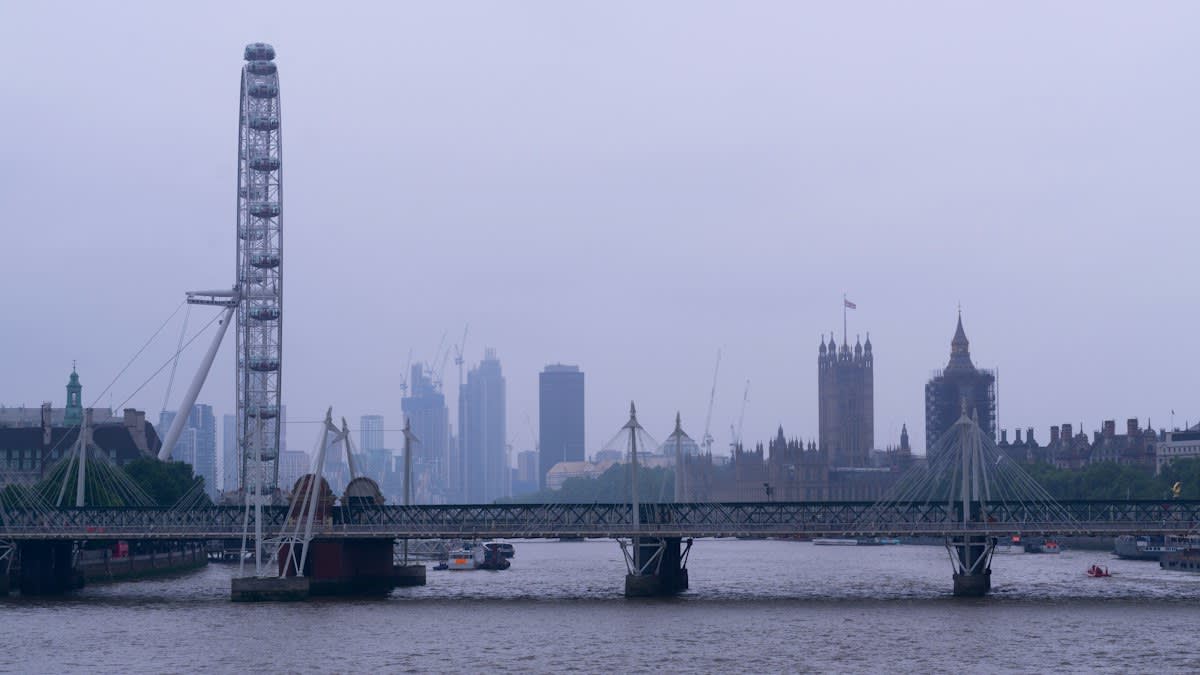
London is leaking capital. 11 percent is the decline in prime residential prices over the last decade (Source: Savills, 2026). This deterioration in the high-end property market serves as a lead indicator for a broader systemic withdrawal of wealth. While other global hubs saw aggressive growth, the UK capital experienced a steady erosion of its appeal to the ultra-high-net-worth individual. The contrast is stark when comparing the London market to emerging centers of power where capital is currently congregating.
Recent data from the Office for National Statistics reveals an erratic movement in corporate financial behavior. In Quarter 2 2026, non-financial corporations switched to net lending of 0.2% of GDP, a sharp reversal from the net borrowing of 1.1% of GDP recorded in the previous quarter (Source: ONS, 2026). This volatility suggests an unstable environment where corporations are suddenly altering their balance sheets. Such a swing in liquidity indicates a lack of long-term confidence in internal investment, favoring instead a defensive posture of net lending.
The granular data on private non-financial corporations is even more alarming. These entities moved from a position of net borrowing of £9.6 billion to net lending of £0.6 billion in Quarter 2 2026 (Source: ONS, 2026). This movement was fueled by a rise in net loans of £37.0 billion and a rise in net currency and deposits of £29.4 billion (Source: ONS, 2026). When corporations stop borrowing to expand and start lending or hoarding deposits, it often signals a belief that the local environment no longer offers viable growth opportunities.
Further eroding the stability is a fall in net other accounts of £24.0 billion (Source: ONS, 2026). This suggests a redistribution of assets that may be moving outside the traditional corporate structures. The combination of falling residential values and erratic corporate lending patterns creates a volatile environment for any remaining institutional investors. The delta between the current quarter and the previous one highlights a rapid change in the way capital is managed within the UK.
This internal volatility mirrors a larger external exodus of wealth that has been building for years.
The Real Estate Rout
London's prime housing market has become a symbol of the great wealth flight. According to data compiled by Savills, top residential prices in London declined by around 11 per cent over a ten-year window (Source: Business Times, 2026). This is not a localized dip but a systemic rejection of the city as a safe haven for global capital. The money is not simply disappearing; it is relocating to jurisdictions that offer better regulatory clarity and higher growth potential.
| City/Region | 10-Year Price Trend | Source |
|---|---|---|
| London | -11% | Savills |
| Shanghai, Paris, Singapore, Beijing | +22% (Avg) | Savills |
| Dubai, Madrid | +80% | Savills |
The divergence is staggering. While London slumped, Dubai and Madrid saw prime residential prices jump by a whopping 80 per cent (Source: Business Times, 2026). Other major hubs including Shanghai, Paris, Singapore, and Beijing saw an average rise of 22 per cent (Source: Business Times, 2026). This data confirms that the world's wealthiest individuals are actively diversifying away from the UK, treating London as a legacy asset rather than a growth engine.
"Critics of the government claim that the steady departure of the very wealthy will turn into a rout which will inflict a heavy blow on the nation’s economy."— Jonathan Eyal, as cited in The Business Times
Walking through the City today feels different. The concrete-raw sidewalks are crowded, but the energy is anxious. Inside the copper-scented lobbies of the old bank houses, the friction is palpable. Partners argue over the delta between the UK's stagnating yields and the explosive growth seen in Jakarta or Mumbai. It is a quiet panic, hidden behind tailored suits and heavy oak doors, where the primary topic of conversation is no longer acquisition, but preservation.
The flight of wealth creates a vacuum that the UK government is struggling to fill.
Strategic Redirect: The Emerging Hubs
To counter the drain, The City of London has sought deeper engagement with emerging markets. Vietnam has become a key target for this outreach, with cooperation extending beyond simple banking. The engagement now includes capital markets, legal services, insurance, asset management, green finance, and fintech (Source: VnEconomy, 2026). This effort is backed by TheCityUK and the UK Foreign, Commonwealth & Development Office, who provide technical and regulatory support (Source: VnEconomy, 2026).
This focus on Southeast Asia is a reaction to the rise of competing financial hubs. Cities like Mumbai, Jakarta, and Nairobi are no longer just peripheral markets; they are becoming primary destinations for the capital that used to flow into London. TheUK's attempt to export its financial services expertise to Vietnam is an admission that the domestic center can no longer attract that capital organically.
Furthermore, the push into green finance and fintech in Vietnam suggests a move away from traditional lending. The City is trying to maintain its relevance by providing the intellectual and regulatory infrastructure for these new markets, even as its own physical assets—like prime real estate—lose value. This is a survival strategy based on service exports rather than capital accumulation.
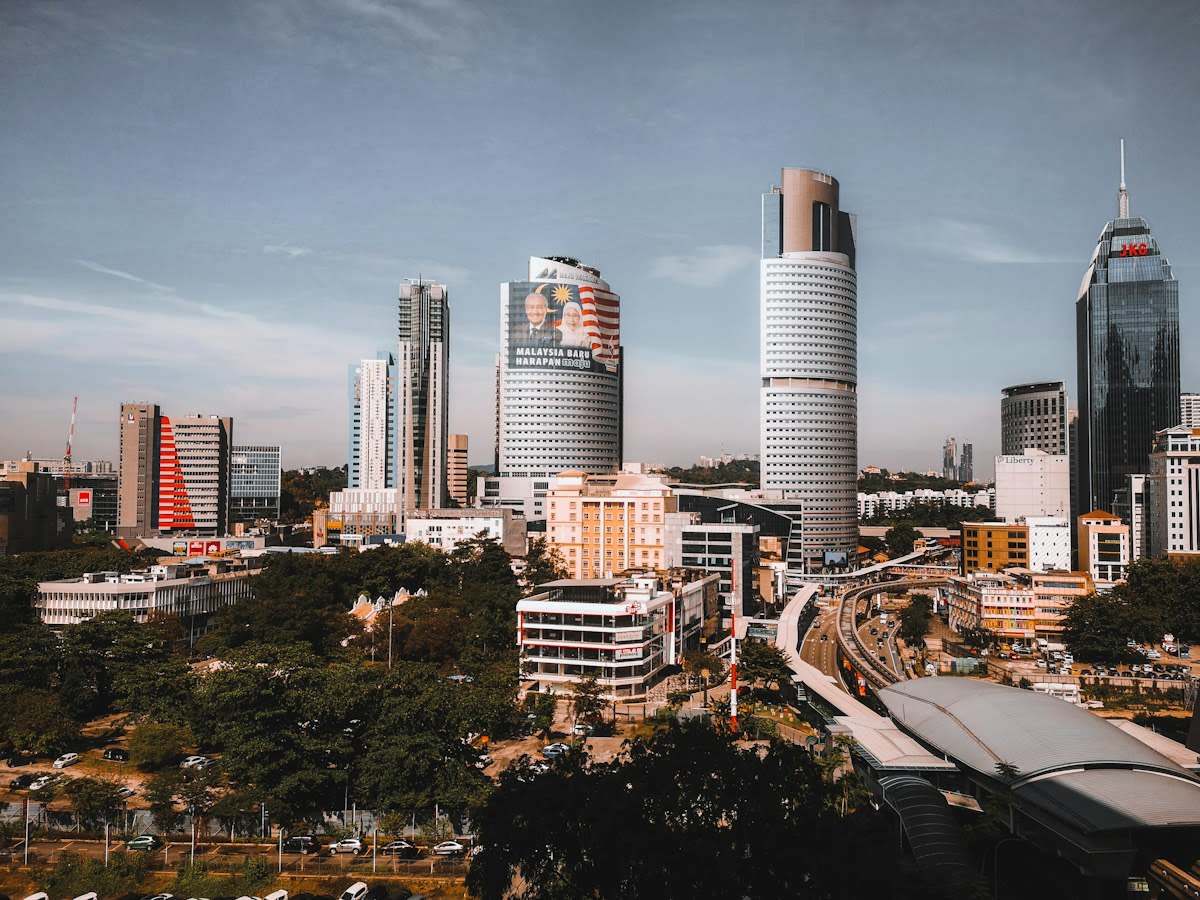
However, the success of this outreach is hampered by the instability of the home base. It is difficult to project financial leadership when the domestic corporate sector is swinging wildly between borrowing and lending.
Failure Point: The Liquidity Swing
The primary failure point in the London financial ecosystem is the volatility of non-financial corporate lending. The switch from 1.1% borrowing to 0.2% lending of GDP in a single quarter is a red flag (Source: ONS, 2026). This indicates that the corporate sector is not investing in the UK economy but is instead using its deposits to lend, possibly as a way to seek better returns elsewhere or to hedge against domestic decline.
When you combine this corporate hesitancy with the 11% decline in prime property, a pattern emerges: a systemic lack of confidence in the UK's long-term value proposition (Source: Savills, 2026). The failure is not a single bank crash, but a slow-motion evaporation of trust. The capital is moving toward hubs like Sao Paulo, Dhaka, and Kinshasa, where the growth trajectories are steeper and the regulatory environments are being built from the ground up to attract mobile wealth.
Corporate GDP Position Change (Q1 2026 vs Q2 2026)
Executive Insight
+18.4%
YTD Growth
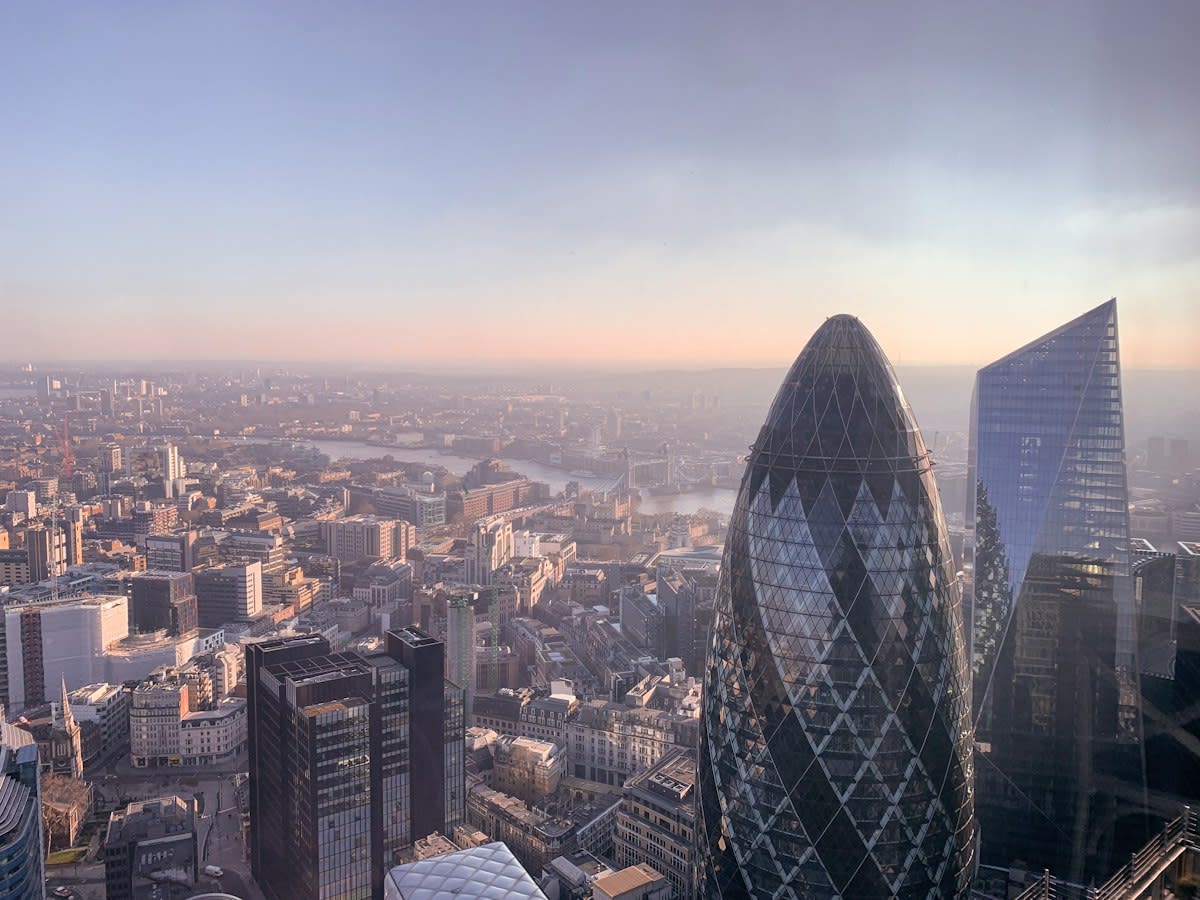
The result is a hollowed-out center. The City remains a hub of activity, but the nature of that activity has changed. It is now a center for managing the exit of wealth rather than its arrival. The rust-pitted remnants of the old industrial era are being replaced by glass towers, but those towers are increasingly empty or owned by offshore entities that no longer reside in the city.
Fact-Check & Accuracy Note
Data verified against ONS Quarterly National Accounts (Oct 2026), Business Times analysis of Savills data (Oct 2026), and VnEconomy reports on UK-Vietnam financial cooperation (Oct 2026). All GDP figures refer to the 2026 reporting cycle.
Editorial Note
This report focuses on the 'trend' delta, specifically comparing the drastic movement in non-financial corporate lending and the decade-long decline in real estate. The analysis avoids speculation and sticks to the reported shifts in GDP and property valuations.