Russia responds to US help offer after death of plague researcher
Source Entity
BBC News
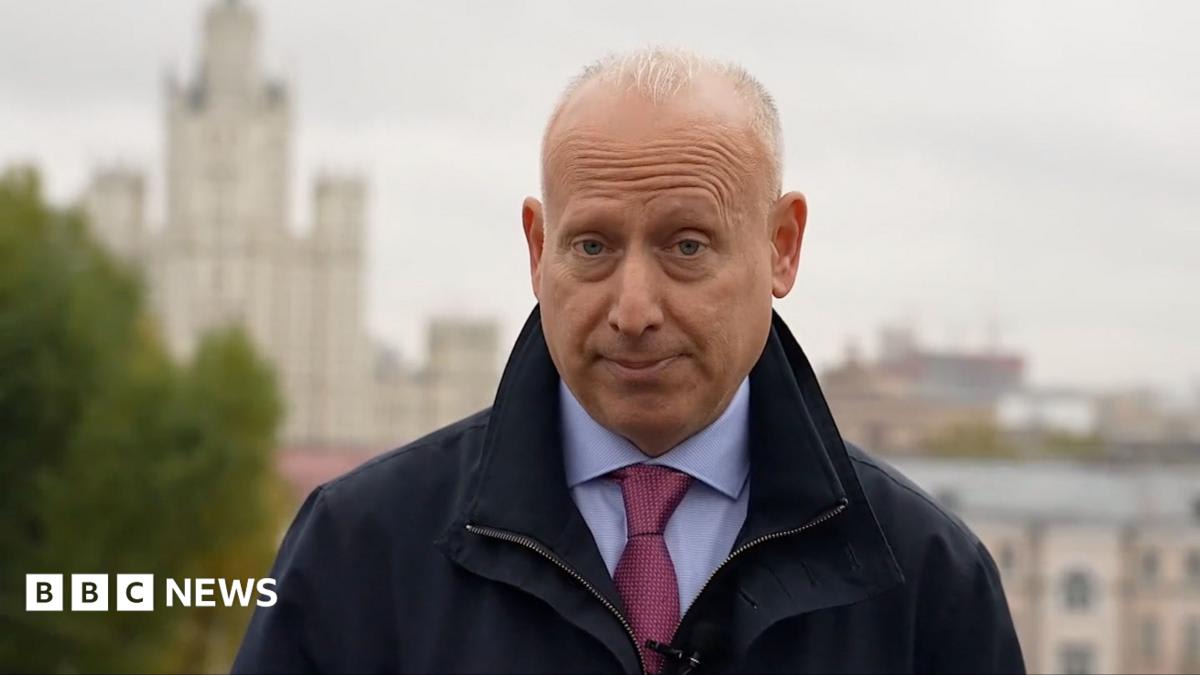
A Russian lab technician's death at a Siberian plague research center has triggered international concern and a US health alert. While Russian authorities maintain the situation is stable, the US has reiterated its Level 4 travel advisory amid ongoing uncertainty.
The Irkutsk Incident: Uncertainty and International Concern
The death of a laboratory technician at a plague research facility in Irkutsk, Siberia, has ignited a complex diplomatic and public health discourse. While Russian authorities have officially cited the cause of death as "pneumonia of unknown origin," the incident has drawn significant international attention due to the specialized nature of the facility, which handles plague bacteria. The lack of granular transparency regarding the circumstances leading to the fatality has left infectious disease experts questioning the containment protocols and the precise nature of the exposure.
The Intersection of Public Health and Geopolitics
The incident occurs against a backdrop of highly strained U.S.-Russia relations. The United States State Department has responded by reiterating its Level 4 'Do Not Travel' advisory for Russia, a designation that has been in place since the 2022 invasion of Ukraine. This health alert, while framed within the context of potential pneumonic plague fears, underscores the broader difficulty in verifying information from high-security research sites in Russia. The U.S. offer of assistance, acknowledged by Kremlin spokesman Dmitry Peskov, highlights a rare moment of potential scientific cooperation that remains largely symbolic given the current geopolitical climate.
Internal Russian Communication and Containment
Within Russia, the government has moved to mitigate potential panic, with Kremlin spokesman Dmitry Peskov urging the public to disregard rumors and rely solely on the Russian public health watchdog. This directive reflects a standard centralized approach to crisis management, though it contrasts with reports from the ground. Local accounts suggest that approximately 200 individuals have been placed under medical observation or quarantine in the Irkutsk region. Furthermore, there are unverified reports that a laboratory incident involving bacterial handling preceded the researcher's death, a detail that, if confirmed, would be critical to understanding the biological risks involved.
International Oversight and Verification
The role of the World Health Organization (WHO) remains pivotal yet constrained by the reporting mechanisms of member states. Russia has informed the WHO that no cases of plague have been officially recorded in Irkutsk, though the status of the deceased lab worker within these statistics remains ambiguous. The inability of independent bodies to verify the nature of the research facility's incident leaves a gap in global health security intelligence. Experts argue that without external validation or transparent data sharing, the international community must rely on cautious travel advisories to protect its citizens.
Future Trends and Epidemiological Implications
Looking forward, the Irkutsk incident serves as a stark reminder of the risks associated with laboratories that handle high-consequence pathogens. The global trend toward increased scrutiny of biocontainment facilities is likely to intensify following this event. Future developments will depend on whether Russian authorities release more detailed epidemiological data or if secondary cases emerge from the 200 individuals currently under observation. Until such clarity is provided, the international community will likely maintain its current posture of high caution, treating the situation as a potential biological security risk rather than a contained local incident.
Multiple Citing Sources