Rebounding oil exports through Strait of Hormuz are vulnerable to stepped-up Iranian tanker attacks
Source Entity
US Top News and Analysis
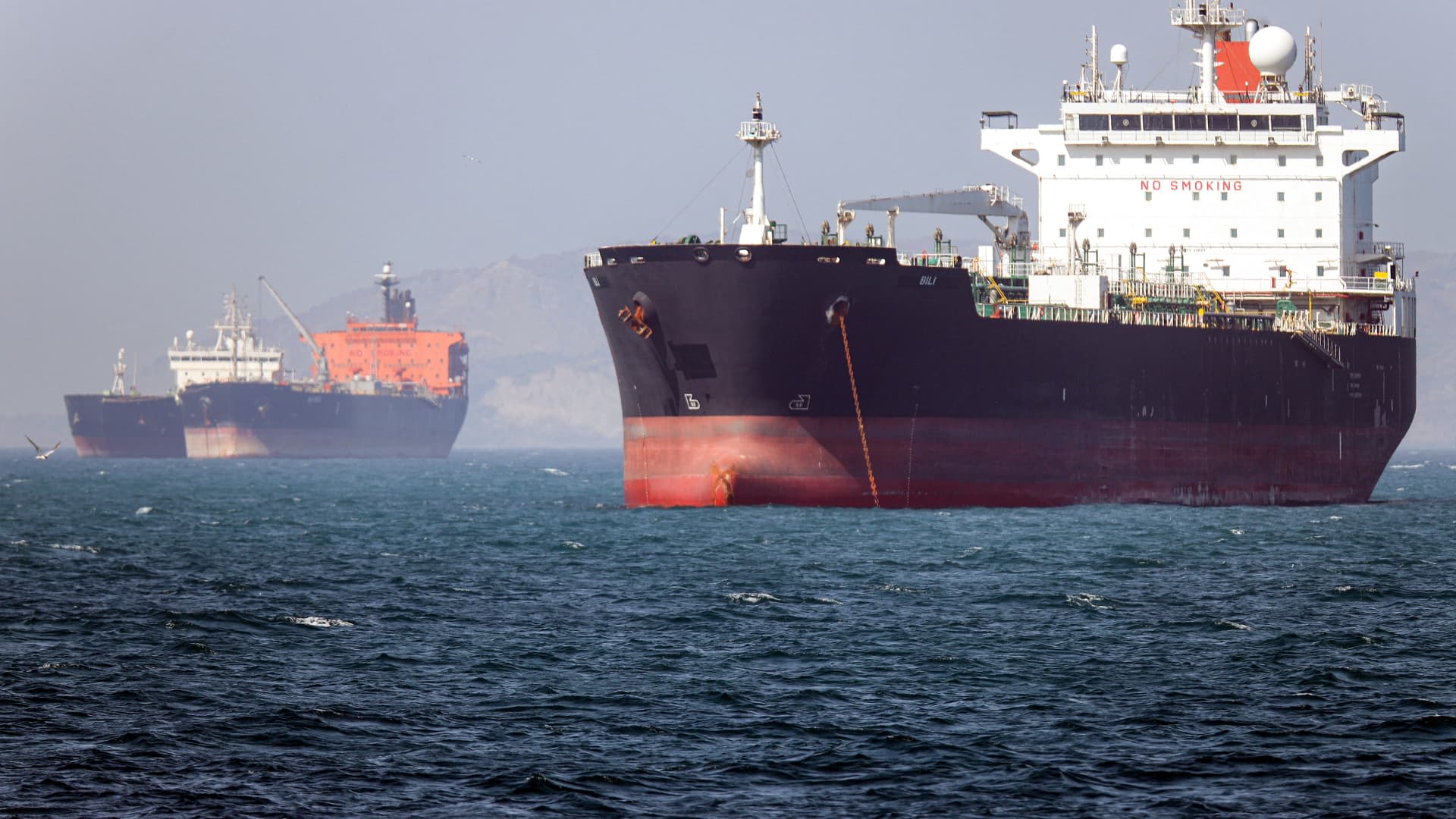
Recent escalations in Iranian attacks on commercial tankers in the Strait of Hormuz are threatening global oil supply chains. Increased military intervention is now required to safeguard these critical maritime routes as vessel strike rates rise.
The Fragile State of Global Energy Transit
The global energy market is currently facing a significant security challenge as Iran has intensified its aggressive posture toward commercial shipping in the Strait of Hormuz. With nearly 20 commercial vessels, primarily oil tankers, targeted over the past month, the stability of one of the world's most vital maritime chokepoints is under severe strain. This development threatens a fragile recovery in crude oil exports from the Persian Gulf, raising concerns among global stakeholders regarding energy security and market volatility.
Quantifying the Escalation
According to data provided by the Joint Maritime Information Center—a coalition of U.S.-allied militaries tasked with monitoring maritime safety—the geographic scope of these attacks extends beyond the Strait of Hormuz to include the broader Persian Gulf and the waters off the coast of Oman. The frequency of these incidents is alarming; analytical insights from Windward suggest that during the third quarter, Iran successfully attacked approximately two ships for every 100 vessels transiting the strait. This strike rate represents a tangible risk to the commercial shipping industry and underscores the calculated nature of the maritime harassment.
The Role of Maritime Intelligence
Senior maritime intelligence analyst Michelle Wiese Bockmann has highlighted that these figures are not merely anecdotal but are part of a tracked pattern monitored by defense departments and governments worldwide. By utilizing satellite tracking and intelligence gathering, the international community has confirmed that the threat is persistent. The ability of Iran to disrupt transit at such a high frequency complicates the logistics of energy transport, forcing shipping companies to grapple with increased insurance premiums and the necessity for enhanced security protocols.
Dependence on Military Intervention
Currently, the continued flow of oil through the Strait of Hormuz is heavily predicated on a significant U.S. military commitment. The presence of these naval forces serves as a necessary deterrent to protect merchant vessels navigating the chokepoint. However, this reliance on military intervention highlights the underlying instability of the region. Without this external protection, the current volume of oil exports would likely face immediate and drastic disruption, potentially triggering a spike in global energy prices.
Broader Implications and Future Trends
Looking ahead, the situation in the Strait of Hormuz is likely to remain a flashpoint in international relations. As long as Iran maintains its strategy of targeting commercial shipping, the global economy will remain tethered to the efficacy of Western-led maritime security operations. Future trends indicate that shipping firms may seek alternative, albeit more expensive, transport routes or demand further militarization of commercial lanes. The long-term stability of the Persian Gulf as an energy hub remains in question as long as these maritime security challenges persist.