Trump makes it clear his power is becoming entwined with AI
Source Entity
Blake Montgomery
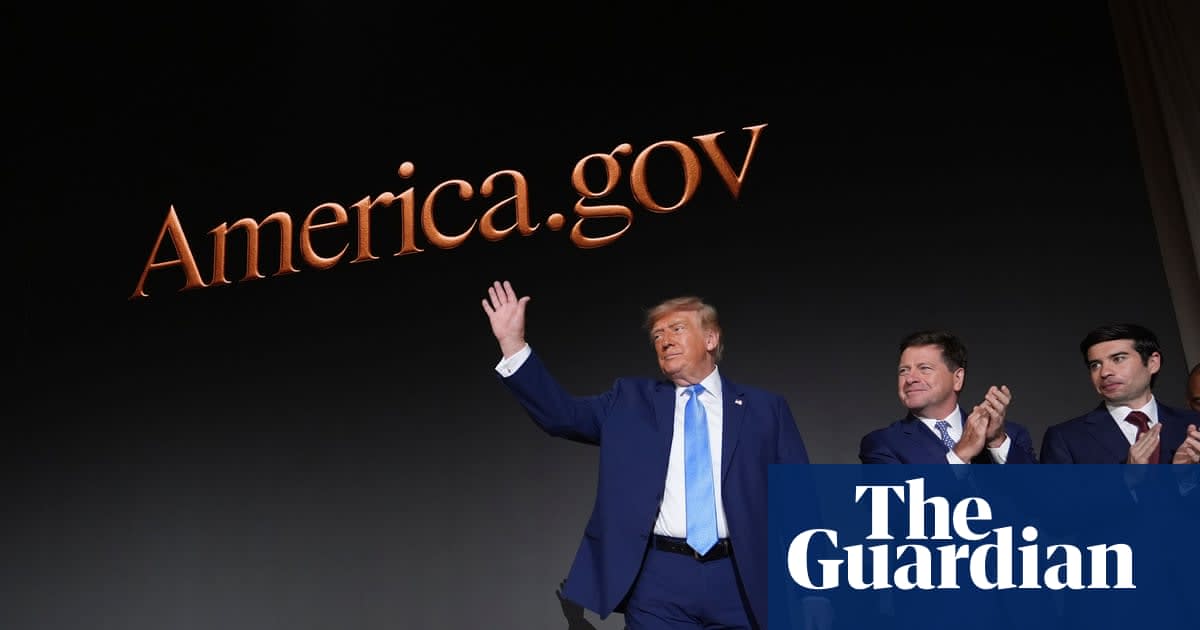
President Trump has consolidated his administration's influence by forging deep alliances with major AI corporations. This strategy, centered on a 'morally binding' self-policing agreement, signals a shift toward a technocratic governance model.
The Rise of Technocratic Governance in the Trump Era
Recent developments indicate a profound shift in the landscape of American governance, as President Donald Trump increasingly aligns his executive power with the rapid advancement of artificial intelligence. By fostering direct, high-level alliances between the White House, the Pentagon, and leading US intelligence agencies, the administration is effectively positioning AI as a central pillar of national strategy. This consolidation of power suggests a move toward a technocratic model where the boundaries between state authority and private sector technological development are becoming increasingly blurred.
The 'Morally Binding' Framework
Central to this shift is the recent agreement signed between Trump and the CEOs of six major AI corporations. Described by the President as a “morally binding” framework, the initiative emphasizes "self-policing" as the primary mechanism for oversight. While the administration frames this as a proactive measure, critics note the vagueness of the language used, which prioritizes industry autonomy over rigorous regulatory standards. By choosing self-regulation, the administration effectively delegates the governance of powerful technologies to the very entities currently driving their development.
Geopolitical Implications for Europe
The implications of this domestic consolidation extend far beyond American borders, creating significant uncertainty for international partners. Governments and private enterprises in Europe, many of which remain heavily dependent on American AI infrastructure and software, now find themselves navigating a new reality where their digital sovereignty may be compromised. As the US government and its corporate partners move in lockstep, European nations face the difficult task of balancing their reliance on American technological superiority with their own distinct regulatory philosophies, such as the EU AI Act.
Integrating Intelligence and Defense
The inclusion of the Pentagon and US intelligence agencies in this new alliance signals that AI is being prioritized as a matter of national security rather than merely a commercial pursuit. By entwining executive authority with the operational capabilities of AI firms, the administration is creating a feedback loop where private sector data and innovation directly inform federal defense and intelligence strategies. This integration raises fundamental questions regarding the transparency and accountability of AI systems that operate at the intersection of public and private interests.
Future Trends and Ethical Concerns
Looking ahead, this trend toward a technocratic alignment is likely to accelerate. As AI becomes more deeply embedded in the mechanisms of the state, the ability of traditional legislative bodies to provide meaningful oversight may diminish. The reliance on "self-policing" agreements suggests a preference for agility over institutional checks and balances. If this trajectory continues, the global AI landscape may become increasingly bifurcated, with American-aligned systems operating under a corporate-executive hybrid model, potentially setting the stage for long-term international friction over technological standards and ethics.