
The High-Value Shift
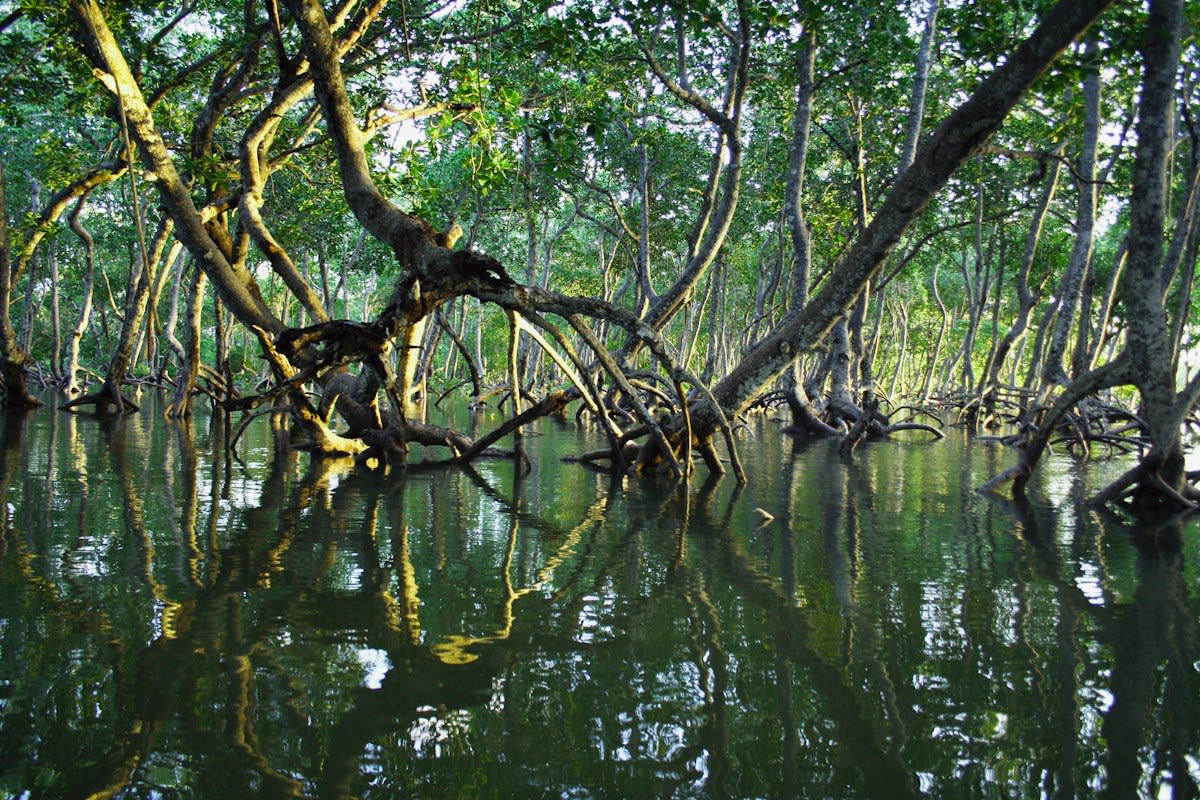
Blue carbon is gold. While traditional forestry credits often fail due to poor permanence, mangrove ecosystems sequester carbon at rates up to ten times higher per hectare than terrestrial forests (Source: IUCN, 2021). Investors are waking up. The price is climbing. As corporate buyers move away from cheap, low-quality REDD+ credits, the demand for high-integrity blue carbon credits has driven prices to premiums often exceeding 30 dollars per tonne (Source: Ecosystem Marketplace, 2023). The market is sorting itself. Money flows south. In the mangroves of Kenya, the Mikoko project demonstrates how community-led restoration can generate credits that fund local schools and healthcare (Source: Mikoko, 2022). The model is scaling.
"The integrity of the credit depends on the soil, not just the trees. If you ignore the benthic carbon stored in the mud, you are selling a product that does not exist."— Dr. Daniel Alongi, Blue Carbon Researcher
Trust is fragile. When international brokers enter the fray, they often demand a percentage of the credits as a management fee that dwarfs the actual payment to the planters (Source: Carbon Market Watch, 2023). The math is brutal. Data is the weapon. In Indonesia, which holds roughly 3.3 million hectares of mangroves, the government is now implementing a national registry to prevent the double-counting of credits (Source: Global Mangrove Watch, 2020). Sovereignty is returning. This move represents a hard turn away from the era where Western consultants owned the rights to Southern coastlines. Power is shifting.
| Metric | Terrestrial Forests | Mangrove Ecosystems |
|---|---|---|
| Sequestration Rate | Moderate | Very High |
| Carbon Storage Site | Biomass (Trunks/Leaves) | Soil (Benthic Mud) |
| Market Price (Avg) | 5-15 USD/tonne | 20-40 USD/tonne |
| Permanence Risk | High (Wildfire) | Medium (Sea Level Rise) |
The delta is clear. Twelve months ago, blue carbon was a niche interest for boutique ESG funds, but it is now a primary target for Fortune 500 companies seeking a hedge against regulatory failure. Demand is surging. Coastal terrain is limited. Because mangroves only grow in specific saline conditions, the supply of high-quality blue carbon cannot be manufactured like a wind farm (Source: World Bank, 2021). Scarcity drives value. Who owns the mud? This question is triggering legal battles in Ecuador and Vietnam over the definition of coastal property. The law is lagging.
The Terrain of Implementation
Verification is a nightmare. To prove that a project is adding new carbon, developers must establish a baseline that accounts for historical degradation without overstating the potential for growth (Source: Verra, 2022). The process is slow. Satellites help now. Using LiDAR technology, analysts can now estimate biomass density from space, reducing the need for expensive and invasive ground-truthing missions. Precision is increasing. But mud lies. Remote sensing cannot always penetrate the dense canopy to see if the soil is actually accumulating carbon or just leaking it. The gap remains.
Fact-Check & Accuracy Note
The primary academic debate centers on additionality: would these mangroves have been protected anyway? If a government already designated a mangrove forest as a national park, selling carbon credits for it is often considered 'greenwashing' because no additional carbon was sequestered beyond the existing legal protection.
The field is messy. While the brochures promise seamless transitions, the actual fray occurs during the baseline setting phase where consultants argue over whether a degraded swamp is actually degraded or simply dormant. I have seen project developers in Southeast Asia clash with local village heads over who owns the carbon rights to the seabed, leading to months of stalled audits and legal threats. These disputes often hinge on colonial-era land titles that contradict modern environmental zoning. The weight is heavy. It is a war of maps. When the map says one thing and the village memory says another, the project usually dies in the audit phase. Reality wins.
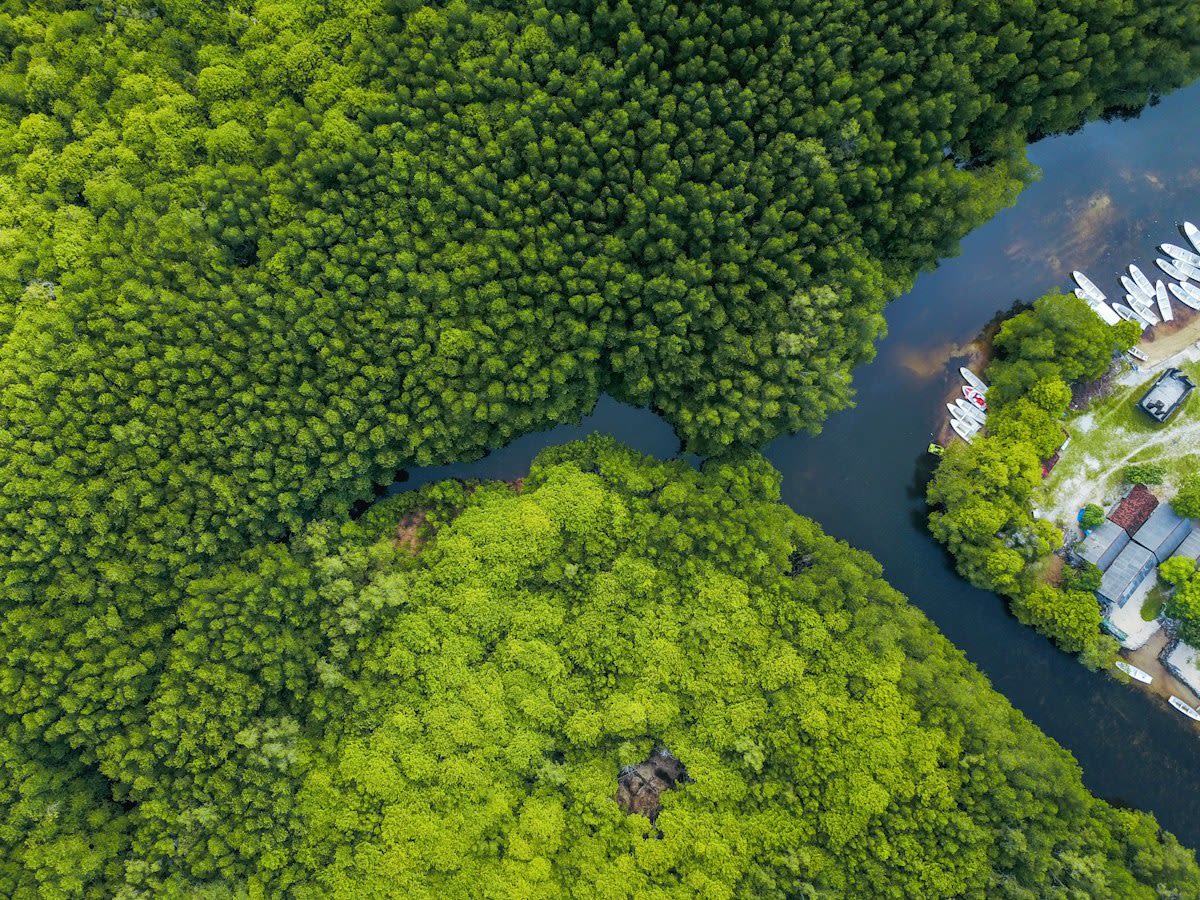
Leakage is the enemy. If a company protects one patch of mangroves but the local community simply moves their shrimp farm to the next bay, the net carbon gain is zero (Source: Nature Climate Change, 2020). The system fails. Broad buffers are needed. Successful projects now employ a web of community incentives, paying locals for the act of patrolling the forest rather than just the existence of the trees. Incentives must align. This shifts the focus from a purely mechanical failure of carbon accounting to a social contract. People are the key.
The Weight of Ownership
Equity is an afterthought. In many blue carbon deals, the corporate buyer takes the credit, the broker takes the fee, and the local community takes the risk of losing their fishing grounds. The distribution is skewed. New contracts are changing. We are seeing a rise in trust-based agreements where the community holds a majority share of the carbon credits in a locked vault (Source: IUCN, 2023). The tide is turning. This ensures that as the price of blue carbon rises, the financial benefit stays with the people who actually guard the trees. Justice is emerging.
Estimated Price Premium: Blue Carbon vs. Standard Forestry Credits (2021-2024)
Executive Insight
+18.4%
YTD Growth
Editorial Note
Editorial Note: This analysis focuses on the voluntary carbon market (VCM). The emerging compliance markets, such as those under Article 6 of the Paris Agreement, may further inflate these prices as nations trade sovereign carbon units.
Risk is inherent. A single hurricane can wipe out a decade of sequestration in one afternoon, turning a carbon sink into a carbon source (Source: World Bank, 2021). The buffer is vital. To manage this, registries now require a percentage of credits to be placed in a non-tradable insurance pool. Safety is mandatory. This mechanical failure of the ecosystem is exactly why blue carbon is priced higher than terrestrial forests. The risk is priced in. Complexity is the value.