Everyone is talking about the next iteration of a Large Language Model. It is exhausting. While the tech elite argue over token windows, a more visceral realignment is occurring in the dirt and the steel. We are witnessing a return to material realism. The real strategic winners aren't those optimizing a prompt, but those securing the means of physical production.
The Noida Industrial Complex: More Than Just Factories
Look at India. The Department of Fertilizers is not playing around with digital twins; they are organizing high-level Pre-Expression of Interest meetings at PDIL to establish Green Urea Plants. This is about food security and carbon neutrality, stripped of the marketing fluff. When you bring together NTPC, the Solar Energy Corporation of India, and electrolyzer manufacturers in one room in Noida, you aren't discussing a 'digital transformation.' You are discussing the literal chemistry of national survival.
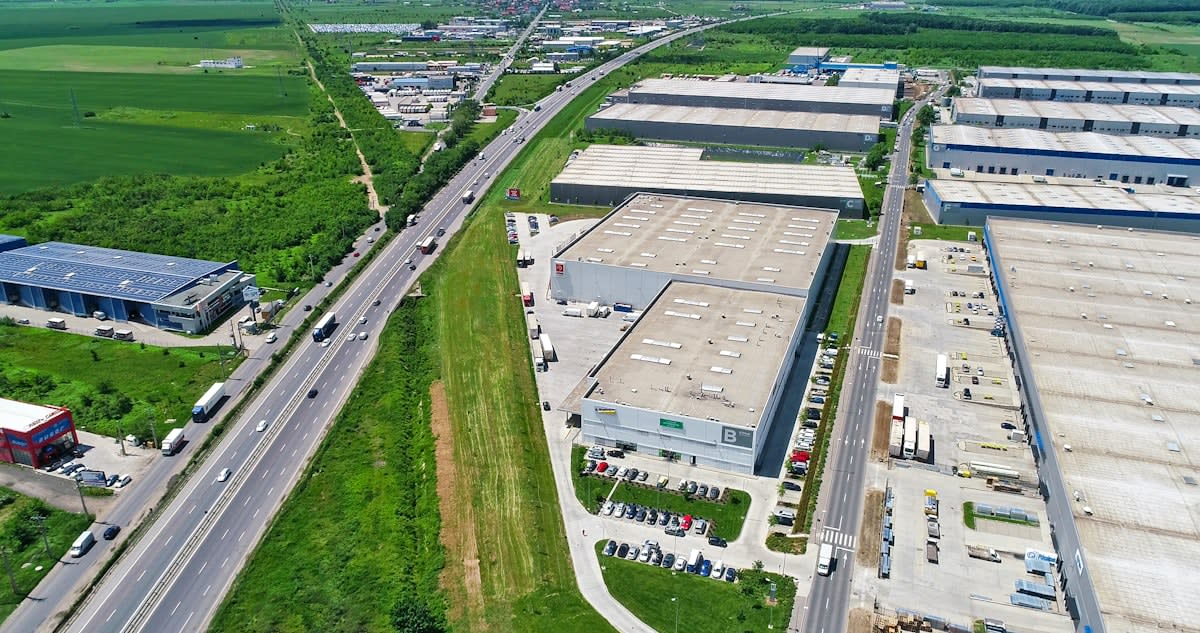
Simultaneously, Amber Enterprises India Ltd is claiming 116 acres in Uttar Pradesh. They aren't building a co-working space. They are erecting an HDI PCB plant with Korea Circuit Co. and an 'Ultra Mega AC' facility. Why? Because relying on imports for high-tech circuit boards is a strategic liability. This is a calculated move to own the hardware layer of the economy.
The Hardware Hedge
The strategy is clear: Reduce import reliance by aggressively expanding domestic manufacturing footprints. 116 acres of land is a much stronger hedge than a software license.
This trend of physicalist sovereignty isn't limited to the subcontinent. It is a global contagion of pragmatism.
Beijing's Supply Chain Fortress
In Beijing, the 4th China International Supply Chain Expo (CISCE) recently gathered over 100 agribusinesses. The focus? AI-driven innovation, yes, but applied specifically to the agri-food supply chain. The 'Joint Initiative on Building a Secure and Resilient Global Agriculture and Food Supply Chain'—led by COFCO and backed by giants like Cargill and Syngenta—is less about 'innovation' and more about safeguarding the calories that keep a population stable.
Then there is the financial plumbing. The Bank of China (Hong Kong) and TVB recently hosted the 'Wealth Management Expo 2026.' The subtext was blatant: use the RMB to empower enterprises to go global. They aren't just trading currency; they are building a financial architecture that bypasses traditional Western bottlenecks.
| Region | Strategic Asset | Primary Objective | Scale/Metric |
|---|---|---|---|
| India | Green Urea & HDI PCBs | Import Substitution | 116 Acres (Amber Ent.) |
| China | Agri-Food Supply Chains | Food Security | 100+ Agribusinesses |
| Hong Kong | RMB Internationalization | Financial Autonomy | Enterprise Global Expansion |
While the East builds walls of steel and grain, the West is bogged down in the semantics of regulation.
The Friction of the Intangible
Contrast the physical expansion in Noida with the legislative gridlock in Washington. Senators Adam Schiff and John Curtis are currently questioning the CFTC over prediction markets. Their argument? These markets are not in the public interest and should be treated as gambling rather than derivative products. It is a classic Western struggle: trying to regulate the ghost in the machine while other nations are building the machine itself.
"Prediction market contracts are not in the public interest and should not be treated as derivative products with hedging value."— Senators Adam Schiff and John Curtis
Even in high-tech medicine, the gap between regulatory approval and financial viability is a chasm. Modular Medical received FDA clearance for MODD1 in September 2024 and Pivot in April 2026. But look at the 10-K summary: a net loss of $28.2M for fiscal 2026. R&D swallowed $20.0M. The product is commercially available, but the balance sheet is bleeding.
Modular Medical Financial Erosion
Executive Insight
+18.4%
YTD Growth
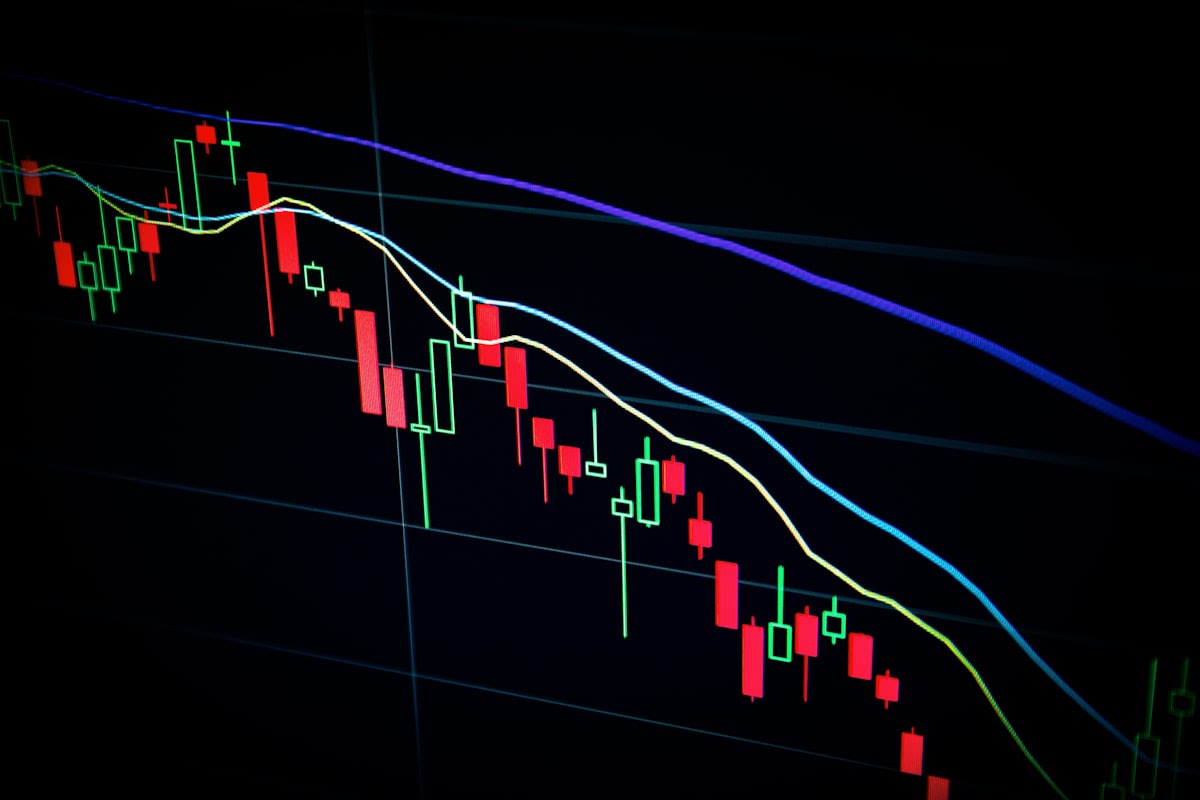
What does this tell us? It tells us that the 'intangible economy'—prediction markets, biotech R&D, software—is fraught with volatility and regulatory fragility. The 'tangible economy'—urea, PCBs, grain—is where the actual power is consolidating.
The New Hierarchy of Value
We are entering an era of Optimistic Realism. The goal is no longer to 'disrupt' for the sake of disruption, but to adapt for the sake of resilience. The most successful entities of the next decade will be those who can marry high-tech efficiency with low-tech reliability.
- Physical capacity is the only true hedge against geopolitical instability.
- Regulatory friction in the West is creating a vacuum that the East is filling with hard assets.
- FDA clearances and software patents are meaningless without a sustainable path to revenue, as seen in the $12.36 EPS loss of Modular Medical.
Forget the hype. Stop looking at the screen and start looking at the shipping manifests. The future is being built in 116-acre plots and green ammonia plants. That is where the real game is being played.