
The Death of the Wait-and-See Playbook
Live from the global markets, the narrative is shifting. For months, macro-pundits warned of consumer exhaustion and enterprise gridlock. But the hard data landing on our desks this June 2026 tells a completely different story of resilient execution. From the streaming hubs of Los Angeles to the industrial manufacturing centers of Houston, and the tech corridors of Silicon Valley, companies are rewriting their operational playbooks. They are no longer waiting for macroeconomic headlines to improve. Instead, they are building their own momentum.

The delta between consumer sentiment surveys and actual spending behavior has reached a historic wide point. Nowhere is this clearer than in the entertainment sector, where consumers are fiercely protecting their core digital utilities while ruthlessly cutting secondary services.
The 'Must-Have' Reality: Streaming's Great Divide
Look at the numbers. Antenna's newly released June 2026 report reveals that Netflix has maintained a rock-solid 2% monthly subscriber churn rate for 12 consecutive months. How is this possible in an era of supposed subscription fatigue? While the weighted churn across nine premium services sits at a more volatile 4%, Netflix continues to act as an essential utility. In May 2026 alone, it captured a staggering 4.9 million signups, the highest single monthly performance in the premium tier.
May 2026 Premium Streaming Churn Rates (%)
Executive Insight
+18.4%
YTD Growth
This stability shows a massive divergence from the churn rates of its closest competitors. While legacy giants struggle to keep audiences locked in, challengers like Paramount+ and Peacock are relying on aggressive, high-volume sign-up campaigns to offset their losses, marking a clear division between 'must-have' core channels and temporary add-ons.
| Streaming Service | May 2026 Churn Rate | 12-Month Performance Trend |
|---|---|---|
| Netflix | 2% | Flat at 2% for 12 consecutive months |
| Disney+ | 3% | Moderate stability with slight seasonal fluctuations |
| Hulu | 4% | Aligned with the weighted industry average |
| Industry Weighted Average | 4% | Reflects heightened competitive switching |
This is not just about entertainment; it is a fundamental lesson in consumer behavior that transcends industries. This same dynamic was the talk of the HSMAI Commercial Strategy Conference in San Antonio on June 16-17, 2026. Hospitality leaders realized that waiting for consumer surveys to match reality is a losing strategy. Consumers are talking about economic anxiety but spending real dollars on experiences.
"If you are waiting for the headlines to improve before investing in marketing, revenue strategy, or guest experience, you may be waiting for a signal that is never coming."— Sonya Taylor, Hospitality Industry Analyst at HSMAI 2026
From Oilfields to AI: The Death of the Fixed Schedule
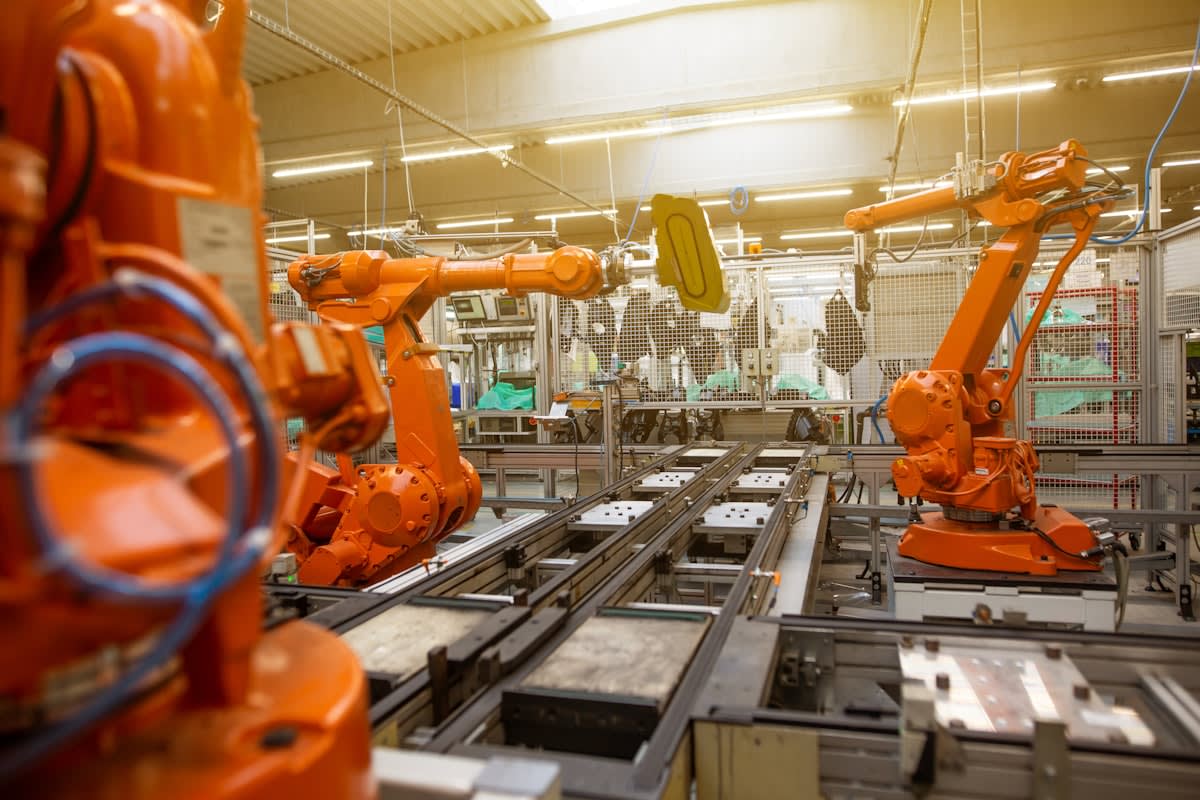
We are seeing this exact same bias toward real-time action in heavy industry and professional services. Consider National Oilwell Varco (NOV). They are aggressively steering operators away from arbitrary calendar-based maintenance schedules. Why service a pumpjack or compressor based on the calendar when you can use NOV's Max Maintenance platform to trigger actions based on real-world usage and condition data?
This rejection of legacy systems is also tearing through the legal sector. Just this month, in June 2026, founder Kristina Subbotina emerged from stealth with Lexsy, an AI-powered legal operating system for startups. After leaving Cooley to build a traditional firm, Lawlace, which brought in $1.3 million in revenue over two years, Subbotina realized that founders did not want traditional billable hours—they wanted rapid, tech-driven legal infrastructure.
- Lexsy launched out of stealth in June 2026 with $372,000 in annual recurring revenue (ARR).
- The firm transitioned existing startup clients from a traditional billing model to automated workflows.
- Growth was driven entirely by organic word-of-mouth and social media leverage.
The Strategic Takeaway
The overarching takeaway of mid-2026 is clear: waiting for macroeconomic headlines to clear is a recipe for irrelevance. The winners of this cycle are those building automated, usage-based, and highly resilient systems today.