Silk rots fast. The chemical degradation of organic fibers ensures that only a fraction of ancient weaves survive the crushing weight of millennia in anaerobic tombs. The market rewards the rarest organic survivors. Why do collectors pay six figures for a frayed piece of linen? They buy the rarity of a preserved moment. This trade rewards those who can prove a piece did not leave its country of origin illegally.
Paper governs art. The 1970 UNESCO Convention on the Means of Prohibiting and Preventing the Illicit Import, Export and Transfer of Ownership of Cultural Property creates a hard wall for any textile without a pre-1970 pedigree. Provenance remains the only currency that actually matters. Without a clear chain of custody, an artifact is a liability. The risk of repatriation claims can wipe out a portfolio overnight.
Prerequisites for Market Entry
Start with documentation. You cannot enter the high-end market without a certified provenance report that traces the object back at least fifty years to avoid modern looting laws. Legal clarity is the first step. Do you have the original export permits? If the paperwork is missing, the object is effectively unsellable in reputable houses. Check the ICOM Red Lists immediately.
- Certified Carbon-14 dating report from a recognized laboratory.
- Export licenses from the country of origin (pre-1970).
- Conservation assessment detailing the current state of fiber decay.
- High-resolution microscopic analysis of the weave and dye composition.
The Monetization Process
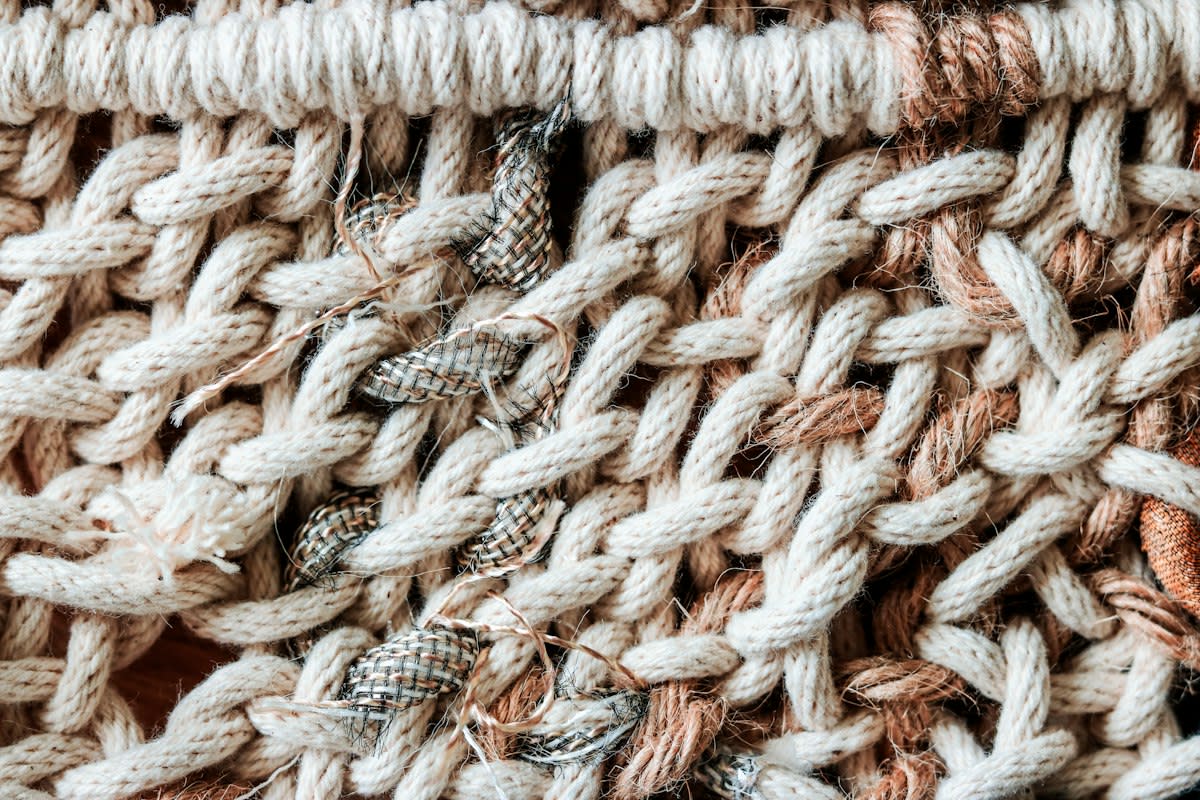
Stability comes first. Organic fibers are hypersensitive to humidity and light, meaning any attempt to move them without a climate-controlled environment can lead to immediate attrition. Stabilization prevents total loss. A professional conservator must neutralize acids and reinforce the web of the fabric. This process increases the final hammer price by ensuring the piece will not disintegrate during shipment.
- Verify Provenance: Cross-reference the object with the Art Loss Register and ICOM databases to ensure it is not stolen (Source: ICOM, 2004).
- Physical Stabilization: Employ a textile conservator to apply archival-grade supports and remove harmful particulates without damaging the original dye.
- Stylistic Attribution: Engage a domain expert to identify the specific region, such as the Ica Valley for Paracas textiles or the Nile Delta for Egyptian linens.
- Market Valuation: Analyze recent auction results for similar weave densities and preservation states (Source: Artnet, 2023).
- Legal Clearance: Secure a legal opinion letter stating the object's import into the current jurisdiction was lawful.
Valuation is brutal. A high-quality Paracas mantle can fetch between $50,000 and $200,000 depending on the complexity of the iconography and the state of the pigment (Source: Artnet, 2022). Rarity drives the cost. However, a single hole or a patch of mold can slash the value by forty percent. The buyer is paying for the illusion of timelessness.
"The market for ancient textiles is not about the fabric itself, but the verifiable history of the fabric's survival against the odds of nature."— Elena Rossi, Senior Curator at the Institute of Textile Antiquities
Experts fight often. The clash between the stylistic school and the documentary school creates a fray in the auction house where one curator insists a Paracas mantle is authentic because the weave matches known patterns from the Ica Valley while the lawyer demands a bill of sale from 1920. These disputes stall sales. The tension stems from the fear of repatriation claims.
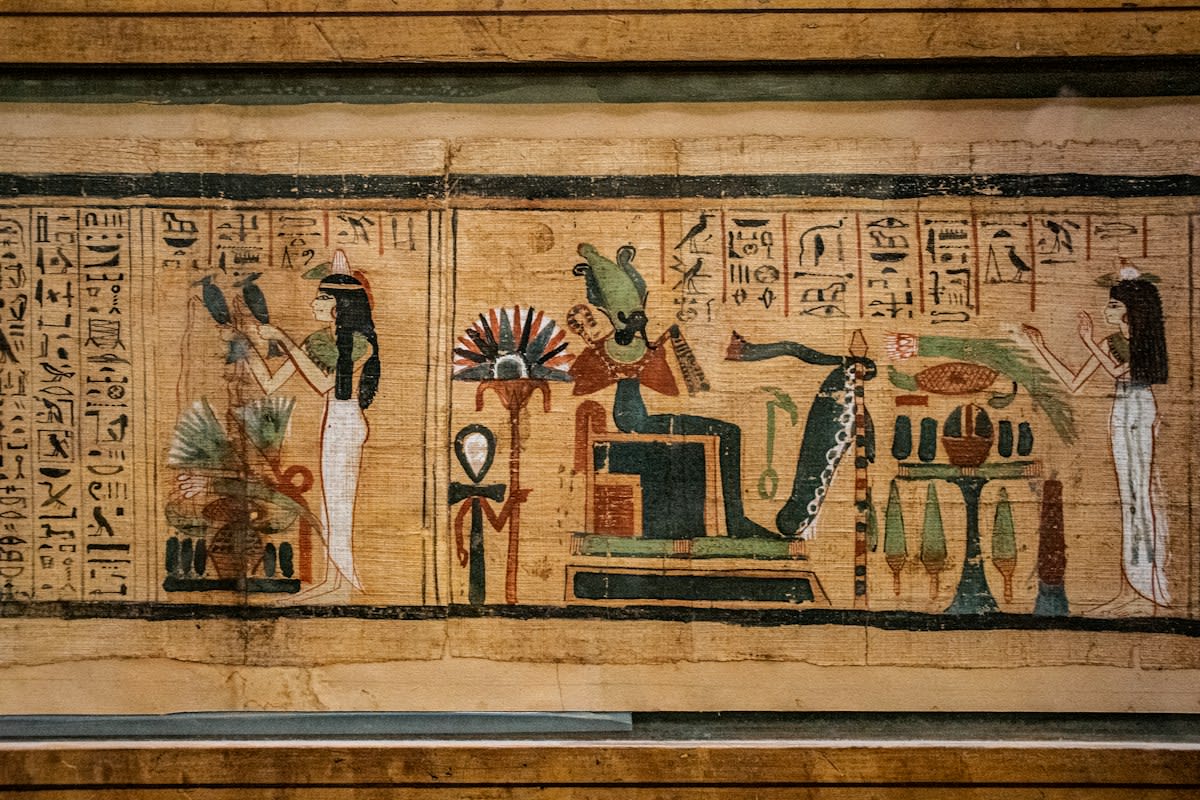
Context is weight. An artifact found in a controlled excavation carries a premium that an 'orphan' piece can never match. The data provided by the site adds value. For instance, textile fragments from the Han Dynasty in China command higher prices when the exact tomb location is known (Source: Sotheby's, 2021). This transparency reduces the risk for the buyer.
Common Pitfalls in Textile Trading
Over-cleaning kills. Many novice sellers attempt to remove stains or dust using modern chemicals that dissolve ancient proteins and synthetic dyes. This destroys the value. The result is a sterile piece of cloth that loses its historical signature. Always use a vacuum with a micro-mesh screen.
Ignorance is expensive. Assuming that a piece is legal because it was bought at a small gallery in the 1980s is a dangerous gamble. Laws are retroactive in spirit. Many nations now demand the return of cultural property regardless of the good faith of the buyer. This leads to total capital loss.
Fact-Check & Accuracy Note
The primary debate in ancient textile monetization centers on the 'Orphan Artifact' dilemma. Some scholars argue that if a piece has been in a private collection for 100 years, it should be exempt from modern repatriation claims to encourage its public display. Others insist that any object removed without a permit is stolen property, regardless of the time elapsed. This disagreement creates a volatile pricing environment for pieces with 'fuzzy' provenance.
Trade requires patience. The window for selling high-value textiles is narrow, often coinciding with major antiquities fairs in New York or London. Timing the sale is critical. A rush to liquidate often signals desperation, which allows buyers to drive the price down. Wait for the right collector.