Is Xi Jinping more Trumpian than we think?
Source Entity
Pratap Bhanu Mehta
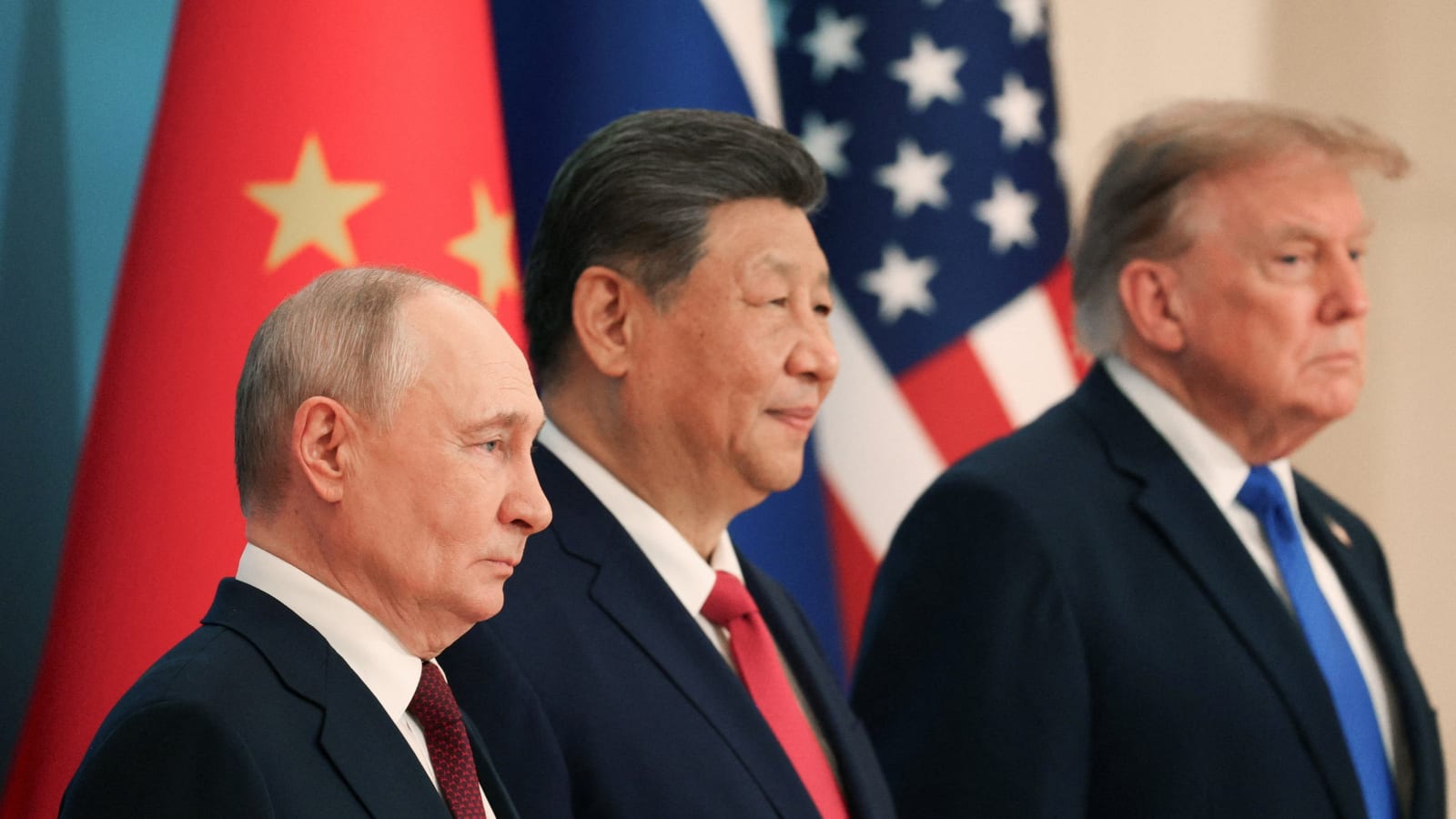
The Shenzhen Trilateral summit highlights a striking convergence in the political styles of global superpowers, particularly between the US and China. Despite systemic differences, leaders are increasingly prioritizing personalistic diplomacy and status-conscious signaling.
The Shenzhen Trilateral: A New Era of Superpower Diplomacy
The recently concluded Shenzhen Trilateral meeting involving the United States, China, and Russia has sparked significant debate regarding the nature of modern geopolitical engagement. While initial expectations may have suggested a historic 'Yalta 2.0' moment or the formation of a 'G2' power structure, the reality of the summit was far more nuanced. Rather than formalizing a new world order, the event served as a mirror for the evolving political theater of the world's most powerful nations.
Convergence of Political Styles
At the heart of this analysis is the observable convergence in political style between the United States and China. Despite diametrically opposed political and economic systems, the summit exposed a shared tendency toward theater and personality-driven rhetoric. This shift suggests that the mechanisms of international relations are increasingly being shaped by the individual temperaments of leaders rather than traditional institutional diplomacy.
The Psychology of Status and Recognition
Central to this shift is the psychological profile of the leaders involved. The Shenzhen Trilateral was defined by the presence of status-conscious figures who prioritize external recognition. This obsession with prestige dictates how these leaders approach the negotiating table, often favoring grand gestures and public optics over the quiet, incremental progress that characterized the post-Cold War era.
Diplomacy as Personal Performance
When examining the leadership styles at play, particularly the comparison between Donald Trump and Xi Jinping, it becomes clear that diplomacy has become a form of personal performance. Donald Trump’s well-documented penchant for viewing international relations through the lens of personal flattery finds a strange, if distinct, parallel in the way other global leaders manage their domestic and international images. This trend underscores a move away from ideology-based statecraft toward a more transactional, ego-centric model of engagement.
Broader Implications for Global Stability
This convergence presents a complex future for global stability. When the world’s most powerful nations operate on a framework of spectacle and personal status, the predictability of international agreements decreases. As these leaders focus on their own perceived standing, the risk of miscalculation increases, as the 'personal' nature of these political styles leaves little room for the institutional cooling-off periods that historically managed superpower tensions.
Conclusion: The Future of the Great Power Game
The Shenzhen Trilateral marks a departure from historical norms, signaling that the 'Great Power' game is being rewritten. Future trends will likely see this trend of personalistic political style continue, as leaders leverage the spectacle of summits to bolster their internal narratives. Analysts must now account for these psychological dimensions as much as traditional economic or military metrics to understand the trajectory of the 21st-century global order.