Congress tries targeting CEC Gyanesh Kumar, but senior leader is pictured with him at Bhopal wedding
Source Entity
Anand Mohan J
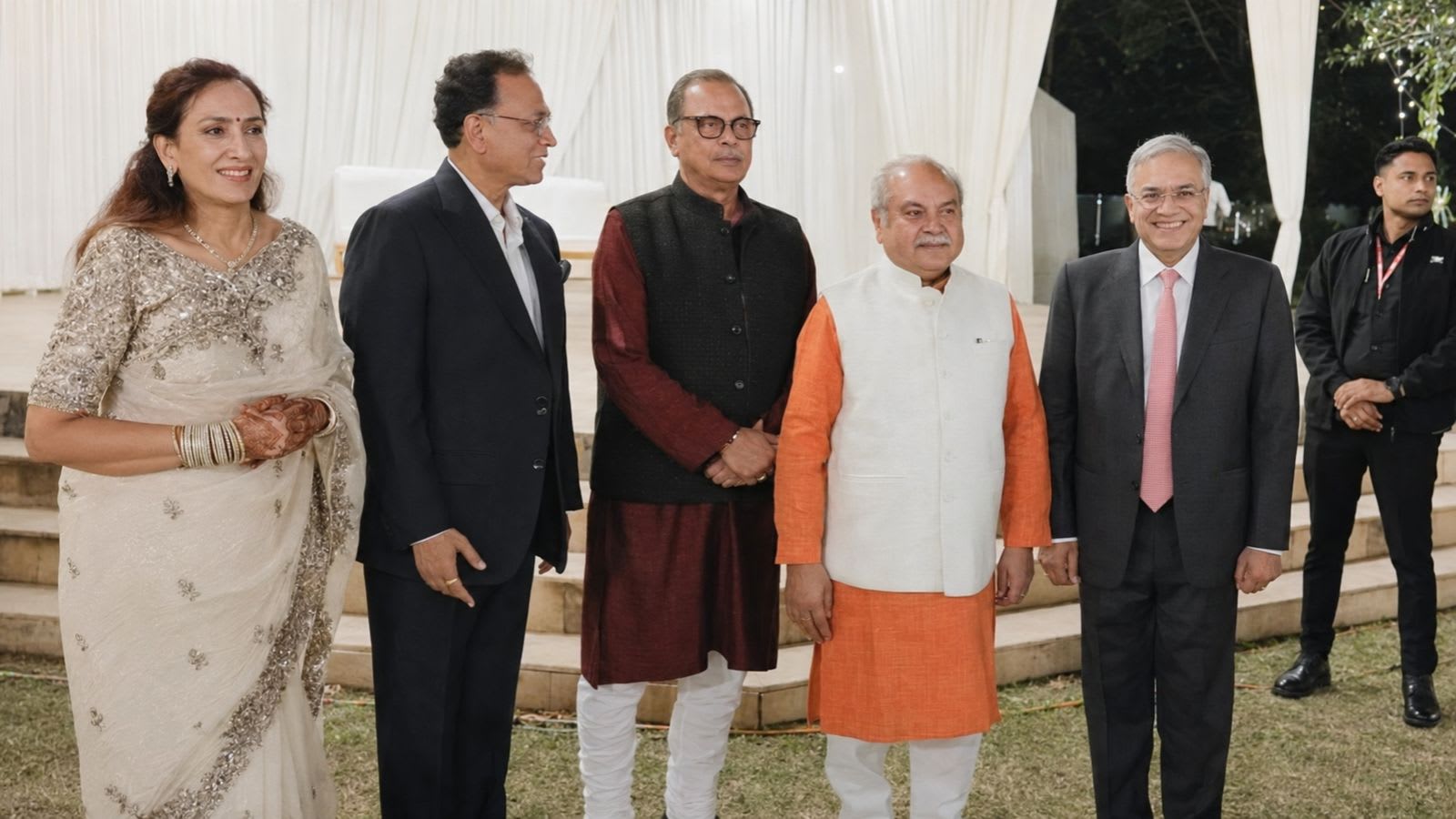
The Congress party faced embarrassment in Madhya Pradesh after a senior leader was photographed with CEC Gyanesh Kumar despite the party's ongoing criticism of his office. This incident highlighted internal communication gaps and undermined their planned protest against the Election Commission.
Political Friction and the Optics of Engagement
The recent incident in Madhya Pradesh involving the Indian National Congress and Chief Election Commissioner (CEC) Gyanesh Kumar serves as a poignant case study in the complexities of political optics. The Congress party has maintained a consistent narrative of skepticism regarding the Election Commission’s role in safeguarding electoral integrity. However, this stance was starkly contradicted when a photograph emerged showing senior Congress leader Ajay Singh in a cordial setting with CEC Kumar at a private wedding reception in Bhopal.
The Impact of Internal Misalignment
The situation became particularly problematic for the state Congress unit, which simultaneously organized a protest against the CEC, alleging failures in his duties. The tactical failure was underscored by the fact that party workers arrived at the hotel where Kumar was believed to be staying, only to find he had already departed. This disconnect suggests a significant breakdown in communication within the party hierarchy, as the image shared by Ajay Singh on social media effectively neutralized the political impact of the protest.
Challenges to Party Credibility
When political organizations adopt a confrontational stance toward constitutional bodies, consistency is paramount. By publicly critiquing the neutrality of the Election Commission while simultaneously maintaining social proximity to its leadership, the Congress party has inadvertently provided fodder for political opponents. The inclusion of BJP leader and state assembly speaker Narendra Singh Tomar in the same photograph further complicates the narrative, as it frames the event as a cross-party social interaction that contradicts the party's official, hostile messaging.
Examining the Role of Social Media in Modern Politics
This episode highlights the double-edged sword of social media in contemporary Indian politics. Ajay Singh’s decision to post the photograph served as a public record that directly undermined the state unit's protest efforts. In an era where every digital footprint is scrutinized, the lack of coordination between senior leadership and local activists has turned a routine social appearance into a public relations crisis, forcing the party to clarify its position on the CEC.
Broader Implications for Electoral Discourse
The tension between political parties and the Election Commission remains a sensitive aspect of India's democratic framework. Frequent accusations regarding electoral rolls and procedural fairness are common tools of political mobilization. However, when these accusations are juxtaposed with evidence of informal camaraderie, the public’s perception of the sincerity of these claims is often diminished. This incident underscores the necessity for political parties to maintain a coherent strategy that reconciles their public advocacy with the private actions of their leadership.
Conclusion
Ultimately, the Bhopal incident functions as a cautionary tale regarding the importance of internal party cohesion. The Congress party’s attempt to challenge the CEC was rendered ineffective by the very optics they failed to manage. Moving forward, the party will likely need to ensure that its public protests and private engagements are better aligned to avoid similar contradictions that weaken their credibility in the eyes of the electorate.