
The Capital Incentive for Displacement
Capital is migrating. The deployment of AI workforce platforms in East Africa represents a calculated move to excise human error from the ledger. Factorial recently secured $150 million in Series D funding to accelerate this trajectory. Their valuation now sits at $2.5 billion. This capital infusion targets the replacement of traditional HR and payroll functions with agentic AI systems. Efficiency is the only metric that survives the boardroom.
Local constraints differ. A brownout in Kinshasa disrupts physical flow, whereas a firmware bug in Taipei halts a precision line. Nairobi sits at a crossroads of these failures. The drive for resilience mentioned in the 37th State of Logistics report is often a euphemism for removing the human element. Reliability is bought through automation, not training.
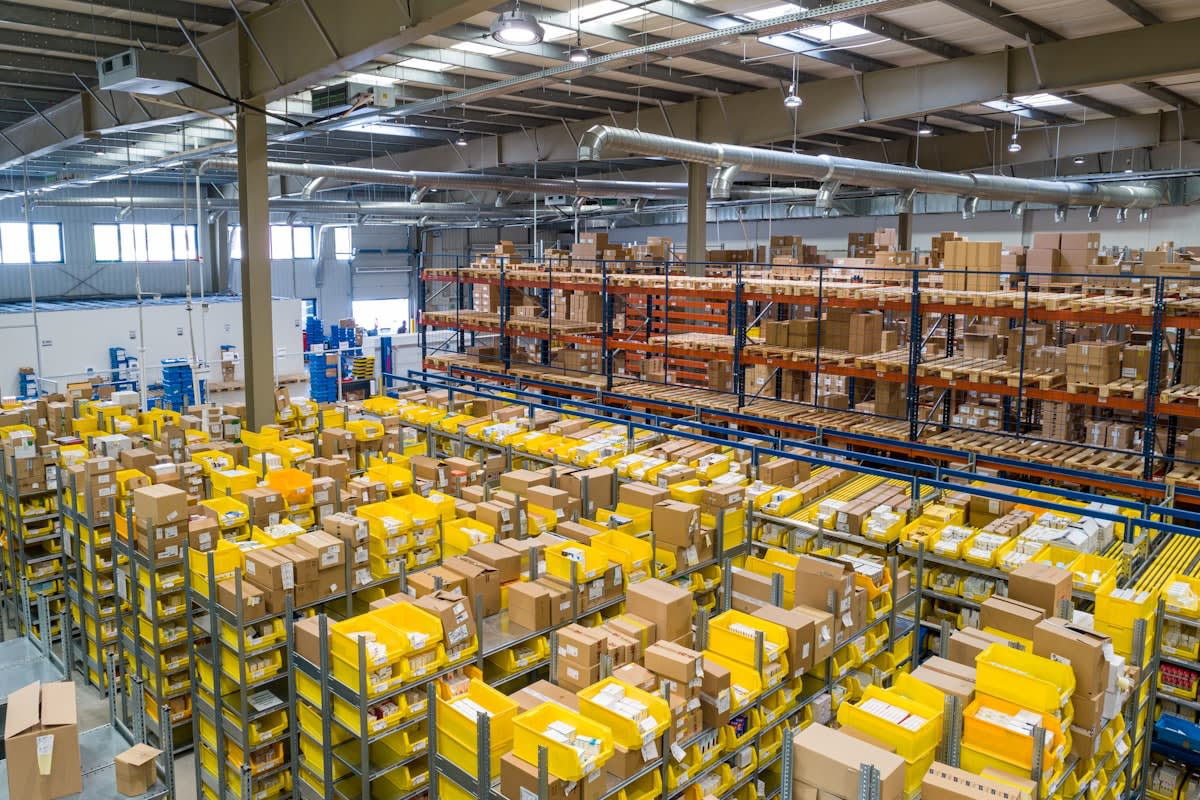
The Global Precedent of Labor Erasure
South Korea provides the blueprint. Unstaffed coffee shops and flower outlets are proliferating as owners escape rising labor costs. Robot arms like Baris from XYZ Robotics handle orders to replace human baristas. This model relies on a specific social contract of honesty and rule-following. Nairobi is seeing a similar logic applied to the warehouse floor. Entry-level roles are not being upgraded; they are being deleted.
Predictions are grim. Goldman Sachs economist Joseph Briggs warns that AI will displace 9% of the U.S. workforce, roughly 15 million jobs. While the U.S. has a different labor density, the logic of cost-cutting is universal. Robotic welding equipment demand is projected to expand at a compound annual rate of 9-12% between 2026 and 2035. Structural labor shortages in the West are accelerating the export of this automation to emerging markets. The displacement is not a side effect but the primary objective.
| Market Metric | Current State/Rate | 2035 Projection/Impact |
|---|---|---|
| African Payroll Software Market | $487.3 million (2026) | $1.66 billion |
| Robotic Welding Demand | 9-12% CAGR | High Industrial Adoption |
| US Workforce Displacement | Immediate Impact | 9% (15 million jobs) |
| African SME Digital HR Adoption | 60% in major cities | Universal Integration |
Data is the fuel. Agentic AI serves as the engine for end-to-end supply chain execution, according to Inbound Logistics. These tools monitor inbound ETAs against appointments to remove human scheduling errors. Inventory reallocation becomes an automated process. No one is left to manage the manual spreadsheets. The role of the entry-level coordinator is now a line of code.
The Agentic Engine
Agentic AI differs from standard automation by proposing new ties and reallocating inventory autonomously when high-pressure inbounds are at risk, removing the need for human intervention in crisis management.
Structural Failures in the Human Ledger
Human labor is viewed as a liability. Medium-sized enterprises in Africa's major cities have already adopted digital HR tools at a rate of 60%. This creates a digital trail that makes it easier to identify and remove redundant human positions. Factorial's repositioning toward an AI workforce operations platform accelerates this pruning. Their Factorial One system uses a two-agent system to manage operations. The human manager is reduced to a spectator.
"If we look back over the last 80 years, around 85% of job growth has been driven by the technological creation of new positions."— Joseph Briggs, Goldman Sachs Economist
Optimism is a luxury. While new positions may be created, they require a level of technical literacy that the displaced entry-level worker does not possess. The gap between a warehouse loader and an AI system auditor is an unbridgeable chasm. Most displaced workers will not transition into high-tech roles. They will simply exit the formal logistics economy. This is the hidden cost of digital intelligence.
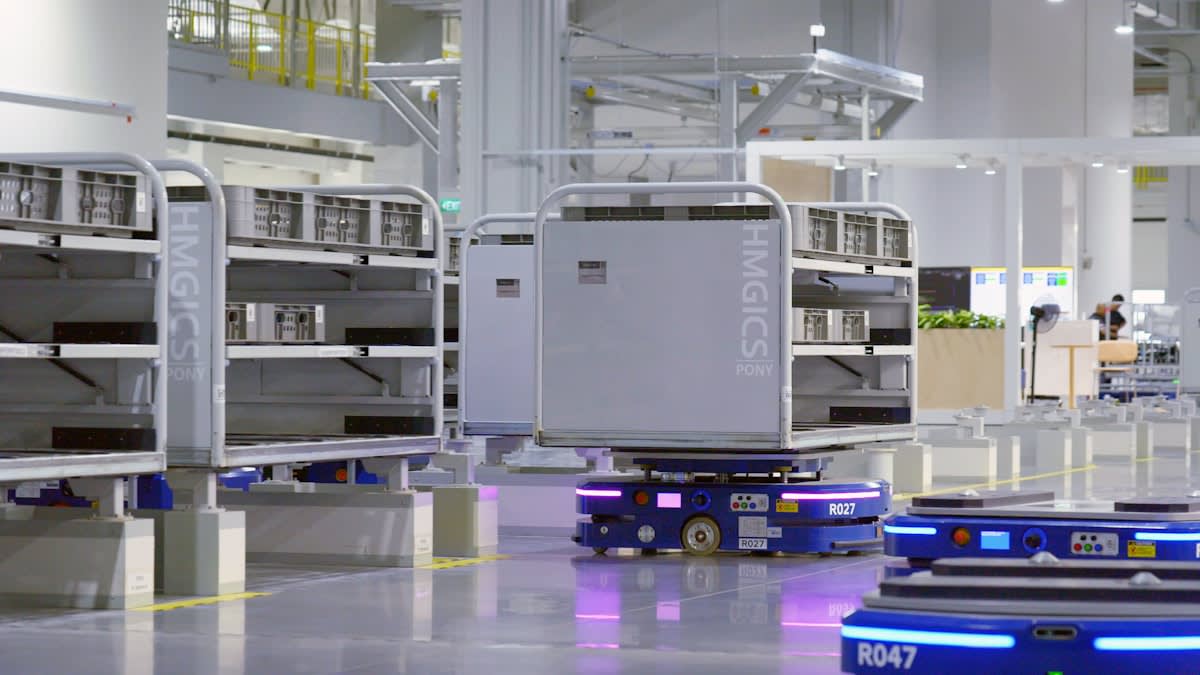
The Calculation of Obsolescence
Volatility is the new constant. The 37th State of Logistics report identifies geopolitical conflicts and energy challenges as permanent features of the supply chain. Companies respond by building resilience through software. Digital intelligence is now a defining competitive advantage. This advantage is achieved by stripping away the variability of human behavior. A robot does not strike for better wages. An AI agent does not suffer from fatigue during a midnight shipment.
Costs are shifted, not eliminated. The expense of human payroll is replaced by the cost of software licenses and hardware maintenance. This transition favors the owners of the capital over the providers of the labor. Nairobi is becoming a testing ground for this lean operational model. The erasure of the bottom rung is a feature, not a bug. The system is working exactly as intended.
Failure is expensive. When a human makes a mistake in a Nairobi warehouse, the cost is a misrouted pallet. When an autonomous system fails, the cost is a total operational standstill. Yet, the industry accepts this risk because the upside of labor removal is too great to ignore. They are betting on the stability of the code over the reliability of the person. It is a cold, calculated gamble.