We spent the last century obsessed with the flow of liquid carbon. Geopolitics was a map of pipelines, straits, and oil fields, where power belonged to those who could turn the valve. But the valve has changed. The new levers of global influence are not found in the depths of the Persian Gulf, but in the complex chemical compositions of the Earth's crust. Rare earth elements—the seventeen minerals that power everything from precision-guided missiles to the magnets in electric vehicle motors—have become the new currency of sovereign autonomy.
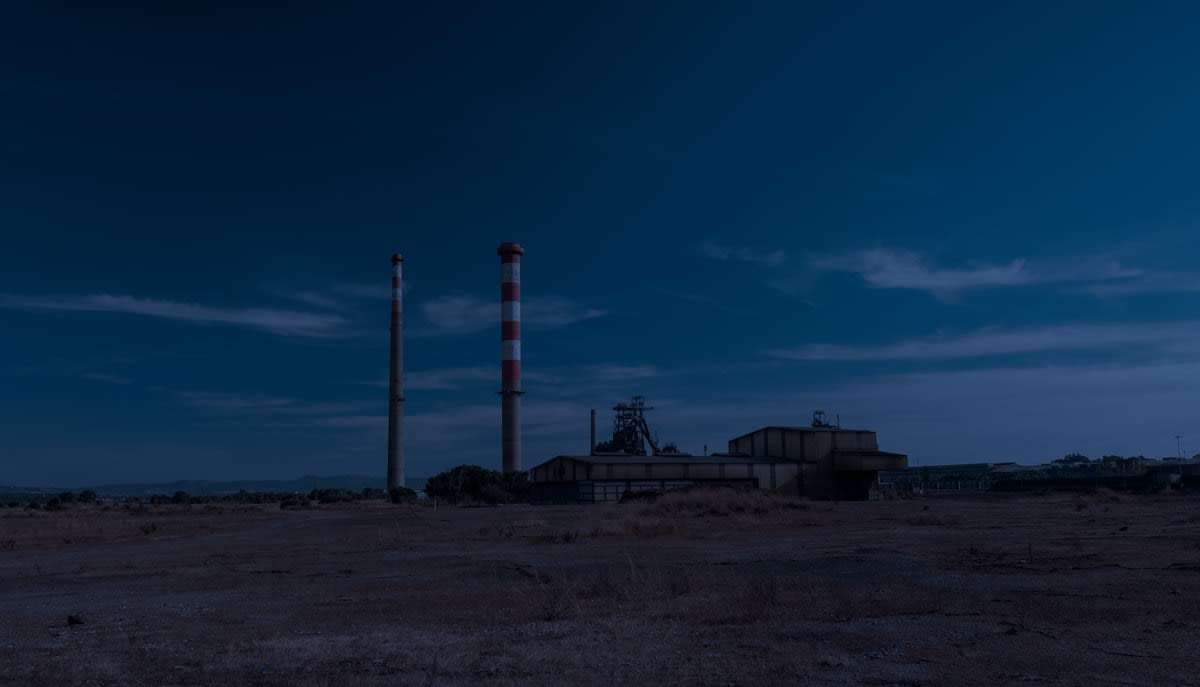
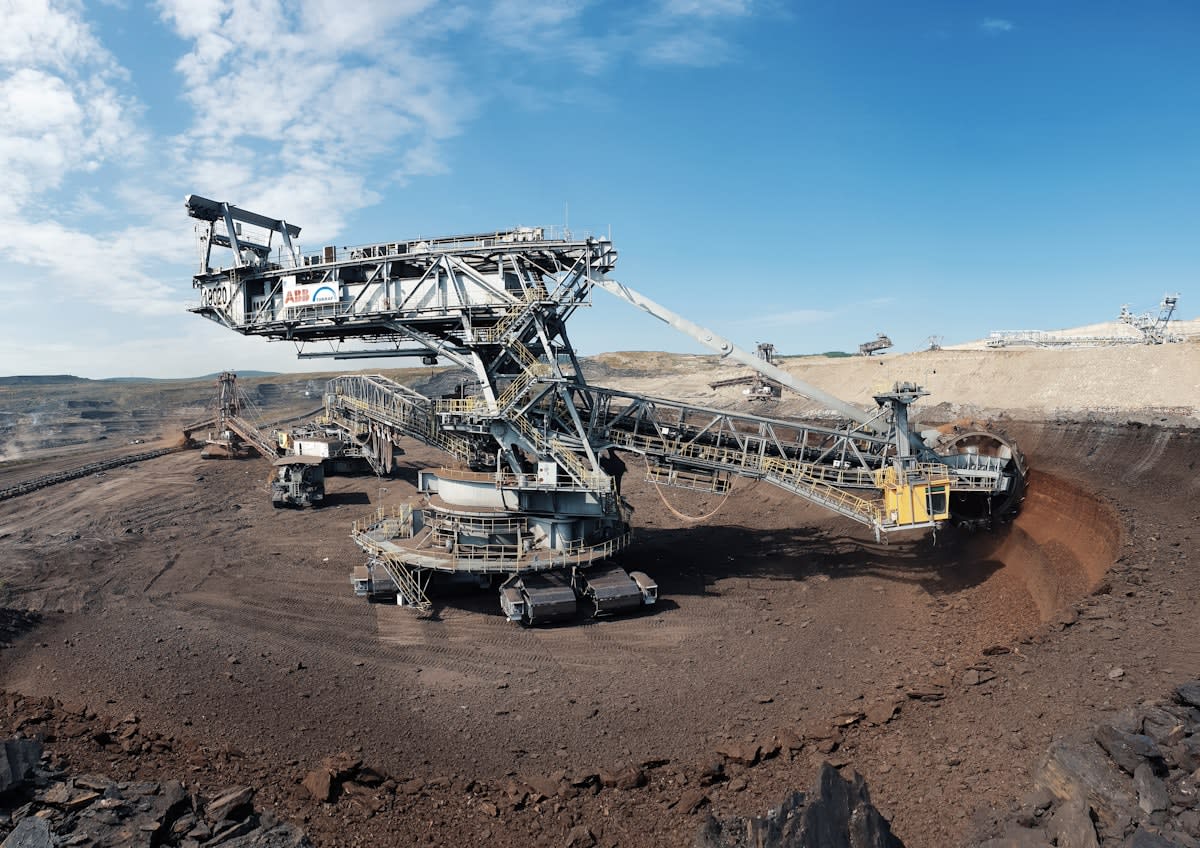
Why do we continue to focus on where these minerals are mined? Mining is the easy part. The real moat, the true strategic advantage, lies in the processing. Extracting neodymium or dysprosium from the ground is a brute-force exercise in geology, but separating them into high-purity oxides is a sophisticated dance of chemistry and industrial scale. The nations that dominate the refining process hold a chokehold on the global supply chain that no amount of raw ore can easily break.
The Processing Paradox
For decades, the West outsourced the dirty work of rare earth processing to the lowest bidder. It was a logical economic move based on cost-efficiency and environmental externalities. However, this efficiency created a systemic fragility. When a single region controls over 80% of the global refining capacity, the market is no longer governed by supply and demand, but by political will. We are now witnessing a frantic, expensive attempt to rebuild these industrial capabilities from scratch.
This is not merely a trade dispute; it is a race for industrial sovereignty. If a nation cannot refine its own minerals, it is essentially renting its technological future from a foreign power. The shift toward 'friend-shoring'—building supply chains within allied blocs—is a direct response to this realization. It is an admission that the era of hyper-globalization, where cost was the only metric, has been replaced by an era of resilience, where security is the primary KPI.
"The transition to green energy is a material-intensive transition. He who controls the materials controls the pace of the transition."— Strategic Industrial Analysis
Is the goal really to eliminate dependency, or simply to switch the source of that dependency? Many nations are rushing to sign bilateral agreements with mining hubs in Africa, Southeast Asia, and South America. While this diversifies the raw material source, the processing bottleneck remains. Until the mid-stream infrastructure—the refineries and separation plants—is decentralized, the global map of power remains skewed toward the existing incumbents.
The Stockpiling Shift
The shift from 'Just-in-Time' to 'Just-in-Case' logistics is driving a massive surge in strategic stockpiling of heavy rare earths, which are critical for high-temperature magnets used in defense systems.
This structural realignment is redrawing the map of the Global South. Countries like Brazil, Vietnam, and Namibia are no longer just exporters of raw commodities; they are becoming strategic partners in a high-stakes game of mineral diplomacy. These nations are beginning to demand more than just royalties. They are pushing for technology transfers and local processing requirements, effectively forcing the developed world to share the industrial secrets of refining.
| Feature | Oil-Era Diplomacy | Mineral-Era Diplomacy |
|---|---|---|
| Primary Asset | Hydrocarbon Reserves | Refining & Processing Capacity |
| Control Mechanism | Cartels (e.g., OPEC) | Industrial Monopolies & Patents |
| Strategic Goal | Energy Price Stability | Technological Sovereignty |
| Risk Factor | Supply Shocks/Embargoes | Processing Bottlenecks/ESG Compliance |
| Key Geography | Middle East/Russia | East Asia/Australia/Global South |
The economic implications are staggering. We are seeing the birth of a new kind of 'Resource Nationalism.' Instead of simply raising taxes on exports, governments are banning the export of raw ores entirely. By forcing companies to build refineries within their borders, these nations are attempting to leapfrog from the bottom of the value chain to the middle. This is a calculated gamble to turn geological luck into long-term industrial power.
Can the market adapt fast enough to avoid a systemic crash? The demand for neodymium and praseodymium is projected to skyrocket as the world pivots to electric propulsion. If the capacity to process these minerals does not expand at a matching pace, we will see a 'green inflation' where the cost of the transition becomes prohibitively expensive for developing nations, potentially stalling the global climate agenda.

The Contrarian View: The Obsolescence Risk
While the world races to secure these minerals, there is a hidden risk: the danger of the 'stranded asset.' Innovation has a habit of making the scarce irrelevant. We are already seeing the development of magnet-free motors and synthetic alternatives to heavy rare earths. If a breakthrough in material science allows us to bypass dysprosium entirely, the billions currently being spent on securing these mines will become a sunk cost in a dead technology.
This creates a fascinating tension between strategic security and technological agility. Governments are investing in the minerals of today, while the smartest engineers are designing the products of tomorrow to avoid those very minerals. The real winner of the mineral race may not be the one with the biggest mine, but the one who develops the most efficient way to live without them.
Furthermore, the environmental cost of rare earth processing is a ticking time bomb. The toxic byproducts of separation—including radioactive thorium—make these plants political liabilities in democratic societies. The 'not in my backyard' sentiment is a significant barrier to the West's goal of diversifying supply. This creates a paradoxical situation where the desire for strategic independence clashes with the demand for environmental purity.
- Shift from raw material extraction to high-purity chemical refining.
- Rise of the Global South as strategic processing hubs rather than just ore providers.
- Transition from cost-optimized global supply chains to security-optimized regional blocs.
- The looming threat of material substitution rendering current strategic reserves obsolete.
Ultimately, the race for rare earths is a mirror reflecting the broader shift in global power. It is no longer about who owns the land, but who owns the process. The map is being redrawn not by borders, but by the ability to manipulate matter at the atomic level. In this new era, the most valuable asset is not the mineral itself, but the intellectual and industrial capacity to make that mineral useful.