The Great Pivot to Industrial Sovereignty
The old playbook is gone. For decades, the global trade architecture operated on a simple, brutal logic: the Global North extracted, the Global South shipped, and the value was added in the factories of the few. This arrangement served the efficiency of the market, but it ignored the strategic desperation of the producer. Now, the energy transition has turned basic geology into high-stakes diplomacy. Mid-sized nations—those with significant deposits but limited industrial scale—have realized that their leverage peaks not at the point of extraction, but at the point of refinement.
Why now? Because the world has pivoted from a fuel-intensive energy system to a material-intensive one. When the primary driver of global power shifts from oil to minerals like lithium, cobalt, and nickel, the map of geopolitical influence is redrawn. We are seeing the emergence of 'Resource Nationalism 2.0.' Unlike the 1970s, where the goal was simply to raise prices, today's mid-sized powers are weaponizing their minerals to force the transfer of technology and the construction of domestic factories. They aren't asking for a bigger slice of the pie; they are demanding the oven.
"The era of the extract-and-export model is dead. We are entering an age of mineral diplomacy where the resource is no longer a commodity, but a leverage point for forced industrialization."— Analysis based on the International Energy Agency's (IEA) 2023 Critical Minerals Market Review
This shift is not a localized trend. From the salt flats of the Andes to the jungles of Southeast Asia, the narrative is identical. These nations are leveraging the West's urgent need for 'green' minerals to rewrite contracts that were signed under different geopolitical assumptions. They recognize that the urgency of the climate crisis has created a buyer's panic, and in any market, panic is the ultimate tool for the seller.
The Nickel Blueprint: Forced Downstreaming
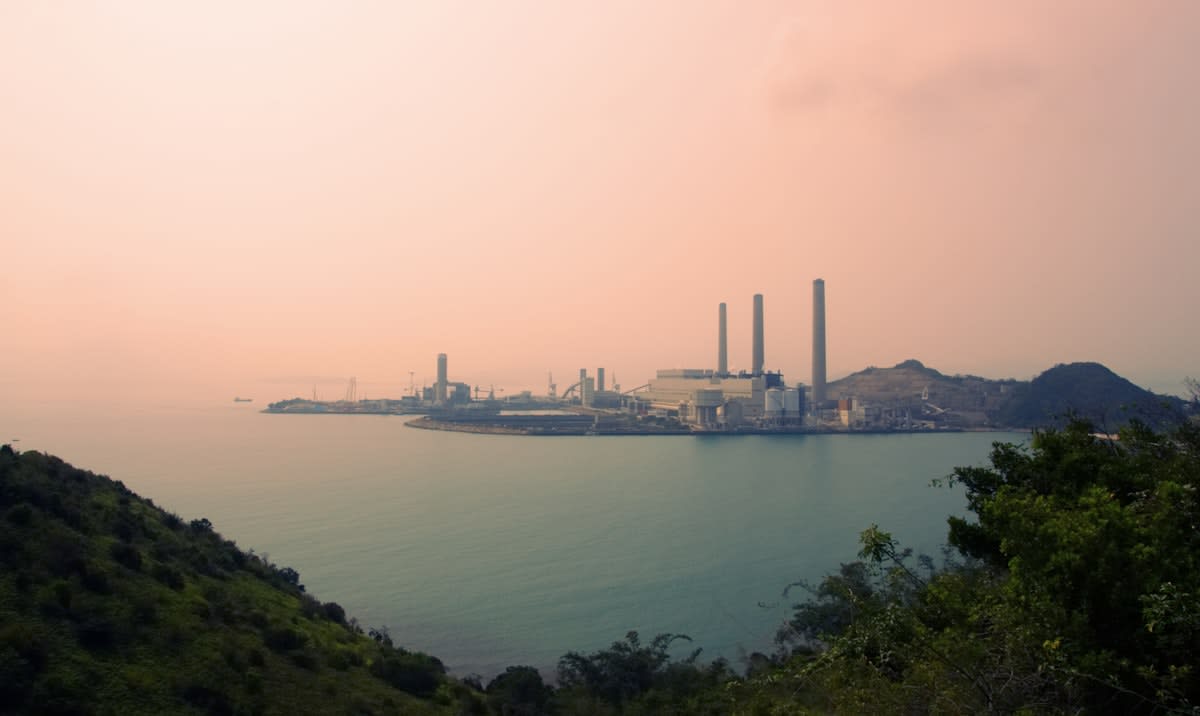
Indonesia provides the most aggressive case study in this new era. By implementing a strict ban on the export of raw nickel ore, Jakarta essentially held the global stainless steel and battery industries hostage. The goal was simple: stop exporting dirt and start exporting batteries. This is 'downstreaming' in its most raw form. Instead of letting the value-add happen in China or Korea, Indonesia mandated that any company wanting access to its massive reserves must build refineries and precursor plants on Indonesian soil.
| Nation | Key Mineral | Primary Strategy | Strategic Objective |
|---|---|---|---|
| Indonesia | Nickel | Export Bans | Domestic Battery Ecosystem |
| Chile | Lithium | State-Led Partnerships | Value-Added Chemical Production |
| DRC | Cobalt | Contract Renegotiation | Refined Cobalt Export Hub |
| Brazil | Rare Earths | Strategic Reserves | Localized Magnet Manufacturing |
The results are staggering. Indonesia holds roughly 21% of global nickel reserves (Source: US Geological Survey, 2023), and by controlling the tap, they have successfully attracted billions in foreign direct investment. This isn't just about money; it's about the institutionalization of knowledge. When a company builds a refinery in-country, they leave behind engineers, managers, and a technical ecosystem that cannot be easily extracted once the contract expires.
In the field, this looks like a constant tug-of-war between legal departments and sovereign decrees. I have spent years watching the friction in these boardrooms. The debate among practitioners isn't about whether these export bans are legal under World Trade Organization (WTO) rules—it's about whether the WTO still has the teeth to matter when a nation controls 50% of a critical input. The reality on the ground is that companies are choosing to comply with 'illegal' bans because the alternative is total exclusion from the resource.
Lithium and the Myth of the Open Market
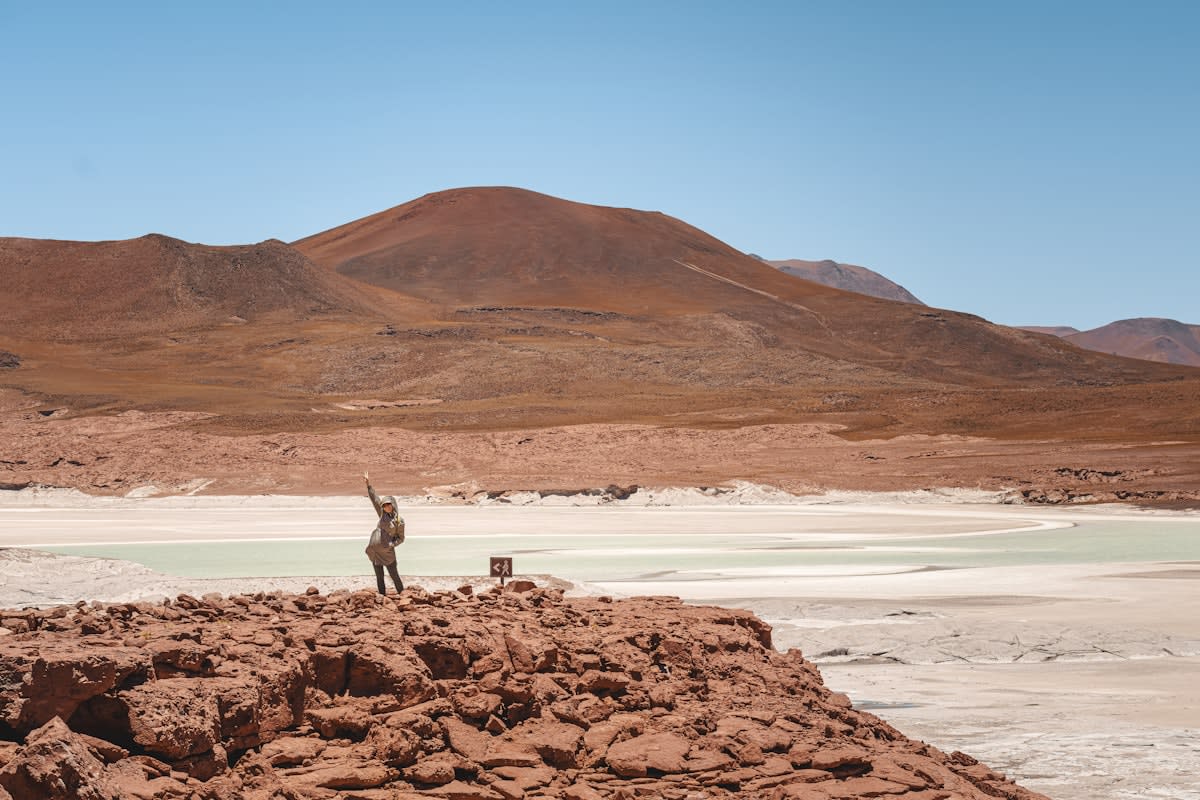
Chile and Bolivia are playing a different, but equally potent, game. The 'Lithium Triangle' contains the majority of the world's known reserves, and the move toward state-led control is accelerating. Chile's recent push for a National Lithium Strategy emphasizes public-private partnerships where the state maintains a majority stake. This is a calculated move to avoid the 'resource curse'—the historical tendency for mineral wealth to fuel corruption rather than development.
The market's reaction has been volatile. Lithium demand is projected to grow exponentially as EV adoption scales, with some estimates suggesting a six-fold increase by 2040 (Source: IEA, 2024). Mid-sized nations know that the West is terrified of a 'lithium gap.' By coordinating their strategies, these nations are effectively creating a de facto cartel, even if they lack the formal treaty structure of OPEC.
Does this jeopardize the green transition? Perhaps. But from the perspective of the producer, the transition cannot be built on the back of another century of exploitation. They are gambling that the world's desire for carbon neutrality is stronger than its desire for cheap minerals. It is a high-stakes bet on the necessity of their own geology.
The Failure of Friend-Shoring
In response, G7 nations have championed 'friend-shoring'—the idea of building supply chains only within politically aligned countries. But this is a strategic fantasy. Geology does not care about political alignment. You cannot 'friend-shore' cobalt when 70% of the global supply originates in the Democratic Republic of Congo (Source: World Bank, 2023). The DRC is already leveraging this reality, renegotiating contracts to ensure more value stays within its borders.
The friction arises when Western companies attempt to impose ESG (Environmental, Social, and Governance) standards as a condition for investment. While these standards are necessary, mid-sized nations increasingly view them as a form of 'green colonialism'—a way for the West to dictate the terms of production while continuing to consume the end product. The result is a growing openness to alternative partners who prioritize infrastructure and industrialization over auditing.
This creates a fragmented global trade map. We are moving away from a single global market toward a series of bilateral, strategic silos. In this new world, the most successful companies will not be those with the best procurement algorithms, but those with the best diplomatic ties to the ministries of mines in Jakarta, Santiago, and Kinshasa.
Adaptation and the New Equilibrium
The path forward is not through conflict, but through a new equilibrium of mutual dependence. The most resilient firms are already shifting their strategy from 'sourcing' to 'partnership.' This means investing in the host country's education system, building power grids that serve both the mine and the local community, and accepting that the era of the ultra-cheap raw material is over.
We are witnessing the birth of a more balanced, albeit more complex, global economy. The weaponization of minerals is a corrective mechanism. By forcing the industrialization of the Global South, these nations are creating new markets for the very products they are helping to build. The 'Resource Cartels' are not just seeking profit; they are seeking a seat at the table of the modern industrial world.
Fact-Check & Accuracy Note
Key claims regarding nickel reserve percentages are sourced from the US Geological Survey (2023), and lithium demand projections are attributed to the IEA (2024). The cobalt concentration data is sourced from the World Bank (2023). There remains an ongoing debate among economists regarding the long-term viability of export bans versus the risk of triggering synthetic substitutes that could render these minerals obsolete.
Editorial Note
This analysis takes a contrarian view, arguing that resource nationalism is a systemic correction toward industrial sovereignty rather than a disruptive crisis. It emphasizes the shift from price-fixing to value-chain capture.