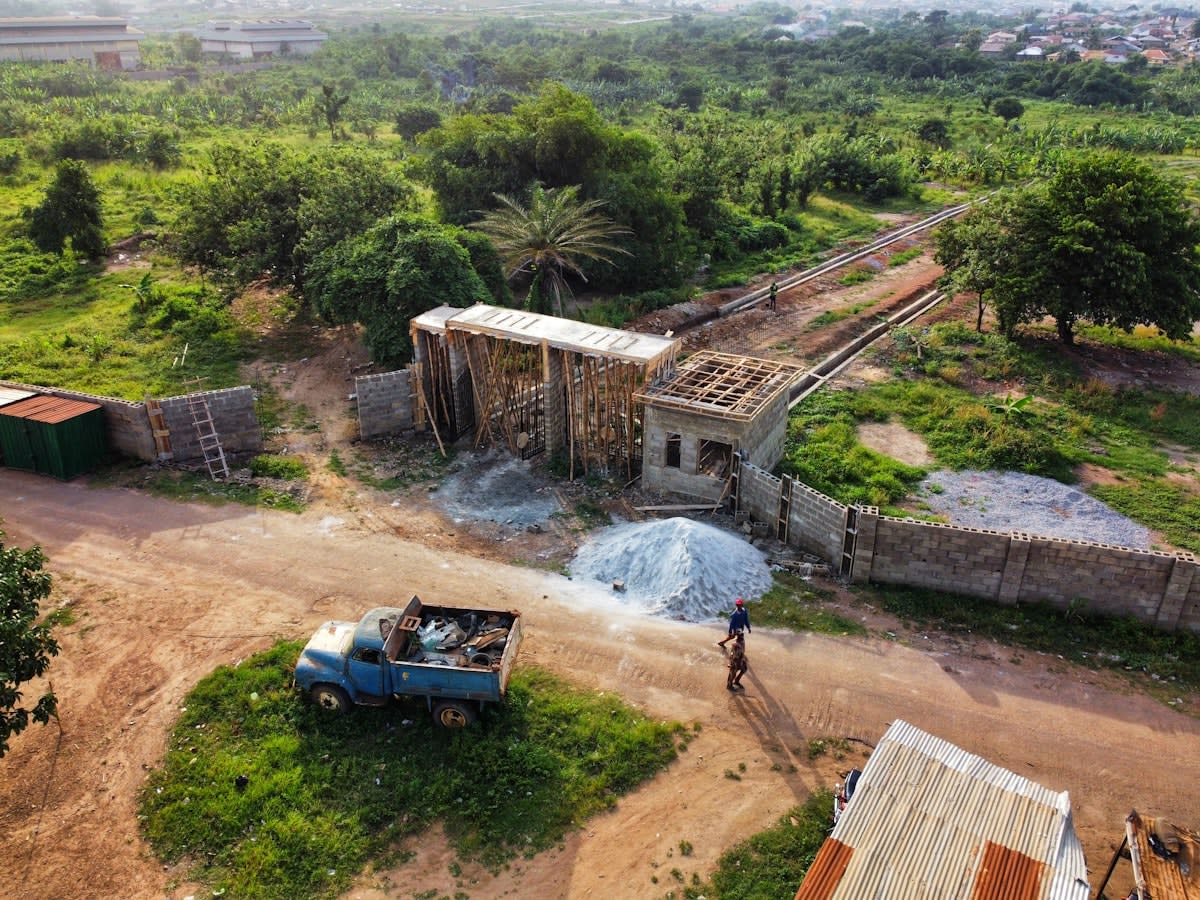
Nigeria found polymetallic deposits in Kaduna. This discovery includes platinum, lithium, and rare earth elements. Government officials claim it is a critical breakthrough for the national treasury. Such rhetoric often masks the structural dependence on raw material exports that has plagued the region for decades.
| Entity | Financial Commitment | Strategic Focus |
|---|---|---|
| Jiuling Lithium Mining Co. | $600 Million | Processing facility (Kaduna/Niger boundary) |
| Canmax Technologies | $200 Million | Lithium processing (Nasarawa State) |
| Federal Executive Council | $2.76 Billion / N215 Billion | Transport, Agriculture, and Power |
| Development Bank of Nigeria | €200 Million / $500 Million | MSME affordable financing |
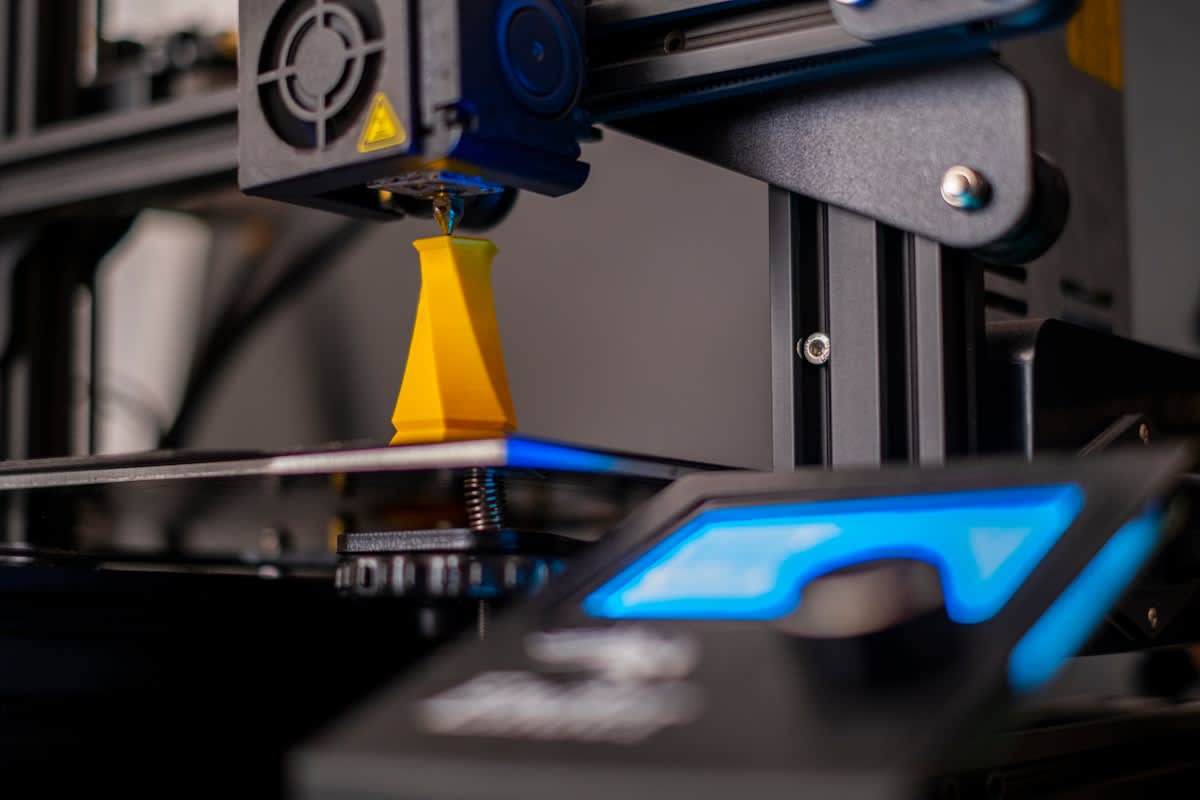
Lagos now hosts the Omnifactory. Arridex claims this additive manufacturing facility converts accumulated capability into infrastructure. Corporate branding labels it a first for West Africa. Real power resides in the joint venture with the Defence Industries Corporation of Nigeria, effectively linking 3D printing to the production of military-grade components.
The Processing Trap
The entry of Jiuling and Canmax indicates that while the minerals are Nigerian, the industrial processing capacity is being imported. This creates a dependency on foreign technical standards and capital, mirroring the very oil dynamics the state claims to be escaping.
Spokane burns trash for electricity. America produces 292 million tons of waste annually. This incinerator process converts garbage into power to solve a disposal crisis. Meanwhile, Nigeria attempts to manufacture its way out of oil reliance. One nation manages the end of the consumption cycle; the other fights for a seat at the start of the supply chain.
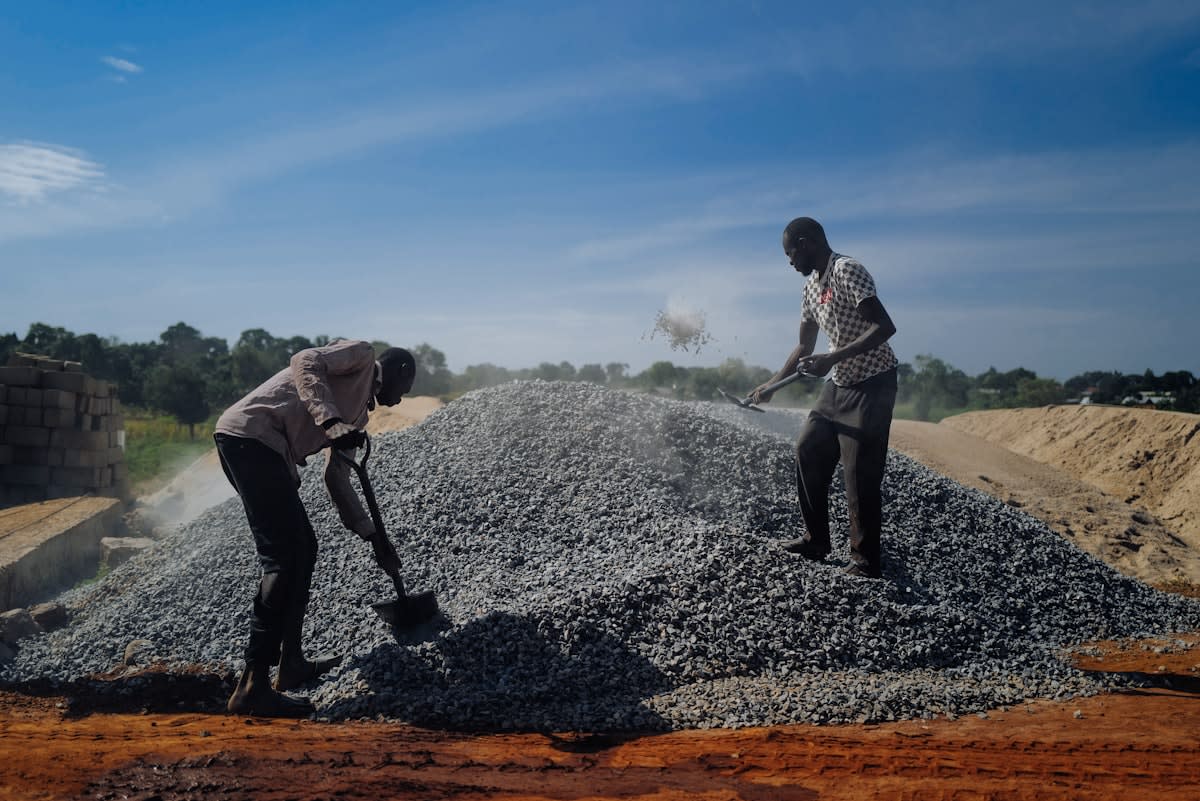
Billion-dollar packages rarely solve systemic rot. The Federal Executive Council approved financing for transport and power to support the Renewed Hope Agenda. This investment targets critical sectors to expand renewable energy access. Hope is a poor substitute for the operational transparency required to ensure these funds reach MSMEs rather than political conduits.
"The commissioning of the Omnifactory is the point at which two decades of accumulated capability become infrastructure."— Governor Babajide Sanwo-Olu
Global funding is becoming more surgical. Recent cycles show 109 opportunities across agriculture and energy. Blue economy initiatives have emerged as a distinct funding category. Precise targeting of conservation money suggests that international donors no longer trust broad-brush development grants.
Foreign capital remains the primary engine here. TELF AG notes that Nigeria's role in the energy transition depends on its ability to supply lithium and nickel. These minerals are the new oil. Success depends not on the discovery of the rocks, but on who owns the refineries and the patents.